
Bordeaux: Médoc & St-Emilion Wine 3 châteaux with lunch
Tour two mythical wine regions of Médoc and St-Emilion in Bordeaux. Taste wines at 3 wine estates and enjoy a picnic lunch in the garden of a beautiful chateau in St-Emilion.
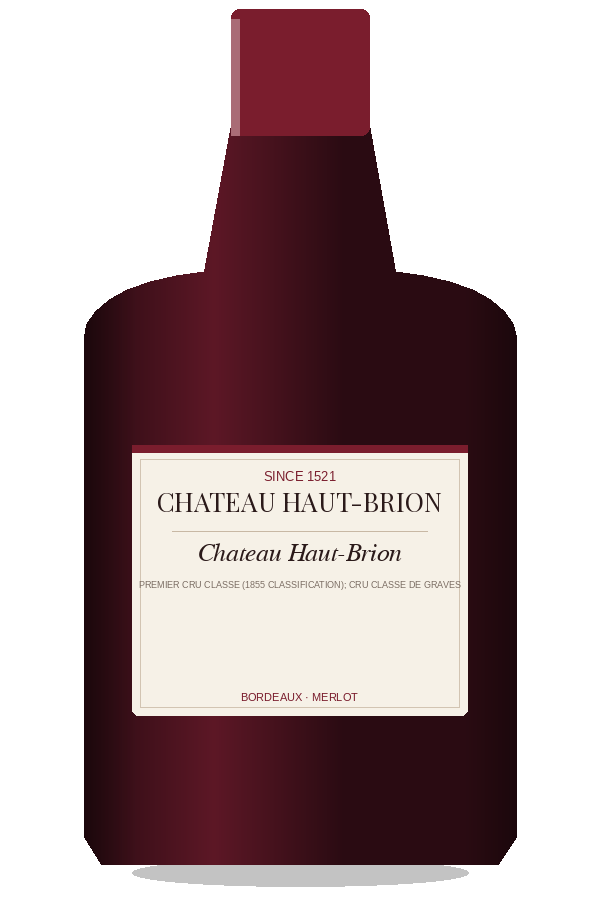 Deep garnet
Still Red · Premier Cru Classe (1855 classification); Cru Classe de Graves · Bordeaux
Merlot-led first-growth Pessac-Leognan red combining cassis and graphite with earthy tobacco and cedar. Velvety tannins and exceptional length set it apart from Medoc peers.
| Critic | Vintage | Score |
|---|---|---|
| Wine Advocate reviewed 2022 | 2019 | 98/100 |
| James Suckling reviewed 2020 | 2019 | 100/100 |
| Wine Advocate reviewed 2023 | 2020 | 97/100 |
Scores as published by each critic for the vintage shown.
Aroma: blackcurrant, graphite, tobacco, red plum, crushed stone
Palate: cassis, dark cherry, cedar pencil, scorched earth, licorice
Merlot-led first-growth Pessac-Leognan red combining cassis and graphite with earthy tobacco and cedar. Velvety tannins and exceptional length set it apart from Medoc peers.
Allow 95 minutes from open to pour.
Chateau Haut-Brion is the only first growth outside the Medoc, classified in 1855 alongside the four Pauillac estates. The property has been documented under that name since 1521 and was the first Bordeaux wine to be exported to England in the 17th century. Acquired in 1935 by American diplomat Clarence Dillon, it has been managed by the Dillon family ever since, with Jean-Philippe Delmas directing viticulture and winemaking since 2003.
On the nose, blackcurrant, graphite, tobacco, red plum, crushed stone. On the palate, cassis, dark cherry, cedar pencil, scorched earth, licorice. Structurally full-bodied, firm tannins, medium acidity with a very long finish. Merlot-led first-growth Pessac-Leognan red combining cassis and graphite with earthy tobacco and cedar. Velvety tannins and exceptional length set it apart from Medoc peers.
Drink 10-40 from vintage. Young vintages benefit from 30-90 minutes of decanting; mature bottles should be handled carefully for sediment.
Roasted Pauillac lamb with thyme jus is the canonical pairing. Other strong matches include Entrecote with bone marrow butter and Aged Comté or Mimolette. The earthy graphite and tobacco character of the wine echoes the herbal notes of thyme; firm tannins cut through the lamb fat.
The blend is Merlot (45%), Cabernet Sauvignon (44%), Cabernet Franc (10%), Petit Verdot (1%). The wine is classified as Premier Cru Classe (1855 classification); Cru Classe de Graves.
Tour two mythical wine regions of Médoc and St-Emilion in Bordeaux. Taste wines at 3 wine estates and enjoy a picnic lunch in the garden of a beautiful chateau in St-Emilion.

Discover the magnificent village of Saint-Emilion on a customized wine tour from Bordeaux. Enjoy an expert tasting in a grand cru château. Stop for photos to capture t...

Explore Bordeaux’s Left Bank on a private tour of the Médoc. Visit iconic wine estates, admire grand architecture, and enjoy sweeping vineyard views.