
Bordeaux: Médoc & St-Emilion Wine 3 châteaux with lunch
Tour two mythical wine regions of Médoc and St-Emilion in Bordeaux. Taste wines at 3 wine estates and enjoy a picnic lunch in the garden of a beautiful chateau in St-Emilion.
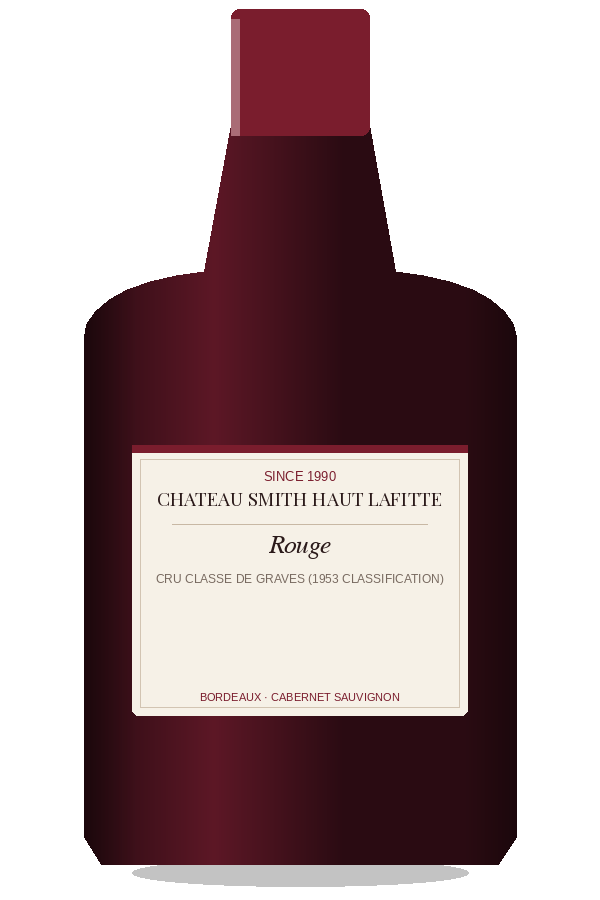 Deep garnet
Still Red · Cru Classe de Graves (1953 classification) · Bordeaux
Pessac-Leognan Cabernet, Cru Classe de Graves rouge (1959 classification), elevated by the Cathiard family's acquisition in 1990. Cassis, graphite, and tobacco define a precise, structured palate; 60% new oak ageing adds cedar and spice. Reviewer-points tuples on scores array.
| Critic | Vintage | Score |
|---|---|---|
| Wine Advocate reviewed 2023 | 2022 | 95/100 |
| James Suckling reviewed 2023 | 2022 | 98/100 |
| Wine Advocate reviewed 2023 | 2020 | 98/100 |
Scores as published by each critic for the vintage shown.
Aroma: cassis, tobacco, graphite, licorice, spice
Palate: dark berries, crushed violet, cedar, dark chocolate, coffee
Pessac-Leognan Cabernet, Cru Classe de Graves rouge (1959 classification), elevated by the Cathiard family's acquisition in 1990. Cassis, graphite, and tobacco define a precise, structured palate; 60% new oak ageing adds cedar and spice. Reviewer-points tuples on scores array.
Allow 95 minutes from open to pour.
Although Chateau Smith Haut Lafitte dates to the 18th century, the modern era of quality wine begins with Daniel and Florence Cathiard's acquisition in 1990. Their investment in viticulture and winemaking equipment transformed the estate into one of Pessac-Leognan's most consistent performers, frequently scoring in the high 90s. The Cathiards also built Les Sources de Caudalie, a wine spa resort on the estate.
On the nose, cassis, tobacco, graphite, licorice, spice. On the palate, dark berries, crushed violet, cedar, dark chocolate, coffee. Structurally full-bodied, firm tannins, medium acidity with a very long finish. A benchmark Pessac-Leognan Cabernet since the Cathiard family's acquisition in 1990. Cassis, graphite, and tobacco define a precise, structured palate; 60% new oak ageing adds cedar and spice. Consistent 97-98 point scores in recent vintages.
Drink 8-25 from vintage. Young vintages benefit from 30-90 minutes of decanting; mature bottles should be handled carefully for sediment.
Roasted Pauillac lamb with garlic and herbs is the canonical pairing. Other strong matches include Grilled sirloin with green peppercorn sauce and Duck breast with cherry compote. Cabernet structure and herbal notes are the classic match for roasted lamb; cassis depth echoes the reduction.
The blend is Cabernet Sauvignon (65%), Merlot (30%), Cabernet Franc (4%), Petit Verdot (1%). The wine is classified as Cru Classe de Graves (1953 classification).
Tour two mythical wine regions of Médoc and St-Emilion in Bordeaux. Taste wines at 3 wine estates and enjoy a picnic lunch in the garden of a beautiful chateau in St-Emilion.

Discover the magnificent village of Saint-Emilion on a customized wine tour from Bordeaux. Enjoy an expert tasting in a grand cru château. Stop for photos to capture t...

Explore Bordeaux’s Left Bank on a private tour of the Médoc. Visit iconic wine estates, admire grand architecture, and enjoy sweeping vineyard views.