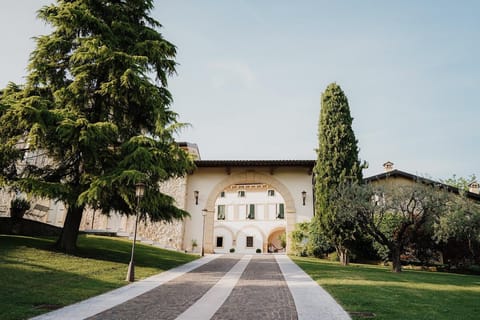
Valpolicella Classica: Visit and tasting at Corte Borghetti
Visit the vineyards and winery of Corte Borghetti and taste 5 wines in the 17th-century barrel cellar, with cold cuts and cheeses from Lessinia, extra virgin olive oil...
 Gold, deepening to amber with age
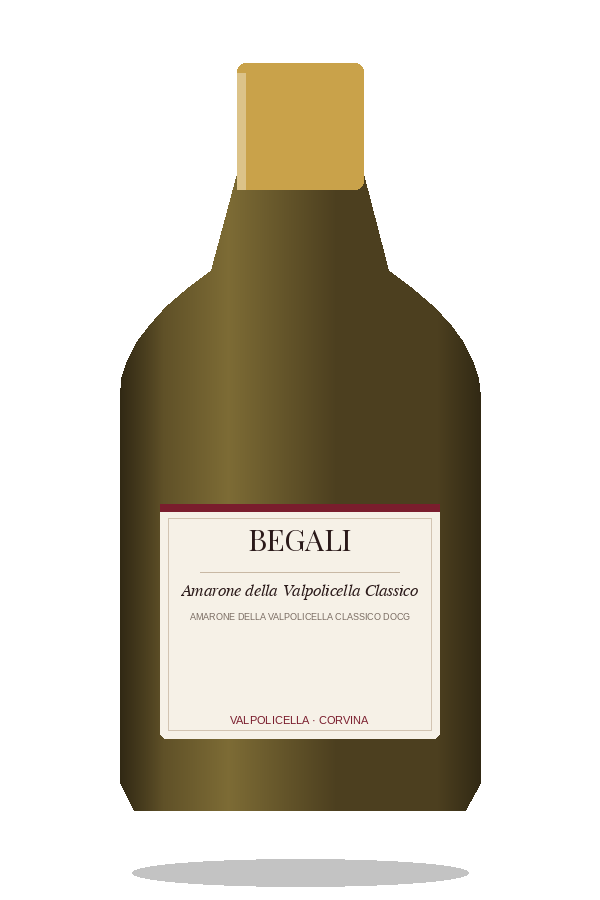
Dessert Passito · Amarone della Valpolicella Classico DOCG · Valpolicella
Garnet red with an intense, ethereal and spiced nose, from bunches chosen twice over, first in the vineyard for ripeness and loose berries, then in the fruttaio for integrity and health.
No critic score is published for this bottle that we can cite with a reviewer, a vintage and a review year, so none is shown. The rating in the header is our own.
Aroma: intense ethereal notes, spice
Palate: dense dried-grape core
Garnet red with an intense, ethereal and spiced nose, from bunches chosen twice over, first in the vineyard for ripeness and loose berries, then in the fruttaio for integrity and health.
Begali selects twice for its Amarone: first in the vineyard, choosing the ripest bunches with the fewest berries, and again in the fruttaio to check integrity, ripening and health, with the grapes left to rest until pressing.
The estate makes two selections: a first in the vineyard for the best, ripest bunches with the fewest berries, and a second in the fruttaio to check integrity, ripening and health. The grapes then rest there until pressing.
The estate reports a garnet red colour with an intense, ethereal and spiced scent.
Scattered between hillside and foothill sites inside the Valpolicella Classica zone, on silty and clay soils around Cengia at the foot of the Castelrotto hill.
Visit the vineyards and winery of Corte Borghetti and taste 5 wines in the 17th-century barrel cellar, with cold cuts and cheeses from Lessinia, extra virgin olive oil...
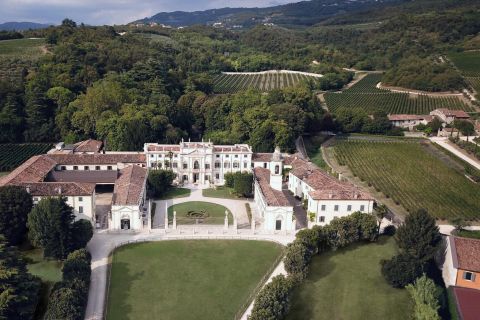
Embark on an immersive experience in Valpolicella and discover the history, art, vineyards and excellent contemporary wines on a tour of Tenuta Santa Maria owned by Gi...
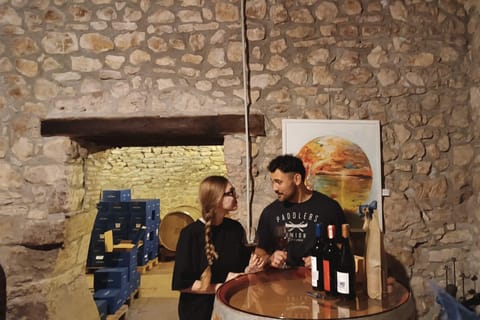
A "well-rounded" tasting of Valpolicella wines: 5 wines that will give you an overview of our production and introduce you to the particularities of the typical varieties