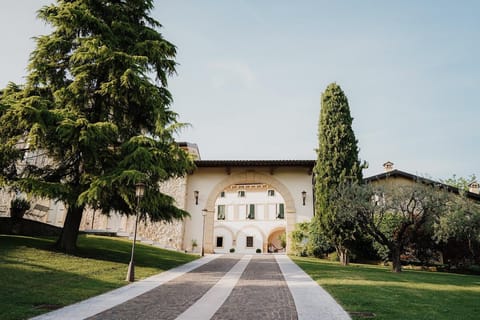
Valpolicella Classica: Visit and tasting at Corte Borghetti
Visit the vineyards and winery of Corte Borghetti and taste 5 wines in the 17th-century barrel cellar, with cold cuts and cheeses from Lessinia, extra virgin olive oil...
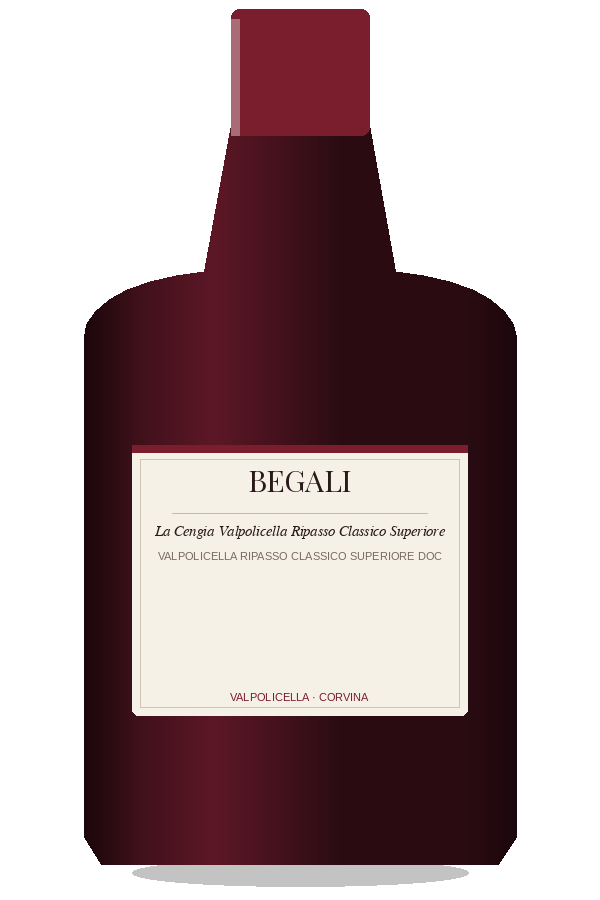 Deep garnet
Still Red · Valpolicella Ripasso Classico Superiore DOC · Valpolicella
Ruby red with garnet reflections, vinous and intense on the nose and decisive, dry and soft in the mouth, from silty and clay soils inside the Valpolicella Classica zone.
No critic score is published for this bottle that we can cite with a reviewer, a vintage and a review year, so none is shown. The rating in the header is our own.
Aroma: vinous intensity
Palate: decisive dry fruit, soft close
Ruby red with garnet reflections, vinous and intense on the nose and decisive, dry and soft in the mouth, from silty and clay soils inside the Valpolicella Classica zone.
La Cengia is named for the rocky ledges that dot the hill facing the hamlet where the Begali cellar stands. The wine is made by refermenting the estate's Valpolicella mainly on the Amarone and Recioto pomace at the moment those wines are drawn off.
By the ripasso technique, refermenting the Valpolicella mainly on the pomace of the Amarone della Valpolicella and the Recioto della Valpolicella at the time those wines are drawn off.
The estate reports a ruby red with garnet reflections, a vinous and intense scent, and a decisive, dry and soft flavour.
Cengia is the small hamlet where the estate stands, named for the rocks that dot the hill facing it, on the slopes of Castelrotto in San Pietro in Cariano.
Visit the vineyards and winery of Corte Borghetti and taste 5 wines in the 17th-century barrel cellar, with cold cuts and cheeses from Lessinia, extra virgin olive oil...

Embark on an immersive experience in Valpolicella and discover the history, art, vineyards and excellent contemporary wines on a tour of Tenuta Santa Maria owned by Gi...
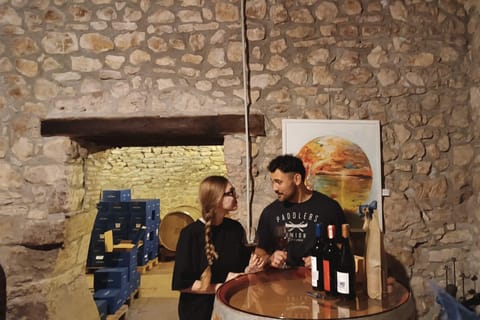
A "well-rounded" tasting of Valpolicella wines: 5 wines that will give you an overview of our production and introduce you to the particularities of the typical varieties