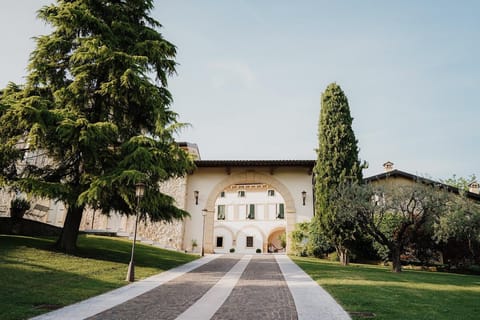
Valpolicella Classica: Visit and tasting at Corte Borghetti
Visit the vineyards and winery of Corte Borghetti and taste 5 wines in the 17th-century barrel cellar, with cold cuts and cheeses from Lessinia, extra virgin olive oil...
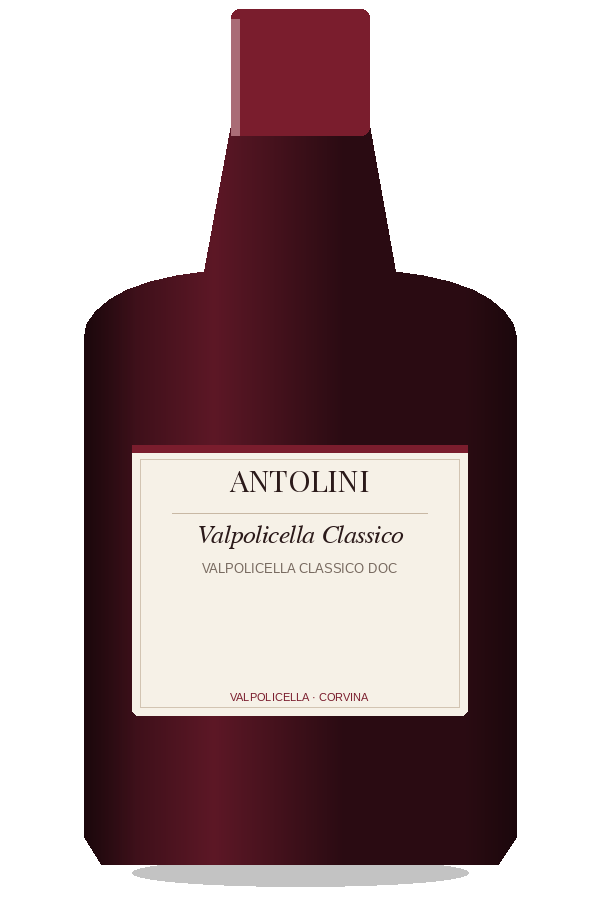 Ruby, medium depth
Still Red · Valpolicella Classico DOC · Valpolicella
Lively ruby red, with a delicate, vinous and fragrant red-fruit nose and a sapid, frank and pleasant palate carrying live acidity and moderate tannin.
No critic score is published for this bottle that we can cite with a reviewer, a vintage and a review year, so none is shown. The rating in the header is our own.
Aroma: delicate vinous scent, fragrant red fruit
Palate: sapid frank fruit, live acidity
Lively ruby red, with a delicate, vinous and fragrant red-fruit nose and a sapid, frank and pleasant palate carrying live acidity and moderate tannin.
Pier Paolo and Stefano Antolini have farmed their own vineyards since 1992 across Marano di Valpolicella, San Pietro in Cariano and Negrar, between 150 and 350 metres on mainly clay soils with no irrigation. Five to seven thousand bottles of the base Valpolicella are made each year.
The estate reports a lively ruby red colour, a delicate, vinous and fragrant scent of red fruit, and a sapid, frank and pleasant taste with live acidity and moderate tannin.
Antolini produces five to seven thousand bottles a year, in a 750ml Bordeaux bottle closed with a Stelvin cap.
The producer suggests antipasti, simple first courses and cured meats in general, and recommends trying it with pizza. Serve at 18 degrees Celsius.
Visit the vineyards and winery of Corte Borghetti and taste 5 wines in the 17th-century barrel cellar, with cold cuts and cheeses from Lessinia, extra virgin olive oil...
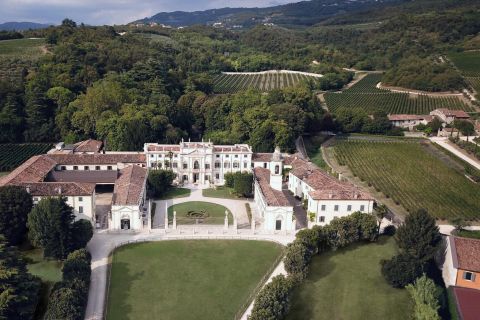
Embark on an immersive experience in Valpolicella and discover the history, art, vineyards and excellent contemporary wines on a tour of Tenuta Santa Maria owned by Gi...
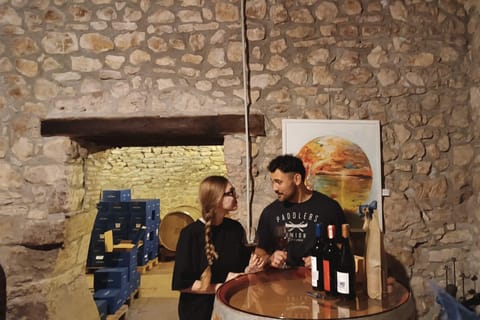
A "well-rounded" tasting of Valpolicella wines: 5 wines that will give you an overview of our production and introduce you to the particularities of the typical varieties