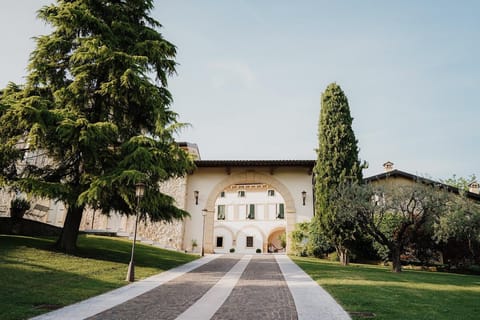
Valpolicella Classica: Visit and tasting at Corte Borghetti
Visit the vineyards and winery of Corte Borghetti and taste 5 wines in the 17th-century barrel cellar, with cold cuts and cheeses from Lessinia, extra virgin olive oil...
 Gold, deepening to amber with age
Dessert Passito · Amarone della Valpolicella Classico DOCG · Valpolicella
An impenetrable garnet, intense in red fruit under spirit of cherry and plum well amalgamated with noble spiced notes, and on the palate a wine of real fabric with decisive, elegant tannin, balanced and persistent.
No critic score is published for this bottle that we can cite with a reviewer, a vintage and a review year, so none is shown. The rating in the header is our own.
Aroma: cherry in spirit, plum in spirit, noble spice
Palate: decisive elegant tannin, persistent structure
An impenetrable garnet, intense in red fruit under spirit of cherry and plum well amalgamated with noble spiced notes, and on the palate a wine of real fabric with decisive, elegant tannin, balanced and persistent.
Pegrandi comes from medium-textured alluvial soil of calcareous nature at 230 to 250 metres, which the estate says has an optimal exposure. The grapes are carefully selected at ripeness and dried by the traditional method for several months.
The estate reports an impenetrable garnet colour, a nose intense in red fruit under spirit such as cherry and plum well amalgamated with noble spiced scents, and a wine of real fabric on the palate with decisive and elegant tannin, balanced and persistent.
On medium-textured alluvial soil of calcareous nature at 230 to 250 metres in the Valpolicella Classica hills, which the estate says has an optimal exposure.
A delicate pressing and partial destemming, then seven to ten days of maceration at one to two degrees Celsius, followed by a spontaneous fermentation at 15 to 20 degrees under partial anaerobiosis for about a month.
Visit the vineyards and winery of Corte Borghetti and taste 5 wines in the 17th-century barrel cellar, with cold cuts and cheeses from Lessinia, extra virgin olive oil...
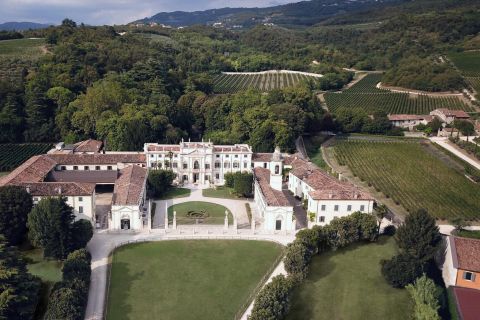
Embark on an immersive experience in Valpolicella and discover the history, art, vineyards and excellent contemporary wines on a tour of Tenuta Santa Maria owned by Gi...
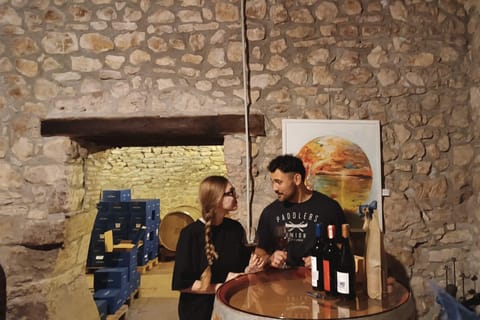
A "well-rounded" tasting of Valpolicella wines: 5 wines that will give you an overview of our production and introduce you to the particularities of the typical varieties