
Wine Tour in Braga with Vinho Verde Tasting and snacks
Wine Tour of the historic area of the city of Braga, which may include a visit to the Monastery of Tibães. Accompanied by a tasting of Vinho Verde wines that are uniqu...
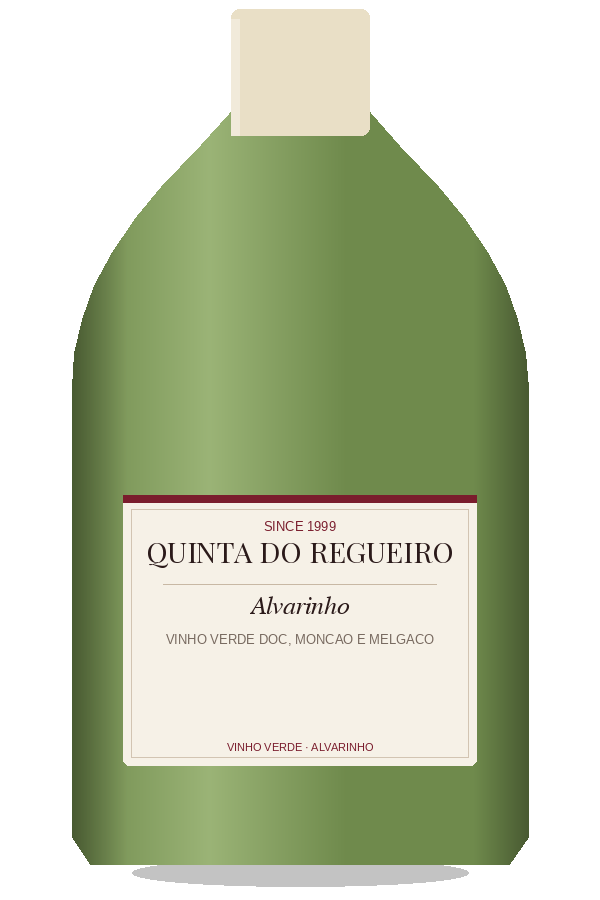 Straw to light gold
Still White · Vinho Verde DOC, Moncao e Melgaco · Vinho Verde
Estate Alvarinho from Coto, Alvaredo, Melgaco, the heart of the Moncao and Melgaco sub-region. Mineral, citrus-driven Vinho Verde with the producer's signature granite spine.
No critic score is published for this bottle that we can cite with a reviewer, a vintage and a review year, so none is shown. The rating in the header is our own.
Aroma: green apple, lime peel, white flower, wet granite
Palate: citrus pith, stone fruit, fine mineral, crisp acidity
Estate Alvarinho from Coto, Alvaredo, Melgaco, the heart of the Moncao and Melgaco sub-region. Mineral, citrus-driven Vinho Verde with the producer's signature granite spine.
Quinta do Regueiro was established in 1988 with three hectares of Alvarinho at Coto, Alvaredo, in northernmost Melgaco. The brand was registered in 1999 with the first commercial harvest.
Green apple, lime peel, white flower and wet granite on the nose; citrus pith, stone fruit, fine mineral and crisp acidity on the palate. Medium-bodied with high acidity and a long finish.
Drink within 2 to 8 years of the vintage, chilled to 10 to 12C.
Bacalhau a Gomes de Sa, shellfish platters and grilled bream are all strong matches.
At Coto, Alvaredo, in Melgaco, the northernmost point of Portugal in the Moncao and Melgaco sub-region.
Wine Tour of the historic area of the city of Braga, which may include a visit to the Monastery of Tibães. Accompanied by a tasting of Vinho Verde wines that are uniqu...

In this experience, you can enjoy a tasting of wines exclusive to the Norte Region of Portugal. In our space, we provide wine tastings customized to your preferences a...

Explore 3,000 years of Portuguese history in Braga, walk a section of the Camino de Santiago in Ponte de Lima, and enjoy Vinho Verde tasting in a 12th-century castle.