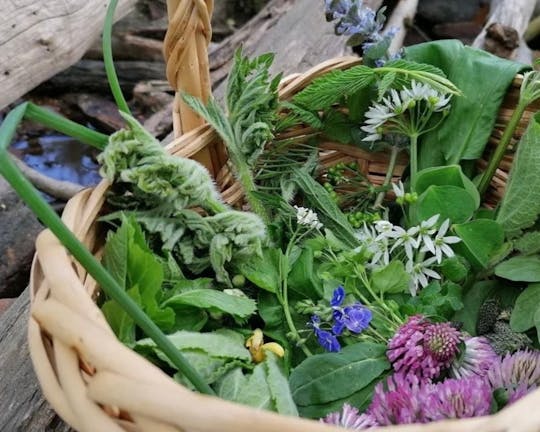
Wild plant foraging guided walk in Baden-Baden
Join a 3-hour guided wild plant foraging walk through the beautiful forests and meadows of Baden-Baden. Each season brings its own unique herbs, ensuring every hike of...
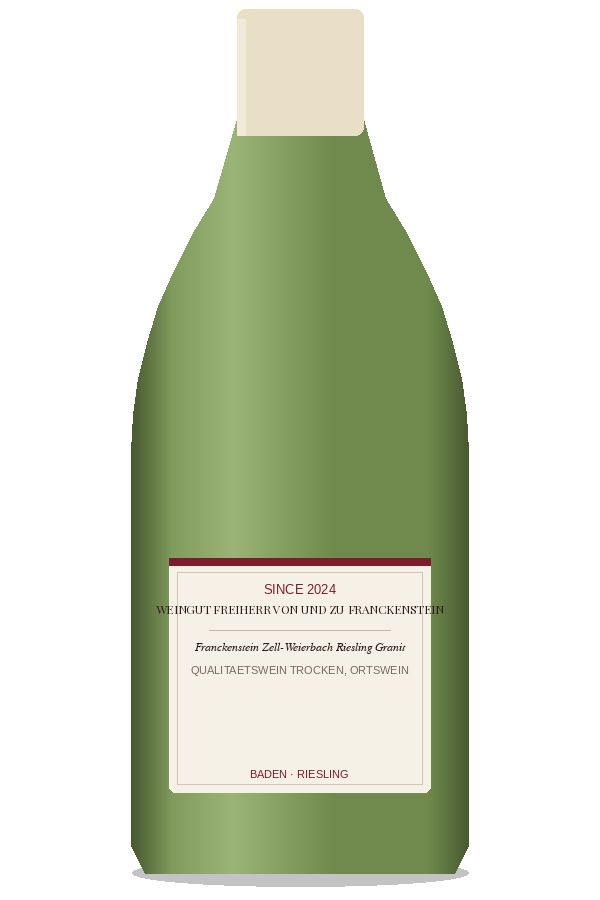 Straw to light gold
Still White · Qualitaetswein trocken, Ortswein · Baden
Dry Riesling from Zell-Weierbach's granite soils, one of two geologically distinct village bottlings the estate makes (Granit vs. the Gneis wines from Berghaupten).
No critic score is published for this bottle that we can cite with a reviewer, a vintage and a review year, so none is shown. The rating in the header is our own.
The estate separates its village Rieslings by underlying rock: Granit from Zell-Weierbach and Gneis from Berghaupten, a rare instance of German producers marketing bedrock geology directly on the label.
A medium-bodied, dry Riesling with high acidity and a medium finish, from granite soils in Zell-Weierbach.
It comes from the granite soils of Zell-Weierbach, while the Gneis bottling comes from gneiss-based soils in neighbouring Berghaupten; the estate labels each by bedrock.
Grilled trout, Baden-style potato salad, or fresh chevre.
Join a 3-hour guided wild plant foraging walk through the beautiful forests and meadows of Baden-Baden. Each season brings its own unique herbs, ensuring every hike of...
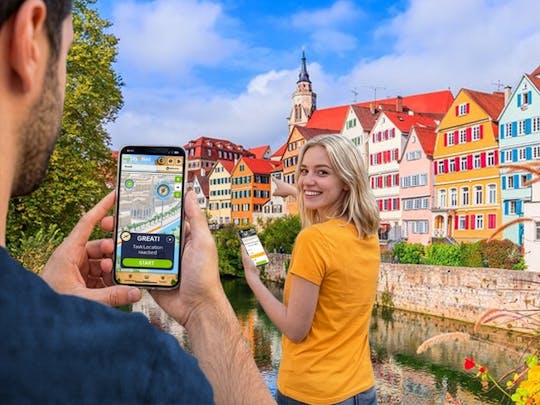
Discover Baden-Baden from a fresh perspective with a self-guided digital scavenger hunt, accessible via an app. This engaging city rally seamlessly blends sightseeing ...

Are you a sports enthusiast seeking a fresh perspective of the city? Perhaps it's your first visit, or maybe traditional double-decker bus tours simply don’t cut it fo...