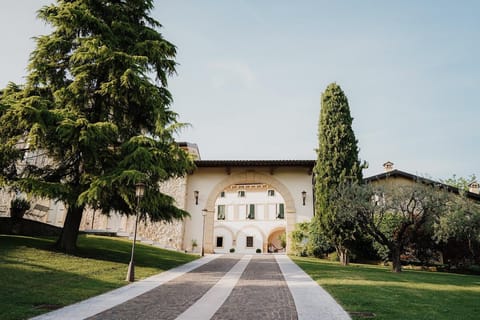
Valpolicella Classica: Visit and tasting at Corte Borghetti
Visit the vineyards and winery of Corte Borghetti and taste 5 wines in the 17th-century barrel cellar, with cold cuts and cheeses from Lessinia, extra virgin olive oil...
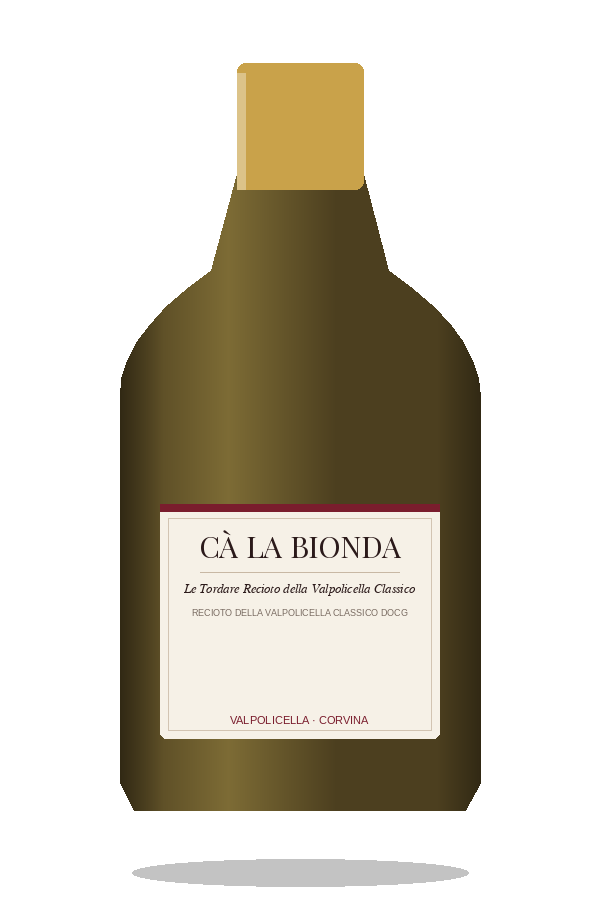 Gold, deepening to amber with age
Dessert Passito · Recioto della Valpolicella Classico DOCG · Valpolicella
A sweet red at 120 to 140 grams per litre of residual sugar that the estate says carries a great minerality, giving it extraordinary freshness and drinkability despite the sweetness.
No critic score is published for this bottle that we can cite with a reviewer, a vintage and a review year, so none is shown. The rating in the header is our own.
Palate: marked minerality, sweet fruit with lift
A sweet red at 120 to 140 grams per litre of residual sugar that the estate says carries a great minerality, giving it extraordinary freshness and drinkability despite the sweetness.
For Le Tordare the grapes are left to dry in wooden crates until the end of February, well beyond the drying period for the estate's Amarone, which is how Cà la Bionda reaches 120 to 140 grams per litre of residual sugar.
The estate publishes a residual sugar of 120 to 140 grams per litre, reached by drying the grapes in wooden crates until the end of February.
Cà la Bionda says this Recioto has a great minerality that gives it extraordinary freshness and drinkability despite being a sweet wine.
Vinified in steel vats at controlled temperature with about twenty days of maceration, then aged roughly twenty-four months in small oak casks.
Visit the vineyards and winery of Corte Borghetti and taste 5 wines in the 17th-century barrel cellar, with cold cuts and cheeses from Lessinia, extra virgin olive oil...
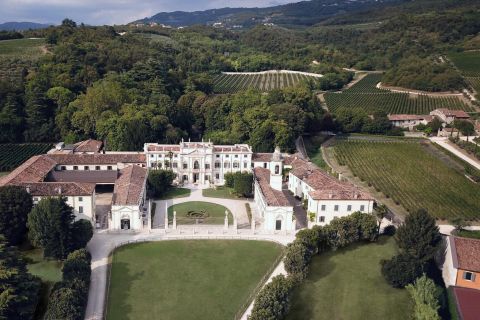
Embark on an immersive experience in Valpolicella and discover the history, art, vineyards and excellent contemporary wines on a tour of Tenuta Santa Maria owned by Gi...
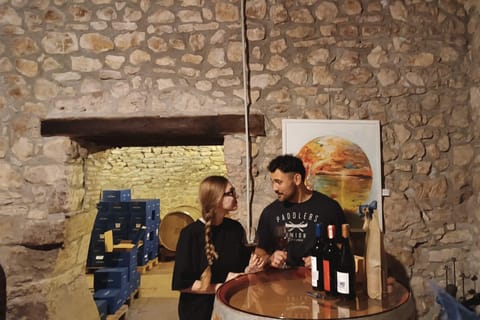
A "well-rounded" tasting of Valpolicella wines: 5 wines that will give you an overview of our production and introduce you to the particularities of the typical varieties