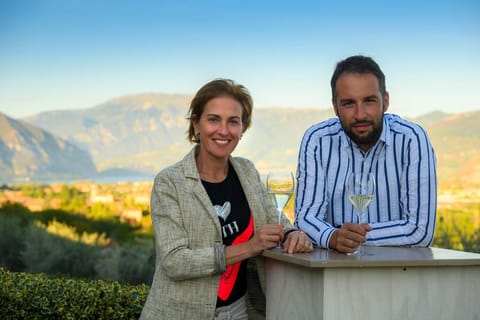
Franciacorta: Guided Winery Tour and Tasting Experience
Explore the Ferghettina winery with a guided visit. Choose between a classic or reserve tasting, each paired with local specialties.
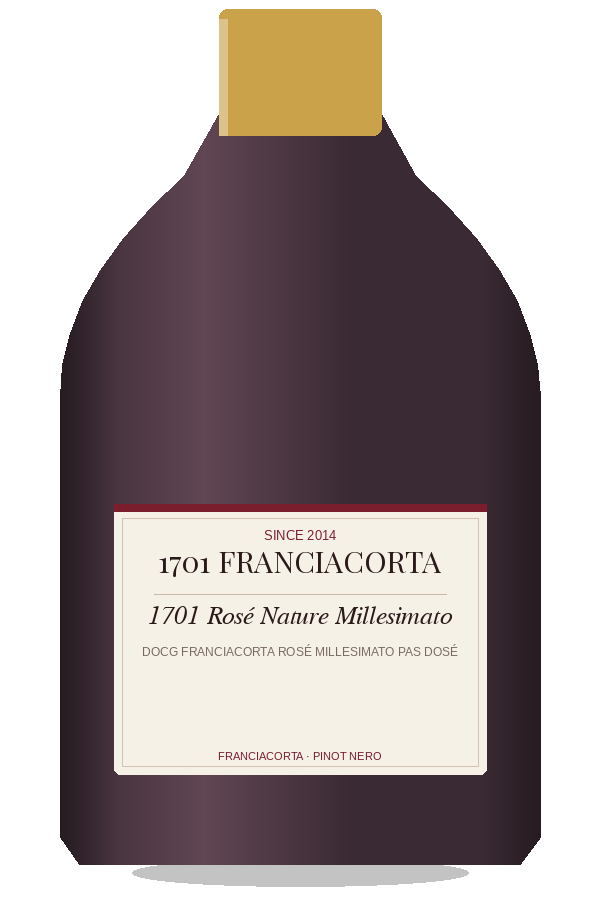 Pale pink, fine bead
Sparkling Traditional · DOCG Franciacorta Rosé Millesimato Pas Dosé · Franciacorta
1701's biodynamic Demeter-certified 100 percent Pinot Nero Rosé Pas Dosé Millesimato. Wild strawberry and rose petal stripped of dosage sugar.
No critic score is published for this bottle that we can cite with a reviewer, a vintage and a review year, so none is shown. The rating in the header is our own.
Aroma: wild strawberry, raspberry, pomegranate, rose petal, chalk
Palate: redcurrant, blood orange, saline minerality, brioche
1701's biodynamic Demeter-certified 100 percent Pinot Nero Rosé Pas Dosé Millesimato. Wild strawberry and rose petal stripped of dosage sugar.
1701's Pinot Nero-only Rosé Pas Dosé Millesimato, biodynamic Demeter-certified. The cellar's pink statement of the Cazzago San Martino terroir.
Wild strawberry, raspberry, pomegranate, rose petal and chalk on the nose; redcurrant, blood orange, saline minerality and brioche on the palate. Medium-bodied with high acidity and a long, mineral finish.
Yes. 1701 holds Demeter biodynamic certification across the estate, including the Rosé Nature.
Drink within 0 to 8 years of disgorgement. Younger releases lead with bright wild strawberry; older releases trade fruit lift for brioche and chalk depth.
Explore the Ferghettina winery with a guided visit. Choose between a classic or reserve tasting, each paired with local specialties.
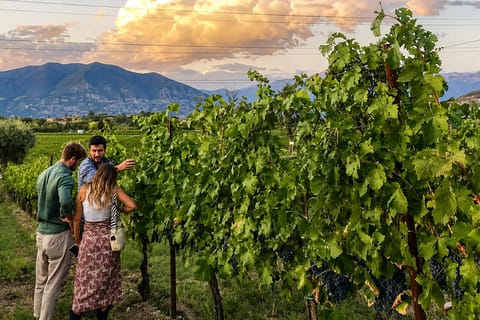
Discover an authentic experience in Franciacorta with a visit to the winery, wine tasting and local food tasting, guided directly by a family of producers.
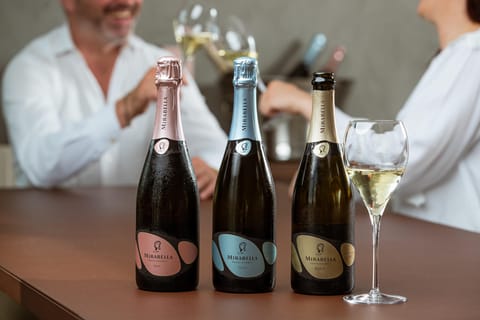
Discover Franciacorta on a tour of vineyards and a historic cellar, and taste three excellent Mirabella wines accompanied by artisanal products.