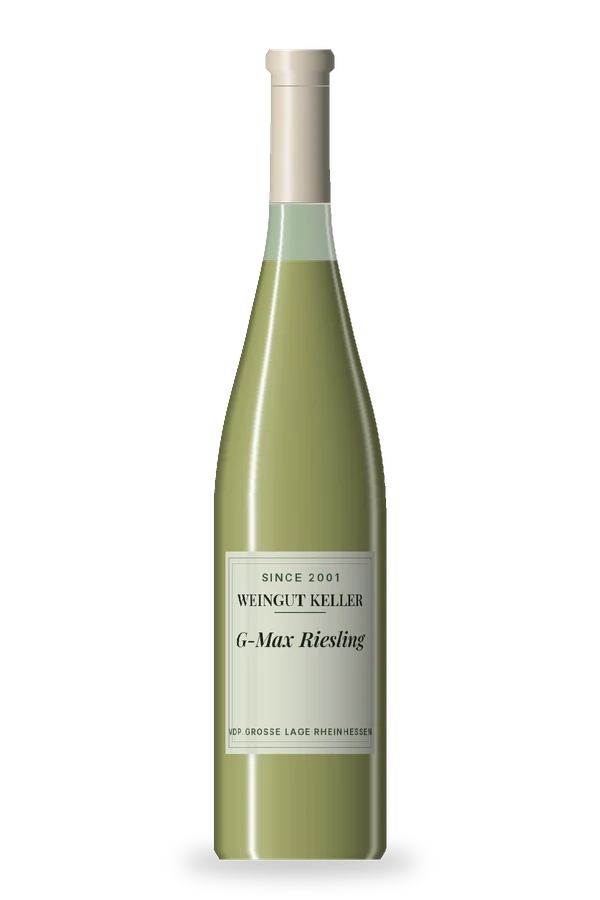
No critic score is published for this bottle that we can cite with a reviewer, a vintage and a review year, so none is shown. The rating above is our own.
In the glass
Full-bodiedRacy acidityDryLong finish
Aroma: yellow stone fruit, smoke, spice, limestone
With the winner of the 2025 GWC Tourism Award, you will discover Mainz off the beaten tourist track, with 4 special regional wines and a tour guide who will present th...
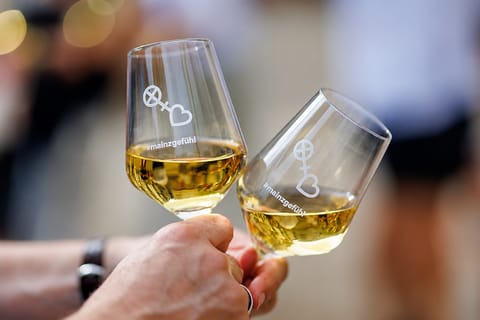
Explore Mainz with all your senses! On a walking tour through the Old Town, enjoy three Rhine-Hessian wines with Spundekäs cheese and pretzels, and discover the city's...
Out and about with the winners of the 2025 GWC Tourism Award. One guide, two cathedrals, three wines and lots of history: Your guide will show you the “goldisch Meenz”...
Pan-seared turbot with brown butterStone fruit weight stands up to the meaty fish; smoky mineral notes echo the browned butter.More wines for fish →
History
Released first in 2001 by Klaus-Peter Keller as a sub-bottling under the family flagship; the parcel and origin are not publicly disclosed and the wine sells exclusively to a long-waiting allocation list.
Aged in traditional large oak Stueckfass casks of about 1,200 litres
ABV
13.0%
Price
EUR 600 to 1200 at retail
Drinking window
10 to 30 from vintage
First vintage
2001
Vegan
Yes (no animal-derived fining)
Frequently asked about G-Max Riesling
What does G-Max Riesling taste like?
Yellow stone fruit, smoke, spice and limestone on the nose; peach, tropical fruit, salty mineral and flint on the palate. Full-bodied with racy acidity and a long finish.
When should I drink G-Max Riesling?
Drink 10 to 30 years from vintage. Younger bottles benefit from 30-60 minutes of decanting; cellar-aged examples show smoky tertiary complexity.
Is G-Max Riesling vegan?
Yes. Weingut Keller does not use animal-derived fining agents on the G-Max bottling.
What food pairs with G-Max Riesling?
Brittany lobster with beurre blanc is the canonical pairing. Pan-seared turbot and aged Comte are equally strong matches.