
Palermo Rooftop Cooking Class with Full Meal, Wine & Stories
Experience an authentic Sicilian cooking class in Palermo set on a panoramic 7th-floor terrace overlooking the city, and join a local chef for a hands-on culinary jour...
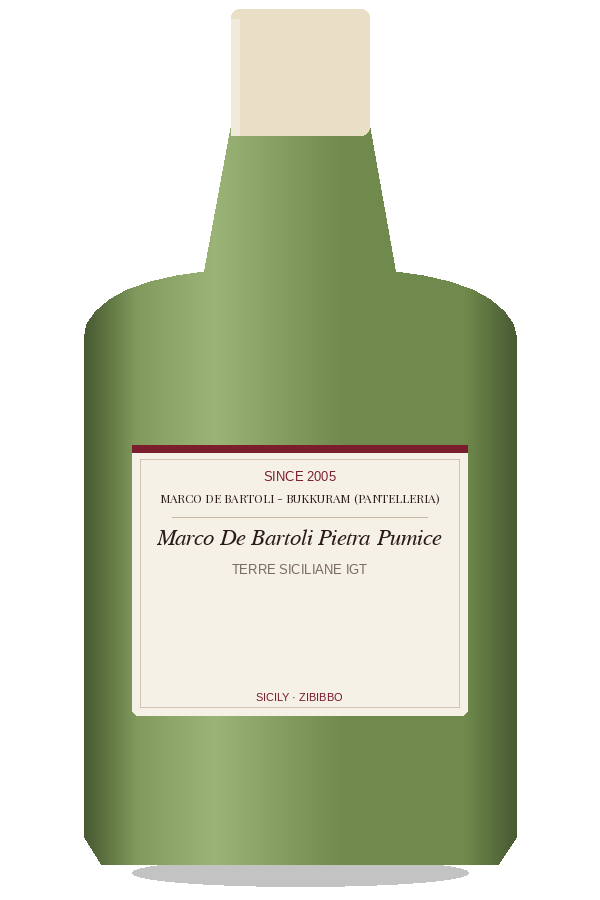 Straw to light gold
Still White · Terre Siciliane IGT · Sicily
Pietra Pumice (pumice stone) is De Bartoli's dry Zibibbo table wine from Pantelleria: made without additions on the volcanic pumice soils, it shows the wild mineral character of the island when Zibibbo is vinified dry and naturally.
No critic score is published for this bottle that we can cite with a reviewer, a vintage and a review year, so none is shown. The rating in the header is our own.
Aroma: volcanic mineral, citrus blossom, wild herbs, fresh apricot
Palate: citrus zest, saline mineral, volcanic stone, herbal finish
Pietra Pumice (pumice stone) is De Bartoli's dry Zibibbo table wine from Pantelleria: made without additions on the volcanic pumice soils, it shows the wild mineral character of the island when Zibibbo is vinified dry and naturally.
Allow 5 minutes from open to pour.
Pietra Pumice was introduced to show the dry potential of Zibibbo on Pantelleria's distinctive pumice volcanic soils. Farmed without additions under the De Bartoli minimal-intervention philosophy, the wine reveals the wild mineral character of the island entirely different from its sweet incarnation in Ben Rye or Sole d'Agosto.
On the nose, volcanic mineral, citrus blossom, wild herbs, fresh apricot. On the palate, citrus zest, saline mineral, volcanic stone, herbal finish. Structurally medium-bodied, low tannins, high acidity with a mineral-saline, long, volcanic finish. Pietra Pumice (pumice stone) is De Bartoli's dry Zibibbo table wine from Pantelleria: made without additions on the volcanic pumice soils, it shows the wild mineral character of the island when Zibibbo is vinified dry and naturally.
Drink 2-10 from vintage. Young vintages benefit from 30-90 minutes of decanting; mature bottles should be handled carefully for sediment.
Sicilian couscous di pesce (fish couscous) is the canonical pairing. Other strong matches include Grilled swordfish with caponata and Pantelleria pantesca salad (tuna, capers, olives, tomato). Volcanic mineral and herbal notes from the pumice soils pair with the aromatic spiced fish couscous.
The blend is Zibibbo. The wine is classified as Terre Siciliane IGT.
Experience an authentic Sicilian cooking class in Palermo set on a panoramic 7th-floor terrace overlooking the city, and join a local chef for a hands-on culinary jour...

Discover Palermo at night on a walking tour with street food, Sicilian wine, and live storytelling inspired by local legends, folklore, mystery, and unusual Sicilian tales.
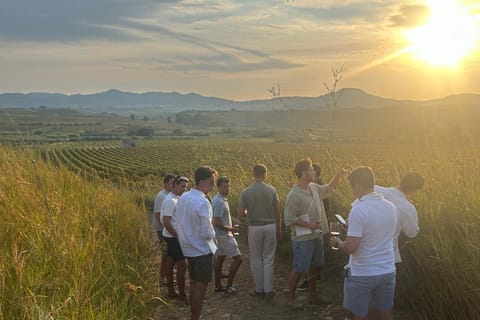
In this experience, you can immerse yourself in the tranquil atmosphere of Tenute Baglio Passofondo, an oasis of peace just a few kilometers from Trapani and Palermo.