Nerello Mascalese
Nerello Mascalese is the principal red grape of Mount Etna DOC. It produces pale, transparent garnet reds with high acidity and firm but fine tannins that draw frequent comparisons to Pinot Noir and Burgundy.
The grapes that define Sicily: the canonical varietals and how the region expresses them.
The grapes that define Sicily: the canonical varietals and how the region expresses them.
Nerello Mascalese is the principal red grape of Mount Etna DOC. It produces pale, transparent garnet reds with high acidity and firm but fine tannins that draw frequent comparisons to Pinot Noir and Burgundy.
Nero d'Avola is Sicily's most-planted native red variety, named after the town of Avola in the Syracuse province where it is believed to have originated.
Frappato is a native Sicilian red grape grown almost exclusively in the Vittoria zone of the Ragusa province. It produces pale, bright ruby wines of remarkable freshness and aromatic complexity: wild strawberry, raspberry, rose, and a signature white pepper note. With low tannins and high acidity, Frappato is a food-friendly Sicilian red and the lighter counterpart to Nero d'Avola in the Cerasuolo di Vittoria DOCG blend. Arianna Occhipinti's SP68 Rosso and single-varietal Frappato bottlings, sold widely outside Italy since the late 2000s, have driven much of the variety's modern recognition. COS's Frappato-heavy Cerasuolo bottlings sit at the Classico tier.
Carricante is the primary white grape of Etna DOC and the exclusive variety permitted for Etna Bianco Superiore from the Milo sub-zone. It produces high-acid, mineral whites with citrus, green apple, white flowers and a distinctive volcanic saline finish. At Milo on the east slope, Carricante from old alberello vines develops honeyed complexity over a decade in bottle. Benanti's Pietramarina from a single plot in Milo, first released from the 1990 vintage, is a widely cited reference Carricante.
Grillo is the backbone of quality Marsala DOC and a leading Sicilian white. Cultivated on the island since Phoenician times according to the Marco De Bartoli estate's records, Grillo produces aromatic, full-bodied whites with jasmine, citrus peel, almond and a characteristic bitter note on the finish. In Marsala, it forms the base of the dry and semi-dry Vergine styles. As a table wine it produces still whites with strong food-pairing versatility. Planeta, Donnafugata and Feudo Montoni all produce varietal Grillo.
Catarratto is Sicily's most-planted grape variety by volume, used in Alcamo DOC and widely throughout the island for blended whites and as a component in Marsala.
Zibibbo (known elsewhere as Moscato d'Alessandria) is the sole grape of Pantelleria's wine culture. Trained in the alberello pantesco bush-vine system, the vines are pressed into low bowls in the volcanic rock to shelter from the fierce Scirocco wind. The technique was added to the UNESCO Intangible Cultural Heritage list in 2014. Sun-drying the grapes after harvest concentrates sugars for Passito di Pantelleria DOC, producing concentrated wines of apricot jam, candied orange, saffron and volcanic mineral. Donnafugata Ben Ryé, Marco De Bartoli Bukkuram Sole d'Agosto and Serragghia are widely cited references.
Malvasia di Lipari is a small-berried, intensely aromatic white variety grown on the volcanic Aeolian Islands, primarily Salina, Lipari and Stromboli.
Nerello Cappuccio is the blending partner of Nerello Mascalese on Mount Etna. Where Nerello Mascalese provides pale colour, high acid and fine tannins, Nerello Cappuccio adds depth of colour, softer tannins and rounder body. Etna DOC Rosso regulations permit up to 20% Nerello Cappuccio in the blend. The variety is rarely bottled alone, but it is essential to the structure of the great Etna reds. Older vines often have the two varieties co-planted (field blend style), reflecting the traditional Sicilian viticultural practice of growing multiple varieties together.
Inzolia (also written Insolia or called Ansonica on mainland Italy) is a native Sicilian white grape producing soft, aromatic wines with almond, peach and fennel notes.

Experience an authentic Sicilian cooking class in Palermo set on a panoramic 7th-floor terrace overlooking the city, and join a local chef for a hands-on culinary jour...

Discover Palermo at night on a walking tour with street food, Sicilian wine, and live storytelling inspired by local legends, folklore, mystery, and unusual Sicilian tales.
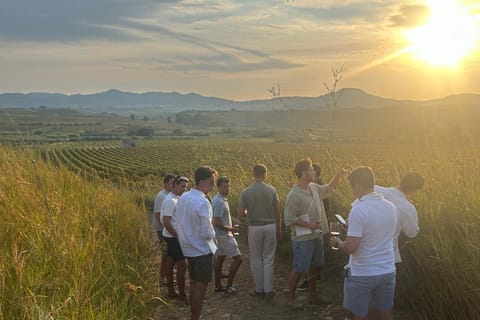
In this experience, you can immerse yourself in the tranquil atmosphere of Tenute Baglio Passofondo, an oasis of peace just a few kilometers from Trapani and Palermo.
Peak wine-travel season in Sicily is spring through autumn, with harvest the standout window.
classified-growth and grand-cru estates require booking days to weeks ahead; smaller family domaines often take walk-ins midweek.
most estates open 10:00 to 17:00 by appointment, often closed Sunday and Monday.
tipping is not expected at tastings; buying a bottle from the cellar door is the customary thank-you.
Ask the next local you meet what they would order. Sicily rewards trust.