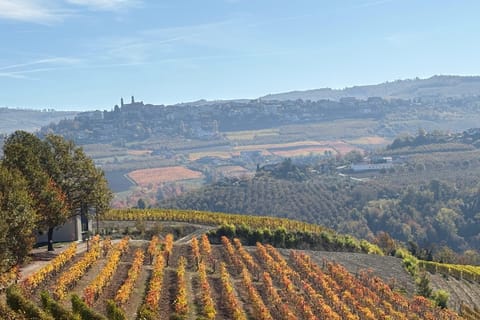
Vineyard Walk with Wine & Cheese Pairing at a Langhe Winery
Explore our private Alterris estate, strolling through the vineyards, visiting our cellar dug into the hillside, and enjoying an exclusive wine and cheese pairing experience
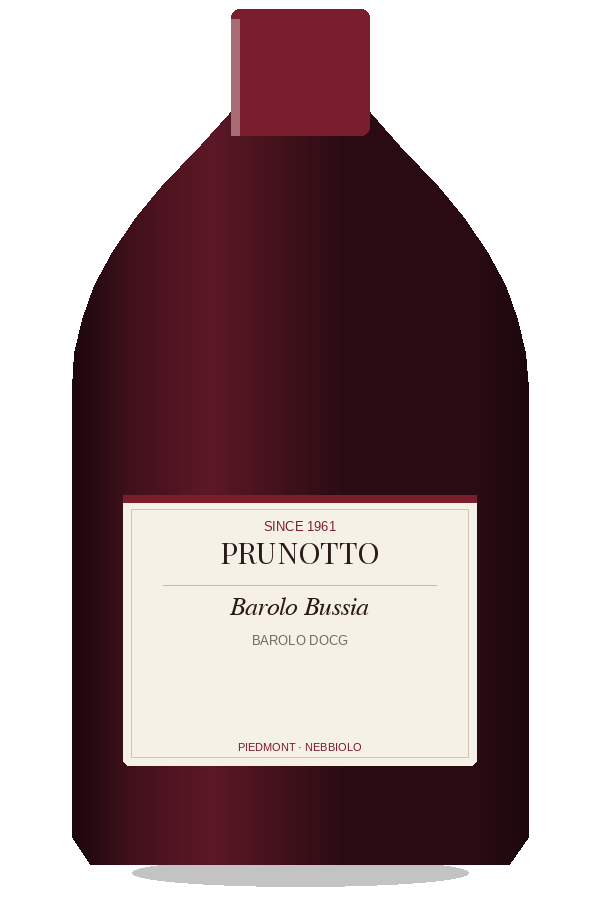 Deep garnet
Still Red · Barolo DOCG · Piedmont
Prunotto's single-vineyard Barolo from the Bussia cru in Monforte, a classic, structured Nebbiolo from the historic Alba house now owned by Antinori.
No critic score is published for this bottle that we can cite with a reviewer, a vintage and a review year, so none is shown. The rating in the header is our own.
Allow 95 minutes from open to pour.
Prunotto, founded in 1904 and Antinori-owned since the 1990s, makes a single-vineyard Barolo from the Bussia cru in Monforte.
Structurally full-bodied, firm tannins, high acidity with a long finish. Prunotto's single-vineyard Barolo from the Bussia cru in Monforte, a classic, structured Nebbiolo from the historic Alba house now owned by Antinori.
Drink 10 to 30 from vintage. Young vintages benefit from 30-90 minutes of decanting; mature bottles should be handled carefully for sediment.
Brasato al Barolo is the canonical pairing. Other strong matches include Tajarin with white truffle and Aged Castelmagno. Braised beef matches the wine's structure and tannin.
The blend is Nebbiolo (100%). The wine is classified as Barolo DOCG.
Explore our private Alterris estate, strolling through the vineyards, visiting our cellar dug into the hillside, and enjoying an exclusive wine and cheese pairing experience
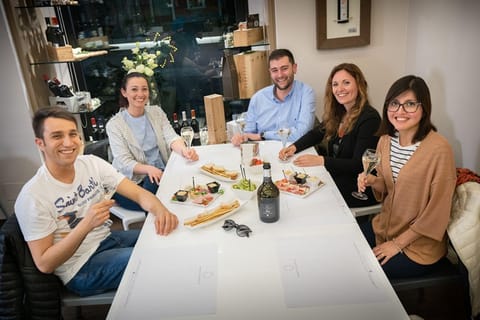
Indulge in a wine tasting experience in Alba, featuring five exceptional wines and a selection of finger foods. Enjoy a curated selection of wines, including Barolo an...
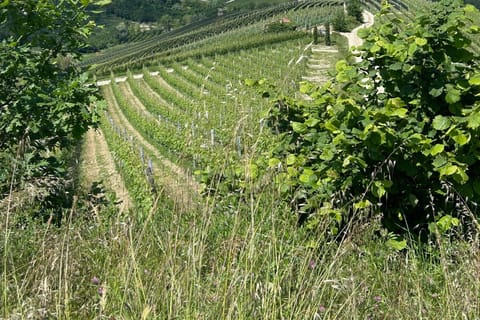
Discover the wines of Langhe and Roero on a personalized tour. Visit up to 3 wineries, meet local producers, and enjoy authentic tastings.