Nebbiolo
Piedmont's noble red and the sole grape of Barolo and Barbaresco DOCG. Late-ripening and tannic, it gives pale garnet wines of high acidity and firm tannin with aromas of rose, tar, dried cherry, truffle and dried herbs.
The grapes that define Piedmont: the canonical varietals and how the region expresses them.
The grapes that define Piedmont: the canonical varietals and how the region expresses them.
Piedmont's noble red and the sole grape of Barolo and Barbaresco DOCG. Late-ripening and tannic, it gives pale garnet wines of high acidity and firm tannin with aromas of rose, tar, dried cherry, truffle and dried herbs.
The most widely planted red in Piedmont and the everyday wine of the region's table. Barbera combines deep colour and low tannin with vivid, mouth-watering acidity and flavours of black cherry, plum and blackberry.
Piedmont's soft, early-drinking everyday red, whose name means little sweet one for the grapes' low acidity and approachable charm rather than any residual sugar.
The aromatic white behind Asti and Moscato d'Asti DOCG, grown on the tufa hills of southern Monferrato around Canelli, the birthplace of Italian sparkling wine.
The crisp white grape behind Gavi DOCG in the south-eastern hills near the Ligurian border. Cortese gives pale, dry, high-acid whites with green apple, citrus, white flower and a saline, mineral edge, made almost always unoaked to preserve freshness. Its proximity to the coast makes it a natural partner for seafood, and the best examples from Gavi and Rovereto can age several years.
The aromatic white of the Roero, once nearly extinct and revived from the 1970s by producers such as Vietti and Bruno Giacosa. Roero Arneis DOCG gives soft, dry whites with pear, white peach, almond and chamomile notes and moderate acidity, traditionally interplanted with Nebbiolo on the sandy left bank of the Tanaro. The grape's name means little rascal in Piedmontese dialect, a nod to its tricky vineyard behaviour.
A pale, characterful Monferrato red made under Grignolino d'Asti DOC and Grignolino del Monferrato Casalese DOC. Light in colour but high in tannin and acidity, with notes of red berry, white pepper and a bitter twist, it is a quirky, food-friendly wine prized locally as an aperitivo and antipasto red. Its name nods to the grape's many pips (grignole in dialect).
An old Piedmontese red genetically close to Nebbiolo, traditionally made in a lightly sparkling, off-dry frizzante style though increasingly bottled dry and still.
The aromatic red grape of Brachetto d'Acqui DOCG in the hills around Acqui Terme. Most often vinified as a sweet, lightly sparkling red with low alcohol, it is intensely perfumed with strawberry, rose and musk and is a classic pairing for chocolate and red-fruit desserts. A dry still version is also permitted.
A near-extinct white revived in the Colli Tortonesi of eastern Piedmont, most associated with Derthona (the dialect name for Tortona). Timorasso gives full-bodied, structured dry whites with citrus, stone fruit, honey and a pronounced mineral, hydrocarbon-tinged character that develops with bottle age, increasingly regarded as one of Italy's most ageworthy native whites.
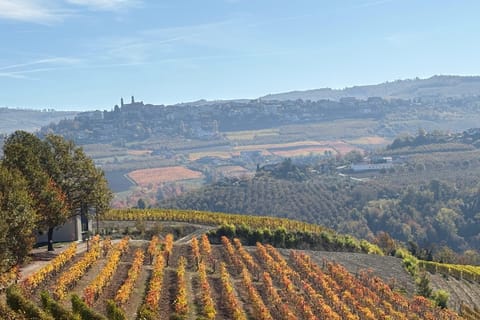
Explore our private Alterris estate, strolling through the vineyards, visiting our cellar dug into the hillside, and enjoying an exclusive wine and cheese pairing experience
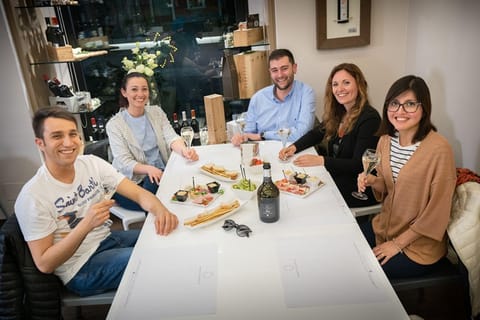
Indulge in a wine tasting experience in Alba, featuring five exceptional wines and a selection of finger foods. Enjoy a curated selection of wines, including Barolo an...
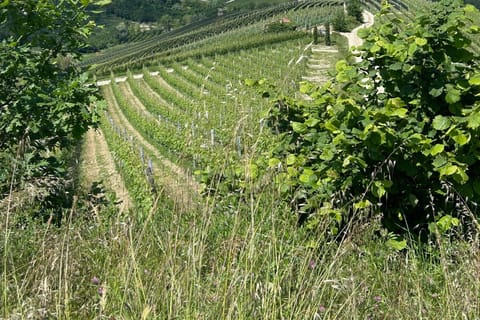
Discover the wines of Langhe and Roero on a personalized tour. Visit up to 3 wineries, meet local producers, and enjoy authentic tastings.
Peak wine-travel season in Piedmont is spring through autumn, with harvest the standout window.
classified-growth and grand-cru estates require booking days to weeks ahead; smaller family domaines often take walk-ins midweek.
most estates open 10:00 to 17:00 by appointment, often closed Sunday and Monday.
tipping is not expected at tastings; buying a bottle from the cellar door is the customary thank-you.
Ask the next local you meet what they would order. Piedmont rewards trust.