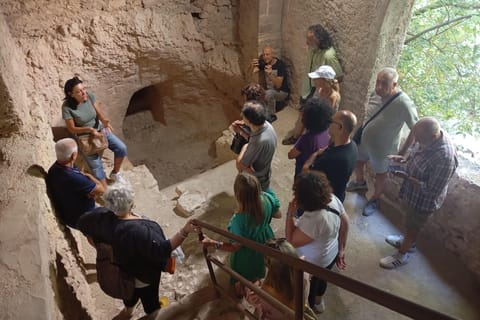
Raiano: Guided Walking Tour with Olive Oil & Gelato Tasting
Explore Raiano’s mural-lined historic center on a guided walking tour. Follow the Aterno River through the San Venanzio Nature Reserve to historic mills, then taste ol...
31 editor-picked estates growing Pecorino in Abruzzo.

Where to taste Pecorino in Abruzzo: the estates that grow it, how the region expresses the grape, and how to book a visit.
The cellar
The 12 highest-rated of 15 bottles with at least 15% Pecorino in the blend.
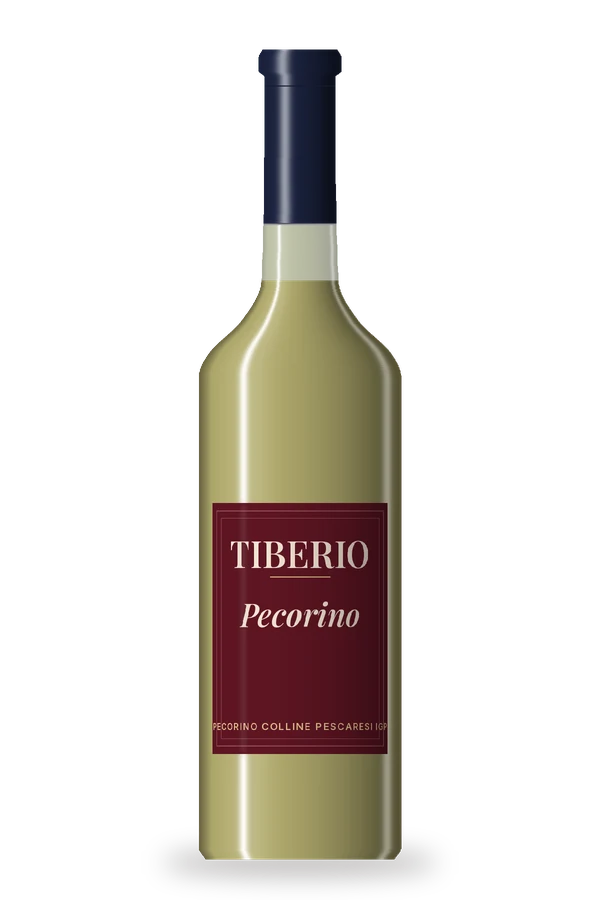 4.7
Tiberio Pecorino
Tiberio
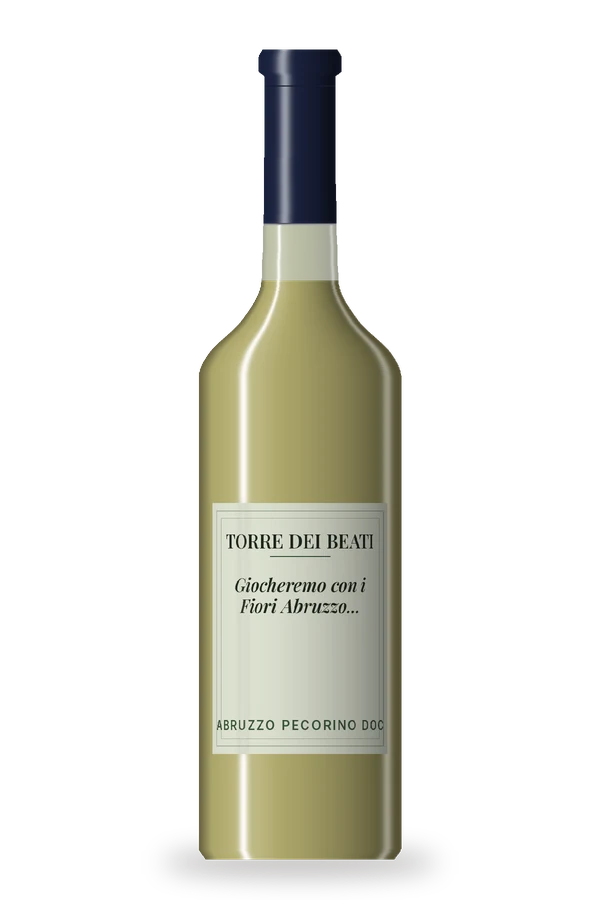 4.6
Giocheremo con i Fiori Abruzzo Pecorino
Torre dei Beati
 4.5
Giulia Pecorino
Cataldi Madonna
 4.4
Collecivetta Abruzzo Pecorino
Pasetti
 4.4
Donna Greta Abruzzo Pecorino Superiore
Cantina Frentana
 4.3
Chronicon Pecorino
Cantina Zaccagnini
 4.3
Contesa Abruzzo Pecorino
Contesa
 4.3
Eikos Pecorino
Cantine Agriverde
 4.3
Ekwo Abruzzo Pecorino
Tenuta Terraviva
 4.3
Tenuta I Fauri Abruzzo Pecorino
Tenuta I Fauri
 4.3
Tre Massi Pecorino
Tenuta Secolo IX
 4.2
Anthology Abruzzo Pecorino
Cantina Tollo
Explore Raiano’s mural-lined historic center on a guided walking tour. Follow the Aterno River through the San Venanzio Nature Reserve to historic mills, then taste ol...

Discover Pescara on a walking tour. From the Ponte del Mare, along the river and across the bridge, we will reach Pescara Vecchia, the places associated with D'Annunzi...
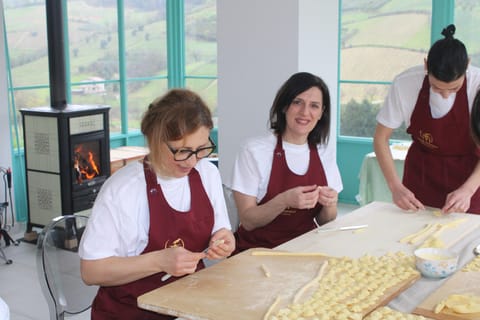
Discover the secrets of Abruzzo cuisine with a cooking class at Torre Monache in Villamagna. Learn to make authentic dishes, enjoy a shared meal, and try some wine fro...
Torano Nuovo house bottling since 1964, working unfiltered and holding wine in the cellar for up to twenty years before decanting. Montepulciano, Trebbiano and Pecorino, plus rooms on site.
Tasting: Tastings and visits arranged by email, with an agriturismo in the founder's house on the estate
Founded at San Martino sulla Marrucina in 1981 and now farming 320 hectares across all four Abruzzo provinces, with about 2.5 million bottles a year according to DoctorWine.
Hillside estate at Cugnoli in the Pescara hinterland, trading as Agricola Tiberio and working Montepulciano, Trebbiano Abruzzese and Pecorino from its own vineyards.
Loreto Aprutino estate started in 2000, farming 26 hectares and making around 190,000 bottles a year per DoctorWine. Cellar and vineyard sit at Poggioragone.
Collecorvino estate at Contrada Caparrone, bottling a Terre dei Vestini Riserva and a Colline Pescaresi Pecorino Superiore, with a booked visit and tasting programme.
Tasting: Visits and tastings bookable through the estate website
Torano Nuovo estate whose own site states the whole production is certified organic. Range covers Montepulciano, Cerasuolo and a skin contact Trebbiano d'Abruzzo.
Loreto Aprutino estate at Contrada Palazzo, covering the Montepulciano, Trebbiano, Cerasuolo and Pecorino range and selling into export markets in several languages.
Loreto Aprutino producer at Contrada Cordano, covering the full Abruzzo white set of Trebbiano, Pecorino, Passerina and Cococciola alongside Montepulciano and Cerasuolo.
Pietranico estate of about 30 hectares that describes its own farming as organic and biodynamic, with an art and wellness programme alongside the cellar.
Castiglione a Casauria cellar inside the zone that became the Casauria DOCG in November 2025, trading as Quarantasei Srl and working Montepulciano and Pecorino.
Castilenti estate in the Teramo hills, established in 1998 and farming 168 hectares per DoctorWine, with a visits and tastings page on its own site.
Tortoreto estate a few kilometres from the Adriatic, trading as Societa Agricola Collebello, with low intervention winemaking including amphora aged Montepulciano.
Tasting: Cellar door with published opening hours including Saturday mornings
Family estate in the Chieti hills with vineyards in the Teate subzone, covering Montepulciano, Cerasuolo and the Abruzzo whites from its cellar outside the city.
The Tollo producer built around the Tullum DOCG, with a Roman villa excavated on its own land and a range that covers the DOCG red, white and sparkling types.
Cooperative at Rocca San Giovanni above the Trabocchi coast, one of the growers that made a varietal case for Cococciola alongside the Montepulciano volume.
Tasting room of the Ofena estate in the Tirino valley, where flights run from a short pour to a full sit-down at 35 euro per person.
Tip: Ofena sits in a basin the locals call the oven of Abruzzo, so book a morning slot in July and August.
Cellar and vineyard visit above Loreto Aprutino with two daily slots, four wines poured alongside local cured meats and cheeses.
Tip: Reservations close three days ahead, so plan the Loreto Aprutino stop before you leave home.
Three graded flights at the Tullum DOCG estate in Tollo, poured on a terrace that looks over the vineyards to the Adriatic.
Tip: The Native flight is the one that covers Cococciola and Passerina, the two Tollo whites hardest to find outside Abruzzo.
Guided cellar visit at the Rocca San Giovanni cooperative, seven euro a head, covering the Cococciola that the co-op built its name on.
Tip: It is the cheapest sit-down tasting in the region and a short drive from the Trabocchi coast cycle path.
Organic estate above Tortoreto pouring three graded flights, from a short introduction to a full table of the amphora and skin-contact bottlings.
Tip: Ask for the macerated Pecorino, the bottling that put Terraviva into the Italian natural wine conversation.
Tasting at the mountain estate between the Maiella and Gran Sasso parks, with the San Calisto vineyard visible from the table.
Tip: Combine it with a night in the estate guest house, which is a few steps from the cellar door.
The Di Camillo family pour at their cellar in Ari, in the Foro valley south of Chieti, on a walk that starts among the vines.
Tip: The cellar at Ari is a different address from the Chieti office, so set the satnav to Via Foro.
Small Casoli grower in the Aventino valley offering three short tasting formats, the cheapest of them ten euro a head.
Tip: Casoli is 66043, not the 66023 that some listings carry; the estate publishes the correct postcode itself.
Alanno estate in the Pescara valley pouring two tiers, the entry Cadetto range and the Amorino selection, by reservation.
Tip: Book the Amorino flight if you want the estate's older Montepulciano bottlings rather than the entry range.
Family cellar on the Gaglierano ridge above Citta Sant'Angelo, with three flights named after the vineyard, the town and the region.
Tip: The hill road gives a clear view down to the Adriatic, so go late in the afternoon.
Cellar visit and tasting at Penne, on the Vestina hills under the Gran Sasso, for fifteen euro a head.
Tip: Penne is a brick-built hill town worth an hour on foot before or after the tasting.
Valle Peligna producer at Pratola Peligna running a cellar and barrel-room visit with a selection of its wines and local food.
Tip: The estate also bottles liqueurs, so ask what is open beyond the wine list.
Pasetti pour at their Francavilla al Mare base, a coastal counterpart to the family's high-altitude vineyards at Pescosansonesco.
Tip: Ask about the Gran Sasso plots; the contrast with the coastal fruit is the point of the flight.
Masciarelli pour in the restored castle at Semivicoli, three set flights that run from four estate labels to five with wines from elsewhere in Europe.
Tip: The Premium flight at 12.30 includes a first course, so treat it as lunch rather than an aperitif.
Rosarubra's shop and tasting room on the Lungofino road at Citta Sant'Angelo, away from the biodynamic estate at Pietranico.
Tip: It is the easier of the two Rosarubra town rooms to reach from the Pescara airport road.
Pecorino under the Abruzzo DOC created in 2010, at 12.30 euros from the Vasto cellar. Italian Wine Central records 61 percent of Italy's Pecorino plantings in this region.
Tip: Pecorino in Abruzzo is a white grape, nothing to do with the sheep's cheese of the same name. The Nerube line is the estate's step above its Classico bottlings.
Wine and cheese