Riesling
Riesling accounts for around 78 percent of Rheingau plantings according to the German Wine Institute. Schloss Johannisberg documents a 1720 monastic replanting with Riesling alone.
The grapes that define Rheingau: the canonical varietals and how the region expresses them.
The grapes that define Rheingau: the canonical varietals and how the region expresses them.
Riesling accounts for around 78 percent of Rheingau plantings according to the German Wine Institute. Schloss Johannisberg documents a 1720 monastic replanting with Riesling alone.
The historic German home of Spatburgunder, locally Pinot Noir, is the red-slate Assmannshauser Hollenberg downstream of Rudesheim, where Weingut Krone Assmannshausen, August Kesseler and the Hessische Staatsweinguter's Domane Assmannshausen sit on the slope. The Rheingau grew Pinot Noir from monastic times and the variety now accounts for around 12 percent of plantings, the red share of the regional total. Hollenberg Spatburgunders are typically medium- to full-bodied, with dark cherry, forest-floor and graphite notes from the red phyllite-slate soils; smaller Pinot Noir plots also dot Rudesheim, Johannisberg and the central Rheingau, with Chat Sauvage in Johannisberg producing Burgundy-style whole-cluster fermentations.
Pinot Blanc, called Weissburgunder in Germany, is the third grape of the Rheingau after Riesling and Spatburgunder, planted on warmer loess and limestone parcels across the central villages.
Pinot Gris, called Grauburgunder in Germany, is a small but growing presence in the Rheingau, planted on warmer loess and quartzite parcels for dry, medium-bodied whites with pear, white peach and toasted almond.
Chardonnay is a recent arrival in the Rheingau, expanding in line with the broader German trend, and is the signature white of Weingut Chat Sauvage in Johannisberg, which planted Pinot Noir and Chardonnay only from 2010 on. Weingut Kunstler in Hochheim also produces Chardonnay alongside Riesling and Spatburgunder. Styles are usually dry and Burgundy-inflected, with whole-cluster pressing, native ferments and barrel ageing, giving stone-fruit, citrus and toasted-almond profiles that contrast with the slate minerality of Rheingau Riesling.
Fruhburgunder is an early-ripening clone of Pinot Noir grown in tiny quantities in the Rheingau, almost entirely on the Assmannshauser Hollenberg.

Discover wine like never before, with a guide, regional wines in tow, and breathtaking views during the tour.
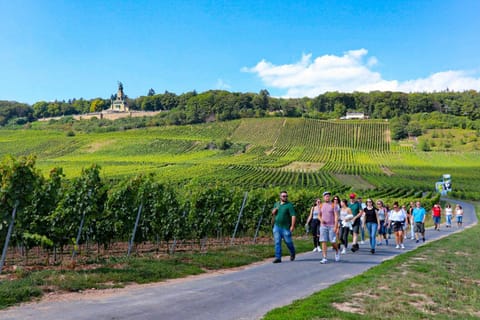
A trained culture and wine ambassador will accompany you on this fascinating, approximately three-hour tour on Saturdays from April to October through the beautiful Rü...
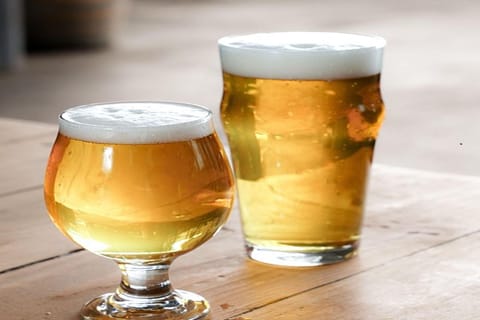
The unique taste experience with a personal touch in Rüdesheim am Rhein.
Peak wine-travel season in Rheingau is spring through autumn, with harvest the standout window.
classified-growth and grand-cru estates require booking days to weeks ahead; smaller family domaines often take walk-ins midweek.
most estates open 10:00 to 17:00 by appointment, often closed Sunday and Monday.
tipping is not expected at tastings; buying a bottle from the cellar door is the customary thank-you.
Ask the next local you meet what they would order. Rheingau rewards trust.