
Boutique Winery Tour with Wine Tasting & Food in Bologna
Enjoy a vineyard walk and taste 4 wines of the countryside winery on the hills near Bologna. Learn about winemaking traditions and pair each wine with mortadella and p...
 Ruby
· Colli Bolognesi Pignoletto DOCG · Emilia-Romagna
Pignoletto frizzante made from an early harvest to keep freshness and acidity: slight varietal aromatic character, fine perlage, intense white flowers and pear. Versatile, from aperitif to full meal.
No critic score is published for this bottle that we can cite with a reviewer, a vintage and a review year, so none is shown. The rating above is our own.
Aroma: white flowers, pear, slight varietal aromatic character
Palate: fresh, pleasant, some structure, fine perlage
Pignoletto frizzante made from an early harvest to keep freshness and acidity: slight varietal aromatic character, fine perlage, intense white flowers and pear. Versatile, from aperitif to full meal.
Enjoy a vineyard walk and taste 4 wines of the countryside winery on the hills near Bologna. Learn about winemaking traditions and pair each wine with mortadella and p...

Have a full-day experience in the heart of Emilia Romagna, where you'll tour a family-run winery and discover the local wines of the Emilia territory.
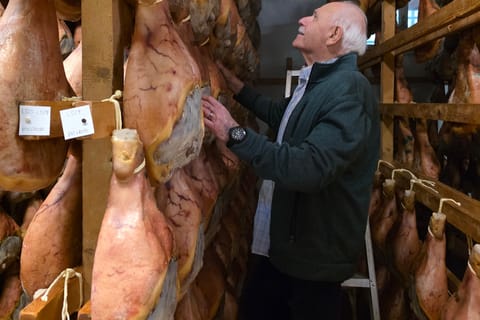
We will visit the local producers of Parmigiano Reggiano DOP, Traditional Balsamic Vinegar DOP and Modena prosciutto DOP.
Wine tastings and winery visits in Emilia-Romagna (11) · Wine tours and day trips in Emilia-Romagna (8) · Wine and cheese tastings in Emilia-Romagna (4) · Cheese tastings and dairy visits in Emilia-Romagna (22)
One of the first four Manaresi labels released between 2010 and 2011, with the Pignoletto from the hills of Zola Predosa.
On the nose, white flowers, pear, slight varietal aromatic character. On the palate, fresh, pleasant, some structure, fine perlage. Pignoletto frizzante made from an early harvest to keep freshness and acidity: slight varietal aromatic character, fine perlage, intense white flowers and pear. Versatile, from aperitif to full meal.
Vista San Luca is made from Pignoletto. It is labelled Colli Bolognesi Pignoletto DOCG.
The producer page does not state how the sparkle is produced.
Tortellini in brodo: Bologna's classic filled pasta in broth, a regional pairing for a dry fresh white. Mortadella di Bologna: Delicate pork cold cut set off by a crisp dry white or sparkling wine. Crescentine with salumi: Fried bread with cured meats, a staple of the Bolognese hills.