The iconic bottles that define Emilia-Romagna: what they are, who makes them and what they cost.

Iconic bottles of Emilia-Romagna

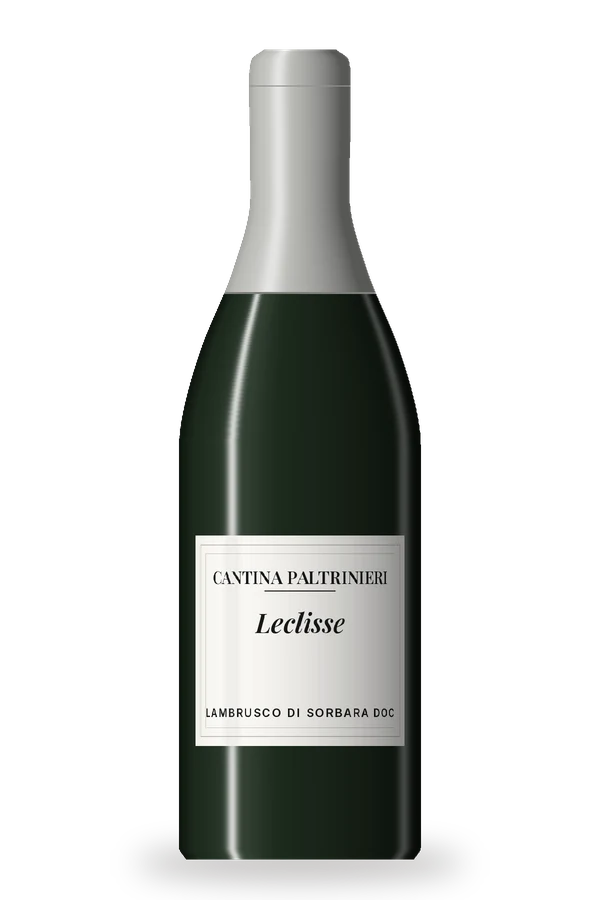
Leclisse ★ 4.2

Paltrinieridry frizzante red (tank method), Lambrusco di Sorbara DOCLambrusco di Sorbara

The selection Lambrusco di Sorbara of Cantina Paltrinieri, 100% Sorbara from the village where the family estate stands. It shows the pale, high-acid, floral side of Modena's Lambrusco.

Tasting notes: Dry frizzante Sorbara in soft powder pink with a very fine, persistent perlage: white flowers, hawthorn, red apple skin, wild strawberry and raspberry, dry and sharp with great acidity. Source: https://cantinapaltrinieri.it/products/leclisse-lambrusco-di-sorbara-doc
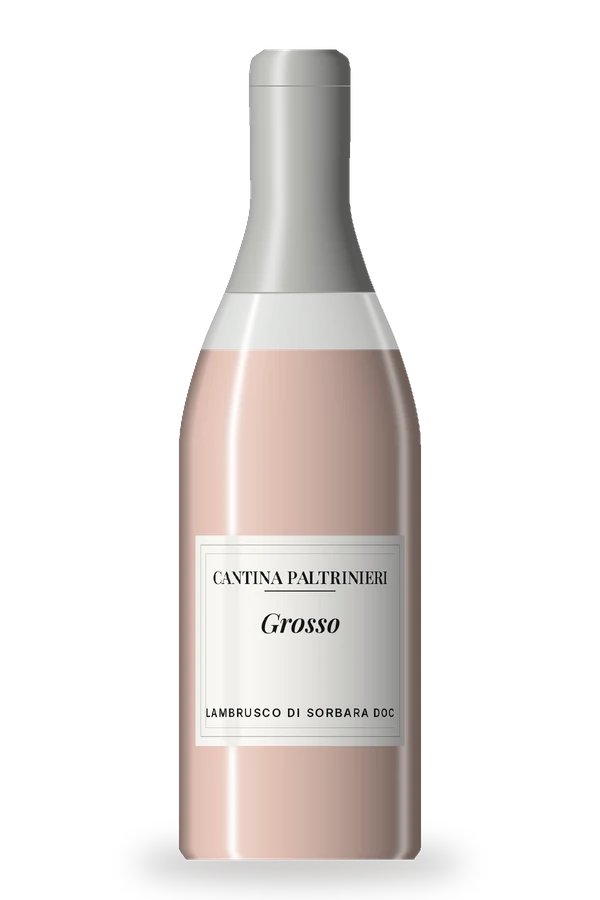
Grosso ★ 4.1

Paltrinierisparkling (traditional method, zero dosage), Lambrusco di Sorbara DOCLambrusco di Sorbara

Paltrinieri's traditional-method Sorbara, rested at least 24 months on the lees and six more in bottle. A dry sparkling red-fruited wine that shows how far Lambrusco di Sorbara can go beyond the frizzante glass.

Tasting notes: Metodo Classico Brut, zero dosage, from pure Sorbara: coppery with an onion-skin tone, toasted notes, dried fruit, green hazelnut and balsamic aromas, fresh, savoury and elegant. Source: https://cantinapaltrinieri.it/products/grosso-lambrusco-di-sorbara

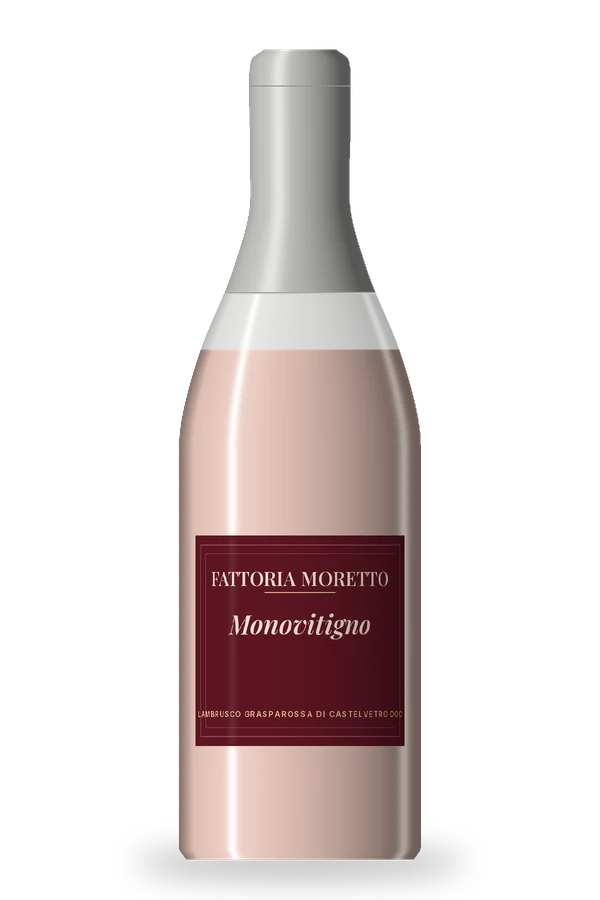
Monovitigno ★ 3.9

Fattoria Morettodry frizzante red (tank method), Lambrusco Grasparossa di Castelvetro DOCLambrusco Grasparossa

Fattoria Moretto's single-vineyard Lambrusco Grasparossa di Castelvetro, from a clonal selection over 55 years old on clay-limestone soils. The darker, more structured Lambrusco of the Castelvetro hills.

Tasting notes: Dry frizzante Grasparossa in a vivid cardinal colour: red fruit, blackberry and wild strawberry with rose and peony, aromatic herbs and minerality, savoury and fresh. Source: https://www.fattoriamoretto.it/prodotto/monovitigno/

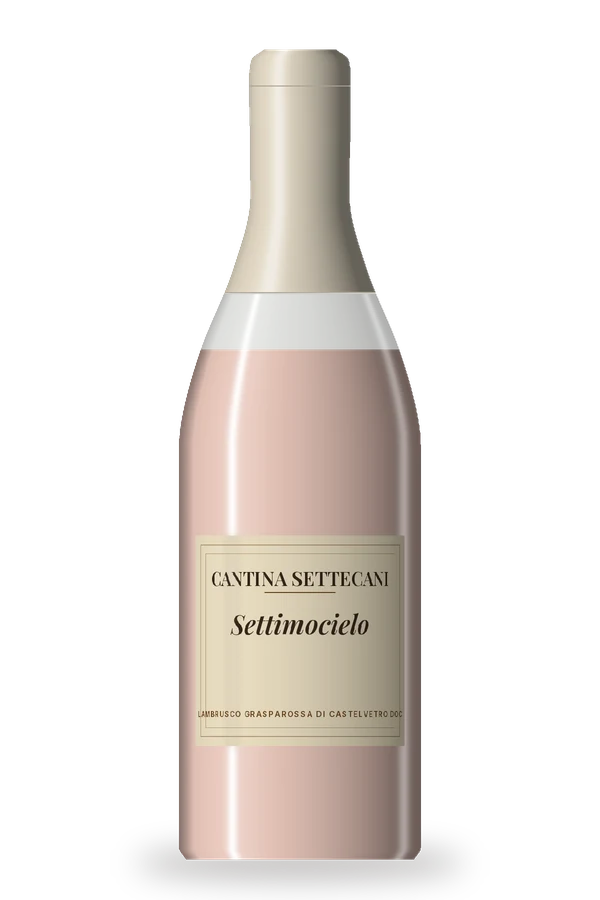
Settimocielo ★ 4.0

Cantina Settecanisparkling rose (traditional method), Lambrusco Grasparossa di Castelvetro DOCLambrusco Grasparossa di Castelvetro

Cantina Settecani's Brut Rose Metodo Classico from Lambrusco Grasparossa grown in a single vineyard at 425 metres at Puianello in Castelvetro di Modena, with 24 months on the lees.

Tasting notes: Rose Brut Metodo Classico from Grasparossa grown at 425 metres in Puianello: sour cherry and small fruits, floral touches and citrus, fine persistent bubbles in balance with acidity and savouriness. Source: https://www.cantinasettecani.it/settimocielo-metodo-classico-confezione-singola/s7373a2ee

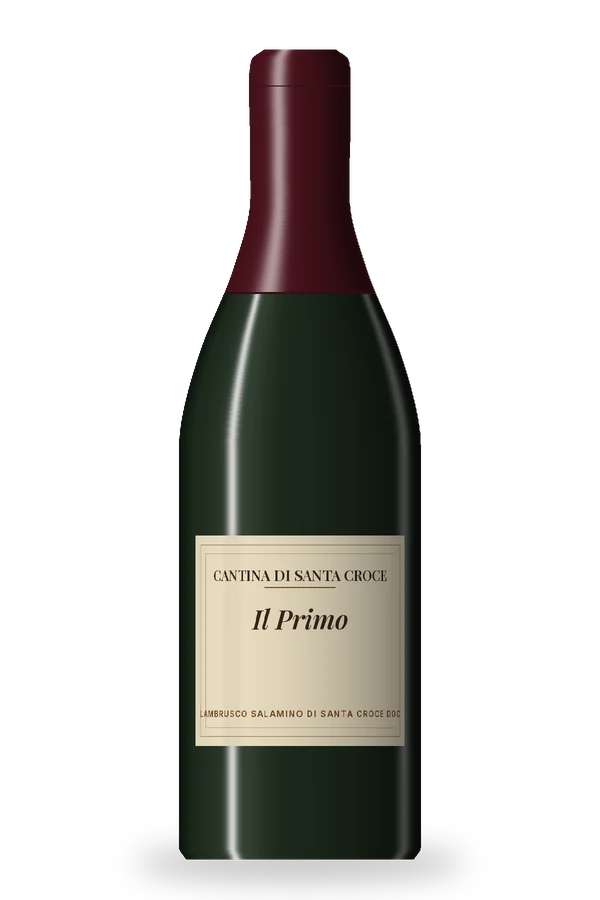
Il Primo ★ 3.8

Cantina Di Santa Crocefrizzante red (tank method), Lambrusco Salamino di Santa Croce DOCLambrusco Salamino

Cantina di Santa Croce's organic Lambrusco Salamino di Santa Croce DOC, made without added sulphites. It stands for the Salamino of the Carpi area.

Tasting notes: Limited-production organic Salamino di Santa Croce from vineyards around Carpi: ruby red with intense red-fruit scent, harmonious and soft with delicate fizz. Organic yeasts, no added sulphites. Source: https://www.cantinasantacroce.it/prodotto/lambrusco-salamino-di-s-croce-il-primo/

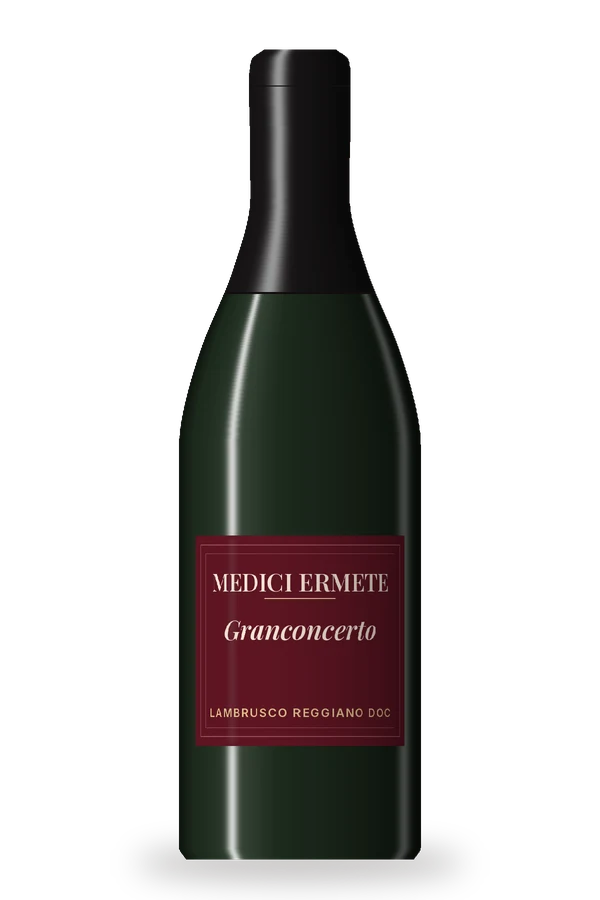
Granconcerto ★ 4.0

Medici Ermetesparkling red (traditional method), Lambrusco Reggiano DOCLambrusco Salamino

Medici Ermete's traditional-method red Lambrusco Reggiano from Salamino, made in small quantity at Tenuta La Rampata. The producer suggests it with cotechino, zampone and aged cheeses.

Tasting notes: Red Metodo Classico Brut Lambrusco Reggiano: ruby with garnet reflections, a fine creamy mousse, delicate fruit, dry and intense. 4.5 g/l sugar; 30 months on the lees. Source: https://www.medici.it/prodotti/granconcerto-2/

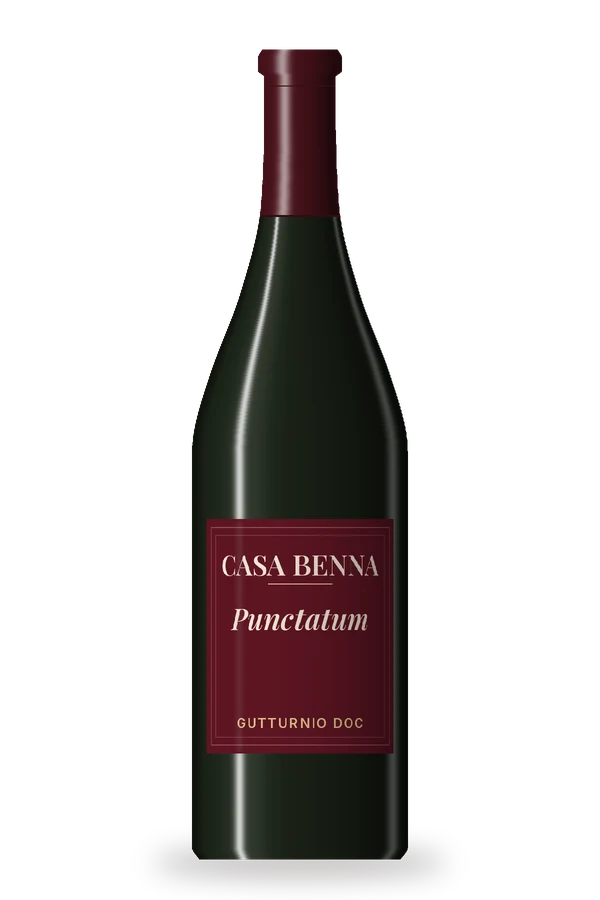
Punctatum ★ 3.9

Casa Bennastill red, Gutturnio DOCBarbera, Bonarda

Casa Benna's Gutturnio Classico Riserva DOC, Barbera and Bonarda aged 12 months in Slavonian oak, 6,400 numbered bottles. Gutturnio is the red of the Piacenza hills.

Tasting notes: Gutturnio Classico Riserva: intense ruby with plums in spirit, clove and cinnamon, dry, enveloping and round with a slight bitter aftertaste. 11 to 13 days of maceration. Source: https://www.casabenna.it/prodotto/punctatum/

Ageno ★ 4.0

La Stoppaskin-contact white, Vino BiancoMalvasia di Candia Aromatica

La Stoppa's skin-contact Malvasia, first made in 2002 and named for the founder, Giancarlo Ageno. Organically farmed, unfiltered and made without added sulphur dioxide.

Tasting notes: The estate's only dry white, 100% Malvasia di Candia Aromatica with four months on the skins, unfiltered and made with no added sulphur dioxide. Source: https://www.lastoppa.it/ageno

Vecchie Vigne ★ 4.0

Isolastill white, Colli Bolognesi Pignoletto Classico DOCGGrechetto Gentile

Azienda Agricola Isola's still Colli Bolognesi Pignoletto Classico DOCG, aged 12 months in steel, first made in 2013. The producer calls it a Pignoletto for ageing.

Tasting notes: Austere Pignoletto Classico from vines over 40 years old at 300 metres: straw yellow, intense tertiary and mineral notes, considerable structure, cutting acidity and a long finish. Source: https://aziendaagricolaisola.it/vecchie-vigne-colli-bolognesi-pignoletto-dogc-classico-docg/

Vigna Antica ★ 4.0

Tenuta Bonzarastill white, Colli Bolognesi Pignoletto Classico Superiore DOCGGrechetto Gentile

Tenuta Bonzara's Colli Bolognesi Pignoletto Classico Superiore DOCG, which the producer calls the prince of the Colli Bolognesi. From the 2023 vintage part of the fermentation moved into French oak tonneau.

Tasting notes: Pignoletto Classico Superiore picked at advanced ripeness: golden-yellow, elderflower and hawthorn then ripe white-fleshed fruit, velvety and savoury with a slightly toasted finish. Source: https://bonzara.it/i-nostri-vini/pignoletto-vigna-antica/

Scacco Matto ★ 4.4

Fattoria Zerbinasweet passito white, Romagna Albana DOCGAlbana

Fattoria Zerbina's Romagna Albana DOCG Passito, first made in 1987 according to the producer's page. The sweet face of Albana, the region's white DOCG.

Tasting notes: Candied orange peel, saffron, acacia honey and apricot; full, structured and enveloping, opulent yet fresh through a very persistent finish. Source: https://www.zerbina.com/vini/scacco-matto-ar-romagna-albana-passito-riserva-docg/

Vitalba ★ 4.2

Tre Montiskin-contact white (amphora), Romagna Albana DOCGAlbana

Tre Monti's organic Romagna Albana DOCG, born in 2013 per the producer's page. It shows Albana as a skin-contact amphora white rather than a passito.

Tasting notes: Skin-contact Albana, 100%, fermented and aged in a 470-litre Georgian kvevri. Source: https://www.tremonti.it/prodotto/vitalba/

Vigna delle Lepri ★ 4.5

Fattoria Paradisostill red, Romagna DOCSangiovese

Fattoria Paradiso's Sangiovese Riserva from the Vigna delle Lepri, first made in 1970 and aged about five years. The producer's page adds that it was served to Ronald Reagan at the Quirinale in 1982.

Tasting notes: Pipe tobacco, violet, leather and forest fruit; deep and intense without opulence. Source: https://fattoriaparadiso.com/storici/vigna-delle-lepri/

Petrignone ★ 4.3

Tre Montistill red, Romagna DOCSangiovese

Tre Monti's organic single-vineyard Sangiovese Superiore Riserva from a vineyard planted in 1968, aged in large spent casks.

Tasting notes: Described by the producer as the most saline and balsamic of its reds, and as the archetype of Romagna Sangiovese; made for ageing. Source: https://www.tremonti.it/prodotto/petrignone/

Pré ★ 4.3

Villa Papianostill red, Romagna DOCSangiovese

Villa Papiano's Romagna DOC Sangiovese Predappio, 100% Sangiovese from a vineyard planted in 1960 on sulphurous limestone soils of pozzolana origin, first made in 2018. A voice of the Predappio sub-zone.

Tasting notes: Iron and sulphur-like impressions and the fine-grained tannins typical of limestone soils; the producer calls it the marriage of power and elegance. Source: https://www.villapapiano.it/img/schede_video/eng/PRE_eng.pdf

Book wine experiences in Emilia-Romagna

Wine tastings and winery visits in Emilia-Romagna (11) · Wine tours and day trips in Emilia-Romagna (8) · Wine and cheese tastings in Emilia-Romagna (4) · Cheese tastings and dairy visits in Emilia-Romagna (22)

See all 770 bookable experiences in Emilia-Romagna

Signature Wines in Emilia-Romagna, FAQ

When is the best time to visit Emilia-Romagna for wine?

Peak wine-travel season in Emilia-Romagna is spring through autumn, with harvest the standout window.

Do I need an appointment to taste at Emilia-Romagna estates?

classified-growth and grand-cru estates require booking days to weeks ahead; smaller family domaines often take walk-ins midweek.

What hours do Emilia-Romagna cellars and tasting rooms keep?

most estates open 10:00 to 17:00 by appointment, often closed Sunday and Monday.

How does tipping work at Emilia-Romagna tastings?

tipping is not expected at tastings; buying a bottle from the cellar door is the customary thank-you.

What is the one wine to try in Emilia-Romagna?

If you only open one bottle, open Leclisse by paltrinieri. It is the wine most associated with Emilia-Romagna.

← Back to Emilia-Romagna wine guide