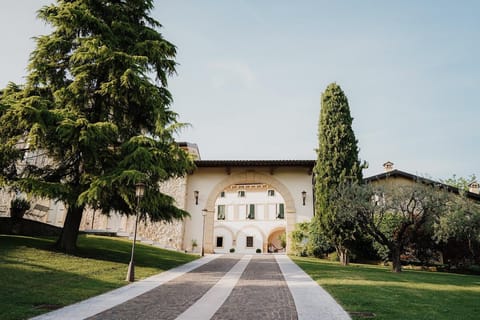
Valpolicella Classica: Visit and tasting at Corte Borghetti
Visit the vineyards and winery of Corte Borghetti and taste 5 wines in the 17th-century barrel cellar, with cold cuts and cheeses from Lessinia, extra virgin olive oil...
 Gold, deepening to amber with age
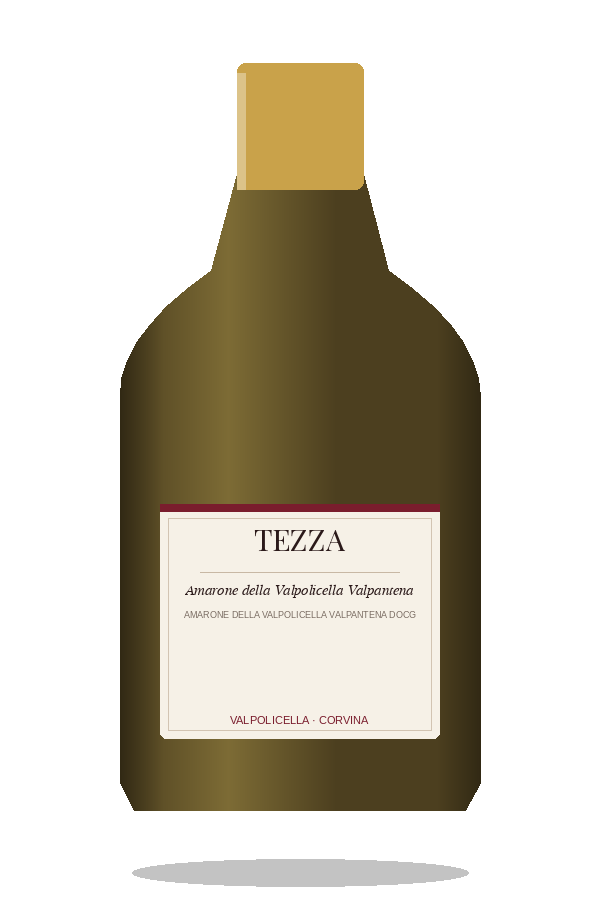
Dessert Passito · Amarone della Valpolicella Valpantena DOCG · Valpolicella
Deep ruby, with cherry conserve, vanilla, liquorice and tobacco on the nose and a warm, soft, intensely tannic palate, from organically farmed Corvina and Rondinella dried in a fruttaio at low temperature and controlled humidity.
No critic score is published for this bottle that we can cite with a reviewer, a vintage and a review year, so none is shown. The rating in the header is our own.
Aroma: cherry conserve, vanilla, liquorice, tobacco
Palate: warm soft weight, intense tannin
Deep ruby, with cherry conserve, vanilla, liquorice and tobacco on the nose and a warm, soft, intensely tannic palate, from organically farmed Corvina and Rondinella dried in a fruttaio at low temperature and controlled humidity.
Tezza's organic Amarone comes from the Valpantena, picked in September and October and dried in a fruttaio at low temperature and controlled humidity before four years in the estate's own cellar.
The estate reports a deep ruby colour, a nose of cherry conserve, vanilla, liquorice and tobacco, and a warm, soft and intensely tannic palate. It recommends serving at 16 degrees Celsius.
Yes. The estate labels this Amarone biologico.
Forty-eight months in the estate's own cellar, after drying in a fruttaio at low temperature and controlled humidity.
Visit the vineyards and winery of Corte Borghetti and taste 5 wines in the 17th-century barrel cellar, with cold cuts and cheeses from Lessinia, extra virgin olive oil...

Embark on an immersive experience in Valpolicella and discover the history, art, vineyards and excellent contemporary wines on a tour of Tenuta Santa Maria owned by Gi...
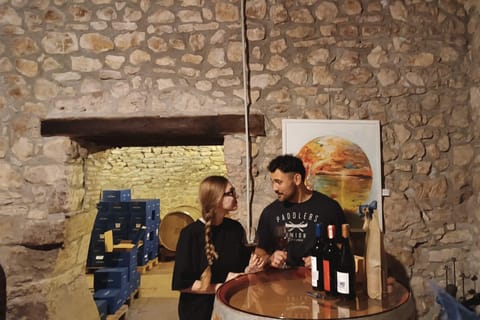
A "well-rounded" tasting of Valpolicella wines: 5 wines that will give you an overview of our production and introduce you to the particularities of the typical varieties