

San Floriano del Collio: Winery Tour With 4 Wine Tastings
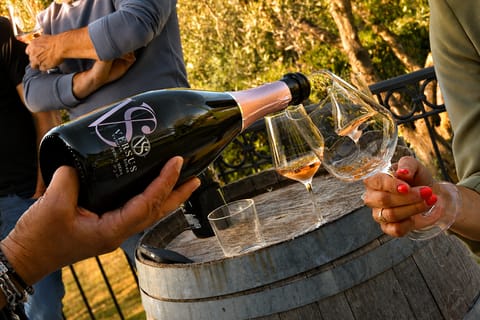
Experience at the Valleris winery in the heart of the Collio, with a visit to the wine-making areas and a guided tasting of 4 wines.
11 editor-picked estates growing Cabernet Sauvignon in Brda.

Where to taste Cabernet Sauvignon in Brda: the estates that grow it, how the region expresses the grape, and how to book a visit.
The cellar
7 bottles with at least 15% Cabernet Sauvignon in the blend.
Experience at the Valleris winery in the heart of the Collio, with a visit to the wine-making areas and a guided tasting of 4 wines.
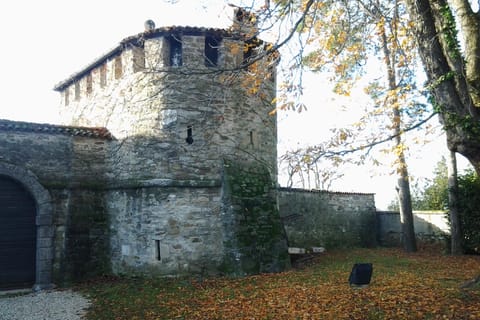
Embark on a 3-day tour of San Floriano del Collio, and explore the city of Gorizia and Trieste. Visit San Floriano and Gorizia castle, and enjoy a wine tasting in a lo...
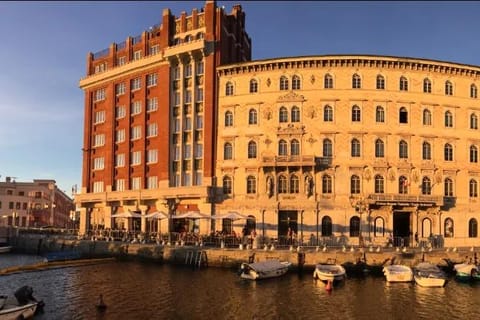
Stroll among the iconic sites of Trieste with an Italian-speaking guide. Discover canals, historic churches, medieval streets, and views of the sea.
Ceglo estate farming 14 hectares and releasing about 55,000 bottles a year. Marko Skočaj took over in 1986 and put the Dolfo label, his grandfather's name, on the first bottles in 1989.
Tip: The cellar was built with its own tasting room, so visits happen where the wine is made rather than in a separate shop.
Medana cellar that first bottled in 1989 and adopted the peacock label a year later. The range splits into Classic, Pavó, Artwork and Curioso lines across seven Classic wines.
Tip: The estate lists three Decanter World Wine Awards medals for its Chardonnay: silver for 2013 and 2011 and bronze for 2009.
The Dobrovo cooperative cellar, built in 1957 and owned outright by its members. It works 1,400 hectares of vineyard for 400 grower families and ships to 26 countries.
Tip: A self-guided tasting of 24 samples costs 20 euros and runs weekday afternoons at 13:00 or 14:30, with a guided cellar walk at 14:30.
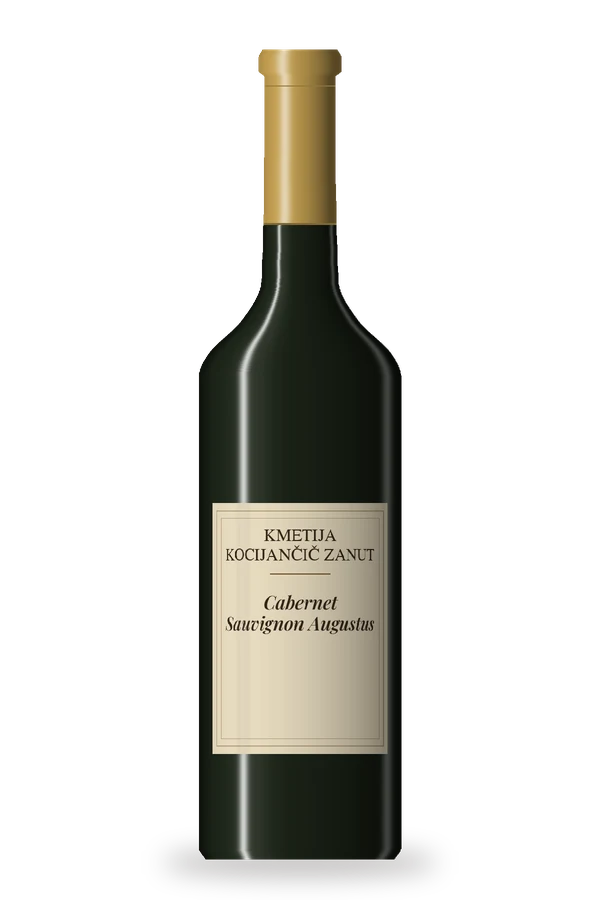
Neblo farm run by Franc and Borut Kocijančič on seven hectares at 75 to 160 metres, mostly terraced. Output is about 50,000 bottles from two red and six white varieties.
Tip: The Brjač vineyard is picked last, in the final days of October, and feeds the Merlot Brjač bottling.
Cellar at Gonjače named for the owner's great-grandfather. Matjaž Četrtič began working the family vineyard in 1992 and built the house around Rebula.
Tip: Three ranges sit side by side: Klasična for varietal wines, Época for the skin-contact bottlings including Amber Gris, and Brutus for the sparkling.
Plešivo family farm working nine hectares on both sides of the border, with spontaneous ferments and macerations and a stated focus on Rebula, Sauvignonasse and Malvazija.
Tip: The tasting room seats twelve indoors and ten outside, so groups need to call ahead rather than turn up.
Kozana cellar with organic growing and two guest rooms, looking north across the hills from Gredič to Šmartno. Tastings run at five or ten wines with local snacks.
Tip: Only two double rooms, with a two-night minimum from May to September, so book well before harvest season.
Vipolže farm that dates its winegrowing to 1923, when Valentin Keber and Andrej Benedetič bought the Brgolišče plot. Ten hectares now sit across twelve separate sites.
Tip: Cherries and olive oil are sold alongside the wine, and the tasting hall looks straight out over the hills.
Former Thurn-Taxis farm at Pristavo, now the Erzetič family's, farming 15 hectares of terraced marl. The Donna Regina traditional-method sparkling has been made since 1994.
Tip: The estate dates its winegrowing to 1767 and leans on the local trio of Rebula, Sauvignonasse and Malvazija.
Family estate at Gonjače pouring Sauvignon Blanc, Cabernet Sauvignon and a sparkling white, with cellar tours and seven hectares of Brda fruit trees alongside the vines.
Tip: The tasting room takes thirteen indoors and fifty outside, so summer groups are seated in the open.
Marko Skočaj built a tasting room into the new Dolfo cellar at Ceglo, so visits happen beside the tanks rather than in a separate shop.
Tip: The Dolfo name comes from Skočaj's grandfather, who gave it to the label when bottling started in 1989.
Wine and cheese