The cheeses made in and around Priorat: the protected names first, then the local cheeses people actually eat, with their milk, rind, ageing and taste.

The cheeses of Priorat

Mató

Goat and cow and sheep milkFresh

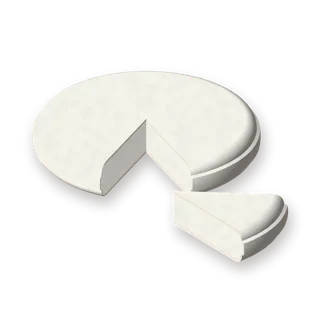
A fresh, unsalted Catalan cheese made from whole milk heated much harder than for other cheeses, so the whey proteins set in the curd: ACREFA says above 85 degrees C, Catalan Wikipedia 80 to 95 degrees for one to three minutes. ACREFA says it was historically goat's milk and is now replaced by cow's. The name appears in the medieval Sent Soví cookbook, and mató with honey is a classic Catalan dessert. Its heartland is central Catalonia; in the Priorat, the Pizarro family has made mató at its dairy in Cornudella de Montsant since 1996, according to the comarca's tourist board.

Taste: Catalan Wikipedia describes a milky, mild, moist taste with a short finish and a granular or gelled texture. ACREFA calls the colour clearly white, with no special smell, a delicate moist taste recalling milk, and a soft, light texture.

Ageing: Not aged; keep at 2 to 5 degrees and eat within four or five days, according to ACREFA

Made in: Traditionally central Catalonia: an arc of about 100 km around Barcelona taking in Bages, Osona, the south of Berguedà and the upper parts of the Penedès, Anoia and Vallès, according to ACREFA. In the Priorat it is made at Cornudella de Montsant, according to the comarca's tourist board

Which local wines to drink with them →

Book wine experiences in Priorat

See all 198 bookable experiences in Priorat

Cheeses in Priorat, FAQ

What is mató?

A fresh Catalan cheese made with whole milk, heated hard and eaten within days. Catalan Wikipedia says it is white or yellowish white and bright, with a granular or gelled texture, and a milky, mild taste.

How is mató usually eaten?

ACREFA says it is usually eaten as a dessert or between meals, with honey, sugar, jam, sweet fruit or nuts, or with a sweet liqueur or spirit to bring out its sweetness. Catalan Wikipedia calls mel i mató a simple Catalan dessert of a slice of cheese with honey.

Is mató a protected cheese?

Not yet. Catalan Wikipedia says the Catalan agriculture department and the mató makers' association are promoting a Protected Geographical Indication for it.

Is mató made in the Priorat?

The Priorat tourist board says the Pizarro family's dairy in Cornudella de Montsant has made fresh cow's cheese and mató since 1996. Formatgeria Linens of Bellmunt del Priorat lists a mató of pasteurised organic goat's milk, in 250 g tubs, in its online shop.

← Back to Priorat wine guide