Antichi Sapori di Pienza ★ 4.1
Zazzeri family shop on Corso il Rossellino selling fresh and aged Pecorino di Pienza, Cinta Senese salumi, wine and olive oil, with an online shop for orders.
The fromageries and cheese counters in Tuscany worth a stop.
A guide to cheese shops in Tuscany.
Zazzeri family shop on Corso il Rossellino selling fresh and aged Pecorino di Pienza, Cinta Senese salumi, wine and olive oil, with an online shop for orders.
The Grosseto shop of Caseificio Il Fiorino, opened in October 2024 on about 130 square metres, with its whole cheese range, fresh ricotta, cured meats, wine and craft beer.
Bottega of the Pieragnoli dairy and salumeria at Vaiano, open weekdays and Saturday morning. The house catalogue covers cheeses, pecorini, cured meats, pasta, wine and oil.
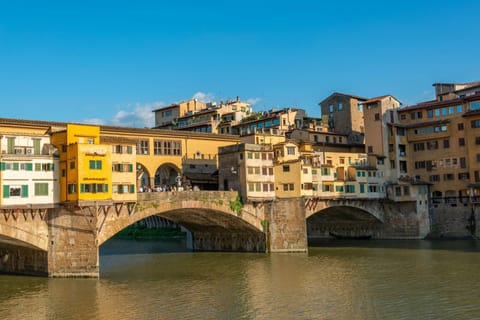
Enjoy a wine tasting experience in Florence at a charming enoteca near Ponte Vecchio. Savor a selection of local wines paired with a platter of regional cured meats an...
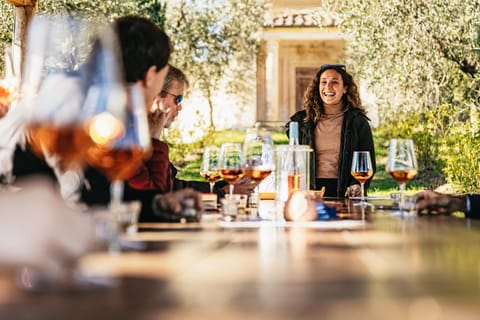
Depart from Florence to eat and drink your way through Chianti, famous for red wines, cuisine, and stunning landscapes. Enjoy a Tuscan lunch or dinner and wine-tasting...

Ride through the Tuscan countryside on a guided horseback ride. Savor a traditional lunch and wine tasting at a local estate. Depart from Florence or San Gimignano for...
Fresco must age at least 20 days and stagionato at least 4 months, according to the Qualigeo product sheet.
Mostly, but the DOP area also covers bordering communes in the Viterbo province of Lazio and the Perugia and Terni provinces of Umbria.
Qualigeo describes the taste as sweet, never salty or spicy, and credits a salting much shorter than other pecorini: on average about 16 hours for a fresco and about 24 hours for a stagionato.
Italy recognised Pecorino Toscano as a denominazione di origine by presidential decree on 17 May 1986, and the EU registered it as a DOP in 1996.
Fresco from 7 to 44 days, semistagionato from 45 days to 6 months, stagionato from 6 to 12 months and da asserbo over 12 months.
0.6 to 2 kg for the fresco, semistagionato and stagionato, and up to 7 kg for the da asserbo.
Raw whole sheep's milk from Sardinian-breed sheep, with vegetable rennet.
Italian sources link the name to March (marzo), when spring milk and production traditionally began. Production at Chianti dairies is said to run from November to June.