Maison Noilly Prat ★ 4.7
Maison Noilly Prat, founded 1813 in Marseillan on the Etang de Thau, the original French dry vermouth. Tours of the cellars and the outdoor enstreau cask ageing are open March to November.
Where the region overlaps spirits: distilleries and tasting bars in Languedoc.
A guide to distilleries in Languedoc.
Maison Noilly Prat, founded 1813 in Marseillan on the Etang de Thau, the original French dry vermouth. Tours of the cellars and the outdoor enstreau cask ageing are open March to November.
Antoine Restencourt's artisanal Cevennes distillery in Les Salles-du-Gardon, producing the only single malt whisky from the Cevennes plus a pastis, finished in chestnut and rum casks.
Artisanal Camargue distillery founded 2024 by Frederi and Pascal Sauvaire in Aigues-Mortes, building an organic Oruza spirits range around Camargue rice on a 600-litre copper still.
Cooperative distillery at La Prade in Sigean producing the Fine du Languedoc grape brandy, marcs from Languedoc varietals and fruit eaux-de-vie distilled from southern French orchards.
Cevennes distillery founded 1992 by Evelyne and Pierre Crouzier on the southern Gard plateau and taken over in 2017 by biochemist Pierre Boccon-Gibod with Helio Carli and Hannibal Andre.
Cazilhac distillery operating since 1930 as the last cade oil producer in Europe, distilling Mediterranean juniper into traditional cade oil and natural skincare distillates at the southern Cevennes edge.

In a typically Mediterranean landscape, discover two of the region’s greatest treasures on this unforgettable half-day experience combining fine wines, fresh oysters, ...

Discover the wines of Languedoc with a tasting and a fun wine quiz 5:30 PM - 7:30 PM
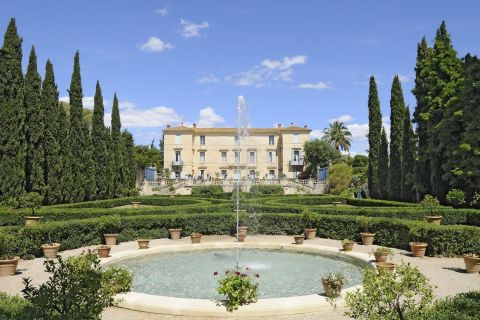
During this tour you will visit two wine estate châteaux and taste their excellent range of wines.
Peak wine-travel season in Languedoc is spring through autumn, with harvest the standout window.
classified-growth and grand-cru estates require booking days to weeks ahead; smaller family domaines often take walk-ins midweek.
most estates open 10:00 to 17:00 by appointment, often closed Sunday and Monday.
tipping is not expected at tastings; buying a bottle from the cellar door is the customary thank-you.
Ask the next local you meet what they would order. Languedoc rewards trust.