The cheeses made in and around Sussex: the protected names first, then the local cheeses people actually eat, with their milk, rind, ageing and taste.

The cheeses of Sussex

Sussex Slipcote

Sheep milk, pasteurisedFresh

A fresh, soft sheep's milk cheese, usually round and very soft. Wikipedia says Slipcote has been made in England since the Middle Ages, and gives two readings of the name: an old English word for a little piece of cottage cheese, as High Weald Dairy explains it, or a cheese that slips out of its rind as it matures. Today it is made by High Weald Dairy at Horsted Keynes from organic pasteurised sheep milk and sold fresh, as 100 gram buttons or as logs, plain or flavoured with garlic and herb or with dill.

Taste: Light, creamy and fluffy, melting in the mouth, with a slightly sharp, lemony, refreshing flavour. High Weald Dairy rates it mild, 1 on its strength scale, and says it is often enjoyed on crusty bread or crumbled over pasta dishes.

Ageing: Fresh cheese, not matured

Made in: West Sussex; the dairy that sells it under this name is High Weald Dairy at Horsted Keynes
Which local wines to drink with them →

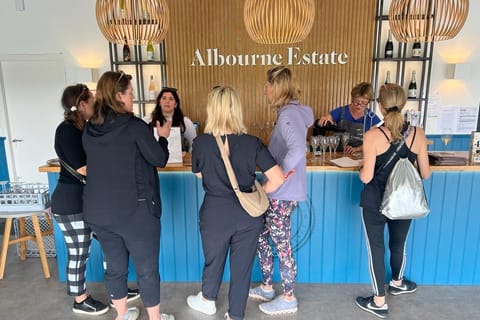
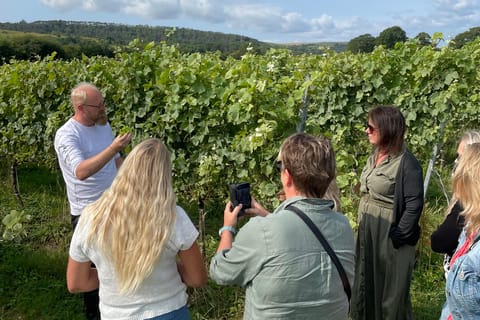
Book wine experiences in Sussex

See all 86 bookable experiences in Sussex

Cheeses in Sussex, FAQ

What does slipcote mean?

High Weald Dairy gives it as an old English word meaning a little (slip) piece of cottage (cote) cheese. Wikipedia adds a second explanation, that the cheese tends to slip out of its rind while maturing.

Where is Sussex Slipcote made?

At High Weald Dairy on Tremains Farm, Horsted Keynes, in West Sussex, from organic sheep milk. The dairy has a small shop on the farm, open on weekdays.

How is Sussex Slipcote sold?

High Weald Dairy's product page lists it as a button or a log, plain or flavoured with garlic and herb or with dill, and says its buttons are 100 grams.

← Back to Sussex wine guide