When to visit Valpolicella: harvest, en primeur and the calendar that shapes a cellar visit.
Spring
- March, bud break on the terraces (March):
Buds break on the pergola and Guyot rows through March. Cellars are quiet, tasting rooms are easy to book, and the previous vintage of Valpolicella Classico starts appearing on shelves.
What to taste: ['Freshly released Valpolicella Classico DOC', 'Valpolicella Classico Superiore from the previous vintage', 'White Garganega and Lugana from estates that make both']
- April, Vinitaly and the ripasso (April):
Verona fills for Vinitaly, with Vinitaly and the City spilling into the historic centre. In the cellars April is when the base Valpolicella goes back onto the pressed Amarone skins.
What to taste: ['Valpolicella Ripasso Classico Superiore', 'Amarone della Valpolicella poured across the Vinitaly halls', 'Recioto at the consortium stand']
- May, flowering in the Classico valleys (May):
Flowering runs through May and the valleys are at their greenest. The terraced walks above Negrar, Marano and Fumane are comfortable, and estates start opening outdoor tasting spaces.
What to taste: ['Valpolicella Classico served cool', 'Valpolicella Superiore from a lighter vintage', 'Chiaretto and rosato from estates that make one']
Summer
- June, green harvest and music in the cellars (June):
Growers thin the crop in June, since the Amarone rules cut the usable fruit to under 65 percent of the maximum yield. Villa Spinosa hosts the international chamber music festival in its cellar and garden.
What to taste: ['Valpolicella Classico with river fish', 'Villa Spinosa Albasini Amarone at the estate', 'Recioto served chilled after dinner']
- July, veraison and evening tastings (July):
Colour comes into the Corvina and Corvinone bunches through July. The valleys are hot at midday, so tastings move to the evening and terrace tables at the estates fill after eight.
What to taste: ['Valpolicella Classico served at cellar temperature', 'Traditional-method sparkling from estates that make one', 'Lugana from the Villa Della Torre range']
- August, the pause before the pick (August):
August is the quietest month in the cellars. Several family estates close for two weeks, the fruttai are being cleaned and prepared, and the valley waits for the first Corvina to come in.
What to taste: ['Older Amarone vintages from estate libraries', 'Valpolicella Superiore with cold cuts', 'Recioto with fresh cherries from Marano']
Autumn
- September, harvest and the fruttaio filling (September):
Picking starts in September and the best bunches go straight to the drying racks rather than the press. San Pietro in Cariano holds La Vendemmia in Valpolicella at Corrubbio, and Buglioni open the picking to visitors.
What to taste: ['Must straight from the press at the cellar door', 'Valpolicella Ripasso with the harvest lunch', 'Amarone from the estate library']
- October, the drying lofts at work (October):
The racks are full and the fruttai are ventilated day and night. Olive picking overlaps in the Classico valleys, and cellars run tours that take in the drying rooms as well as the casks.
What to taste: ['Amarone tasted beside the drying racks', 'Valpolicella Ripasso with roast chestnuts', 'New-pressed olive oil with the tasting board']
- November, new releases and truffle season (November):
The young Valpolicella of the vintage goes into bottle while the dried fruit keeps losing weight upstairs. Black truffle from the Lessinia hills starts appearing on Valpolicella restaurant menus.
What to taste: ['Valpolicella DOC from the vintage just made', 'Amarone Riserva with braised beef', 'Recioto with Monte Veronese cheese']
Winter
- January, pruning and the Amarone preview (January):
Pruning runs through the terraces while the drying lofts empty. At the end of the month the consortium shows the newest Amarone millesimo at Amarone Opera Prima, in the Gallerie Mercatali of Veronafiere.
What to taste: ['The Amarone millesimo shown at Amarone Opera Prima', 'Valpolicella Classico Superiore from the last release', 'Recioto della Valpolicella with the winter cheese board']
- February, pressing the dried fruit (February):
By February most fruttai have given up their fruit. The bunches have spent 100 to 120 days on the racks and lost about half their weight, and the presses run on concentrated must that ferments slowly in the cold cellar.
What to taste: ['Amarone della Valpolicella Classico from a mature vintage', 'Valpolicella Ripasso with braised meats', 'Recioto with a slice of pandoro']
- December, the fruttai at their fullest (December):
Around a hundred days into the drying, the racks are at their most striking and the first pressings of the dried fruit begin. Verona runs its Christmas markets, and Recioto comes out with pandoro.
What to taste: ['Recioto della Valpolicella with pandoro', 'Amarone Classico Riserva at the fireside', 'Valpolicella Ripasso with pastissada']
Book wine experiences in Valpolicella
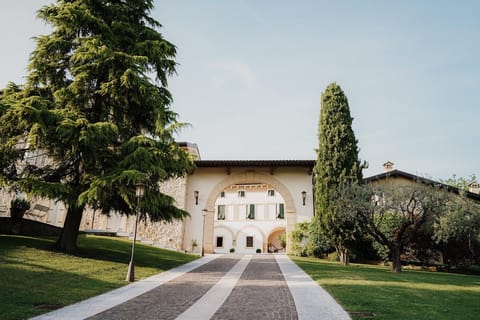
Guided tour2 hours5.0 from 9 reviewsfrom €50
Visit the vineyards and winery of Corte Borghetti and taste 5 wines in the 17th-century barrel cellar, with cold cuts and cheeses from Lessinia, extra virgin olive oil...

Guided tour1h 30m4.6 from 205 reviewsfrom €36
Embark on an immersive experience in Valpolicella and discover the history, art, vineyards and excellent contemporary wines on a tour of Tenuta Santa Maria owned by Gi...
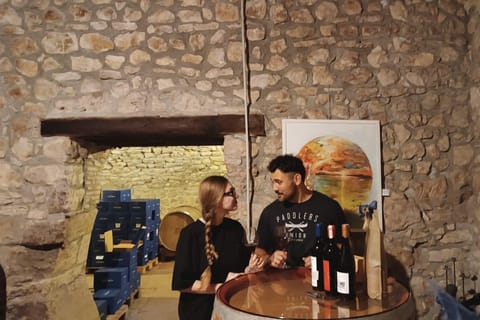
Guided tour1h 30m5.0 from 10 reviewsfrom €25
A "well-rounded" tasting of Valpolicella wines: 5 wines that will give you an overview of our production and introduce you to the particularities of the typical varieties
See all 82 bookable experiences in Valpolicella
Seasonal in Valpolicella, FAQ
When is the best time to visit Valpolicella for wine?
Peak wine-travel season in Valpolicella is spring through autumn, with harvest the standout window.
Do I need an appointment to taste at Valpolicella estates?
classified-growth and grand-cru estates require booking days to weeks ahead; smaller family domaines often take walk-ins midweek.
What hours do Valpolicella cellars and tasting rooms keep?
most estates open 10:00 to 17:00 by appointment, often closed Sunday and Monday.
How does tipping work at Valpolicella tastings?
tipping is not expected at tastings; buying a bottle from the cellar door is the customary thank-you.
What is the one wine to try in Valpolicella?
Ask the next local you meet what they would order. Valpolicella rewards trust.