When to visit Tokaj: harvest, en primeur and the calendar that shapes a cellar visit.
Spring
- Spring primary tasting season, March-April (March):
March and April mark the opening of the primary tasting season at Tokaj estates. After the winter bottling period, the new vintage of dry Furmint and Szamorodni száraz (dry) is typically released, and cellar doors reopen for appointments. The spring season coincides with the Buda and Pest restaurant wine list updates, when Budapest sommeliers travel to the Hegyalja to taste new releases. The weather is mild and the hills are in early bud-break, making it ideal for vineyard walks.
What to taste: ['New vintage dry Furmint', 'Szamorodni száraz (dry)', 'Late Harvest white']
- Tokaji Borfesztivál (Tokaj Wine Festival), late May (May):
The Tokaj Wine Festival takes place in late May in the historic wine town of Tokaj at the confluence of the Tisza and Bodrog rivers. The event presents the region's producers to domestic and international visitors, with a strong focus on Aszú and Szamorodni as well as the growing dry Furmint category. The festival location in Tokaj town includes walks through the historic Rákóczi Cellar complex beneath the town centre.
What to taste: ['Tokaji Aszú 5 puttonyos', 'Szamorodni édes', 'Dry Furmint', 'Pezsgő (Tokaj sparkling)']
- Aszú barrel release for trade, spring following harvest (April):
Tokaji Aszú must spend a minimum of 18 months in oak casks followed by bottle ageing before release. The main trade and press tastings of newly released Aszú vintages occur in April and May, typically 18 to 36 months after the harvest, depending on the producer's style. Leading importers and buyers from London, New York and Tokyo converge on the Hegyalja and Budapest for these release tastings; it is the equivalent of Bordeaux en-primeur week for the Tokaj trade.
What to taste: ['Tokaji Aszú 5 puttonyos (newly released vintage)', 'Single-vineyard Aszú from Mád', 'Eszencia (rare, by appointment)']
Summer
- Summer cellar and heritage season, July-August (July):
July and August bring the main tourist season to the Tokaj wine region, with visitors from Budapest and Central Europe exploring the cellar villages of Hercegkút, Tarcal and Tokaj town.
What to taste: ['Chilled dry Furmint as a summer aperitif', 'Szamorodni száraz served cool', 'Tokaj Pezsgő sparkling']
Autumn
- Mádi Bornapok (Mád Wine Days), late September (September):
Mád, the spiritual heart of top-tier Tokaj viticulture, hosts the Mádi Bornapok festival in late September, just before harvest begins. The village's leading estates open their cellar doors simultaneously, and the event draws wine professionals and consumers from Budapest and abroad. New vintages are poured, and the village streets fill with producer stands. The festival coincides with the peak of the Furmint vine's pre-harvest ripening, making vineyard walks particularly vivid.
What to taste: ['Single-vineyard dry Furmint from Mád estates', 'Furmint Szamorodni édes (sweet)', 'Hárslevelü dry']
- Aszú berry-picking season, early October (October):
The most labour-intensive and extraordinary moment in the Tokaj wine calendar is the selective hand-picking of individual botrytised Aszú berries from the vineyard.
What to taste: ['Tokaji Aszú 5 puttonyos (current vintage if released)', 'Szamorodni édes (sweet)', 'Aszú barrel sample']
- Szamorodni harvest season, September-October (September):
Szamorodni, meaning 'as it grew' in Polish, is harvested as whole bunches without selective Aszú berry selection; whatever proportion of botrytised grapes happens to be on the cluster is included.
What to taste: ['Szamorodni száraz (dry)', 'Szamorodni édes (sweet)', 'Tokaj Late Harvest Furmint']
- Dry wine harvest, September (September):
The dry Furmint and Hárslevelü harvest begins in early to mid September, ahead of the Aszú berry selection. The grapes destined for Szamorodni are harvested next as whole clusters in mid September.
What to taste: ['Freshly pressed Furmint grape must (at cellar doors)', 'Previous vintage dry Furmint compared to the new barrel sample']
- Tarcal Borünnep (Tarcal Wine Festival), autumn (October):
Tarcal, the village immediately east of Tokaj town and home to Disznókő and other major estates, hosts the Tarcal Borünnep wine festival in late September or early October.
What to taste: ['Tarcal-terroir Furmint', 'Disznókő dry and sweet ranges', 'Aszú from Tarcal producers']
- Tokaji Borvidék Ünnepe (Tokaj Wine Region Day), autumn (October):
The Tokaj Wine Region Day is an annual celebration coordinated across the 27 villages of the Tokaj Hegyalja PDO, recognising the collective heritage and contemporary achievement of the wine region.
What to taste: ['Regional breadth across all 27 villages', 'Heritage Aszú from multiple producers', 'Dry Furmint comparison across terroirs']
Winter
- Furmint February, Budapest dry wine season (February):
Each January and February, Budapest wine bars, restaurants and the Tokaj region itself run the Furmint February campaign promoting dry Furmint as an internationally recognised dry white wine.
What to taste: ['Dry Tokaji Furmint', 'Single-vineyard Furmint from Mád', 'Hárslevelü dry white', 'Szamorodni száraz']
- VinCE Budapest wine trade fair, January (January):
VinCE Budapest is Hungary's largest annual wine trade fair, held at the SYMA Hall in Budapest in mid to late January. Tokaj producers take a significant presence at the fair, making it the first major annual platform to taste the Tokaj portfolio across all styles. Trade buyers, journalists, importers and consumers attend; the fair typically spans three days and includes masterclasses on Furmint, Aszú and the broader Hungarian wine landscape.
What to taste: ['Dry Furmint across producers', 'Aszú 5 puttonyos across producers', 'Szamorodni száraz comparison', 'Hungarian Pezsgő sparkling']
Book wine experiences in Tokaj
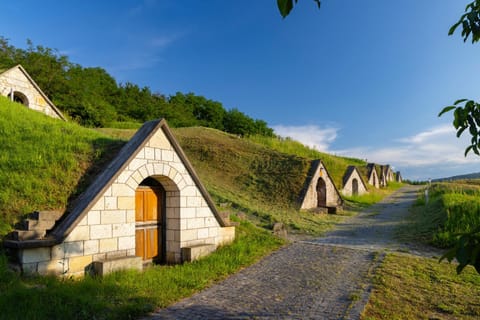
Guided tour2 hours4.5 from 6 reviewsfrom Ft 9,590
Discover a family winery in Tokaj's UNESCO World Heritage cellar village. Explore a hand-built cellar, enjoy a 6-wine tasting including Tokaji Aszú, and an optional ch...
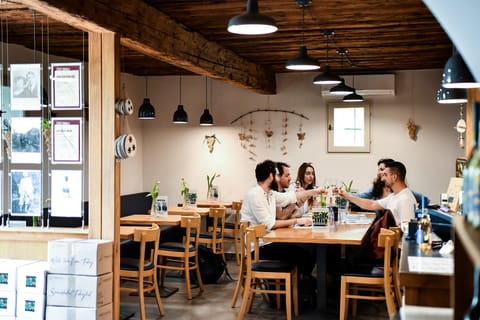
Guided tour1.5 hours4.8 from 84 reviewsfrom Ft 9,900
Discover Tokaj, the most famous Hungarian wine region. Visit a family-owned winery and enjoy a wine tasting.
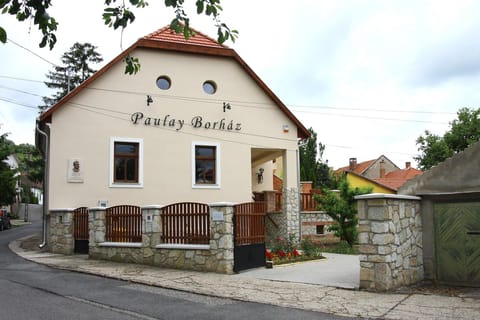
Guided tour1.5 hours5.0 from 1 reviewfrom Ft 9,900
Sample local wines at the Paulay Borház in Tokaj. Taste 3 dry wines, 2 sweet wines, and a 6 puttonyos Tokaji Aszú, paired with snacks, and learn about the history of t...
Wine tours and day trips in Tokaj (11)
See all 21 bookable experiences in Tokaj
Seasonal in Tokaj, FAQ
When is the best time to visit Tokaj for wine?
Peak wine-travel season in Tokaj is spring through autumn, with harvest the standout window.
Do I need an appointment to taste at Tokaj estates?
classified-growth and grand-cru estates require booking days to weeks ahead; smaller family domaines often take walk-ins midweek.
What hours do Tokaj cellars and tasting rooms keep?
most estates open 10:00 to 17:00 by appointment, often closed Sunday and Monday.
How does tipping work at Tokaj tastings?
tipping is not expected at tastings; buying a bottle from the cellar door is the customary thank-you.
What is the one wine to try in Tokaj?
Ask the next local you meet what they would order. Tokaj rewards trust.