Note: Tokaj Aszú is botrytised, not fortified ★ 3.8
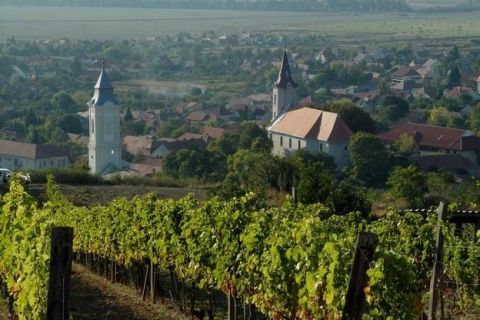
Tokaj wine region
Tokaj does not produce fortified wines in the Port or Sherry sense. Tokaji Aszú achieves its sweetness through botrytised berry concentration and extended barrel ageing, not through spirit addition.
Wine focus: Tokaji Aszú 5 puttonyos as closest equivalent to heritage fortified-style richness
Tip: Ask specifically for an Aszú 5 puttonyos or Eszencia pour when seeking the most concentrated and complex Tokaj experience; these are the functional analogues to aged tawny Port or Amontillado Sherry in the dessert-wine spectrum.
Gombos-hegyi cellar late evening tours, Hercegkút ★ 4.9
Hercegkút
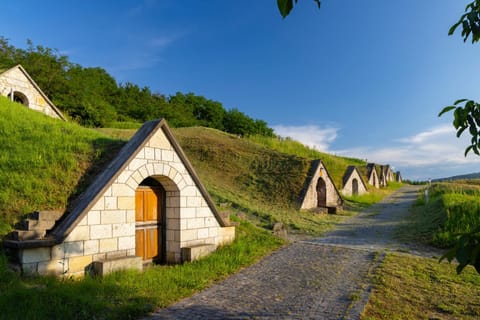
On festival evenings and in the summer season, the Gombos-hegyi cellar street in Hercegkút operates after-sunset tours where individual cellar owners illuminate their cellars with candles and lanterns for late-evening Aszú tasting. The cellar street stays active until 22:00-23:00 on festival nights, with the volcanic-tuff cellar walls amplifying the atmosphere.
Wine focus: Heritage cellar Aszú, Szamorodni by the glass from individual cellar owners
Tip: The later the hour, the quieter the crowd; arriving after 20:00 gives a more intimate encounter with the cellar owners compared to the afternoon tourist rush.
Disznókő private late cellar tasting ★ 4.8
Tarcal
Disznókő offers private after-hours cellar tastings for premium group bookings, descending into the underground barrel cellar after the standard day programme has ended.
Wine focus: Disznókő Aszú vertical, Eszencia, Szamorodni száraz
Tip: The after-hours private cellar experience requires a minimum group and carries a premium price; contact Disznókő's hospitality office to discuss options. The cellar temperature year-round is 12°C; bring a layer.
Royal Tokaji late harvest cellar experience ★ 4.7
Mád
Royal Tokaji's cellar complex in Mád includes a visitor hall where group tastings extend into the late afternoon and early evening in the summer season.
Wine focus: Royal Tokaji single-vineyard Furmint, Aszú 5 puttonyos, Late Harvest
Tip: Book the extended cellar and vertical tasting format; it runs 2.5 hours and covers more of the estate's range than the standard 90-minute visit.
Sárospatak castle cellar late tasting ★ 4.4
Sárospatak
The Sárospatak castle cellar operates extended evening tasting sessions during festival periods and summer tourism season. The cellar's historical connection to the Rákóczi family wine trade makes it a uniquely atmospheric venue for a late-evening Aszú tasting, pairing heritage context with the produced wine.
Wine focus: Rákóczi-adjacent Aszú and Szamorodni from Sárospatak-area producers
Tip: Check the castle's event calendar for scheduled late-evening cellar sessions; these are more common in July, August and during festival weekends in September and October.
Oremus cellar late tasting, Tolcsva ★ 4.6
Tolcsva
Oremus offers extended late-afternoon and early-evening group tastings in the Tolcsva cellar complex, culminating in a walk through the barrel ageing halls where Aszú matures in small Hungarian oak casks.
Wine focus: Oremus Aszú vertical, Mandolás Furmint, Szamorodni
Tip: The Oremus late tasting programme is best suited to visitors who appreciate the Vega Sicilia connection and want to understand Hungarian oak vs. French oak in a Tokaj context.