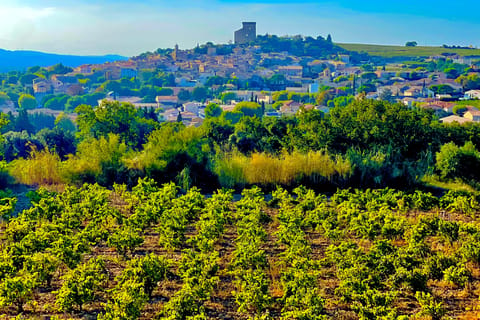
When to visit Rhone Valley: harvest, en primeur and the calendar that shapes a cellar visit.
Spring
- Hermitage rouge en primeur tastings, April (April):
The major Tain-l'Hermitage negociant houses, led by M. Chapoutier and Maison Paul Jaboulet Aine, open their cellars to the trade each April for en primeur barrel tastings of the previous vintage.
What to taste: ['Hermitage rouge barrel sample', 'Crozes-Hermitage rouge barrel sample', 'Hermitage blanc barrel sample']
- Condrieu new vintage release, March to May (March):
Condrieu Viognier is bottled young and released for drinking within one to three years of harvest. The new vintage releases each spring, typically March through May, with producers including Georges Vernay, Yves Cuilleron, and Domaine Pierre Gaillard opening for direct sales. Condrieu is best approached young when its hallmark apricot-blossom aromatics are freshest; the release window is the ideal buying moment.
What to taste: ['Condrieu AOC blanc', 'Condrieu Coteau de Vernon', "Condrieu Les Chaillets de l'Enfer"]
- Tavel rose new vintage release, March to April (March):
Tavel, France's only AOC exclusively dedicated to dry rose (decreed 1936), releases its new vintage between March and April. The wine is made primarily from Grenache, Cinsault, and Clairette and can age three to five years, though most producers advise drinking within three. Spring releases are celebrated at the cave cooperative and independent domaines around the village of Tavel, 15 km north-west of Avignon.
What to taste: ['Tavel AOC rose', 'Tavel Domaine de la Mordoree', "Tavel Chateau d'Aqueria"]
- Decouverte en Vallee du Rhone, April, Avignon (April):
Inter Rhone's professional tasting event brings together producers from both banks of the Rhone each April in Avignon. Decouverte en Vallee du Rhone is primarily a trade and press tasting where buyers, sommeliers, and journalists assess the latest releases from across all Rhone appellations. Around 200 producers pour across two days. The event is the largest professional forum for Rhone Valley wines and an important moment for retailers and importers to build their annual Rhone lists.
What to taste: ['Latest Cote-Rotie releases', 'Current Chateauneuf-du-Pape rouge and blanc', 'New Crozes-Hermitage and Saint-Joseph vintages']
- Chateauneuf-du-Pape blanc early release, March to April (March):
Chateauneuf-du-Pape blanc, made primarily from Grenache Blanc, Clairette, Roussanne, and Bourboulenc, is typically bottled and released earlier than the rouge.
What to taste: ['Chateauneuf-du-Pape blanc Beaucastel', 'Chateauneuf-du-Pape blanc Vieux Telegraphe', 'Chateauneuf-du-Pape blanc Domaine du Pegau']
Summer
- Veraison of the vines and the Fete de la Veraison, August (August):
Veraison, the colour change of ripening grapes, occurs in the Rhone around late July to early August. Chateauneuf-du-Pape celebrates this moment with the Fete de la Veraison, a medieval-themed harvest festival in the village. The vines in their pre-harvest state make August an ideal time to walk the galets roulants (large smooth pebbles) soils of Chateauneuf-du-Pape and Gigondas and see the nearly-ripe bunches in the vineyard.
What to taste: ['Chateauneuf-du-Pape rouge current release', 'Gigondas en vrac at domaine cellars', 'Muscat de Beaumes-de-Venise demi-sec']
Autumn
- Syrah harvest in the Northern Rhone, September (September):
Syrah harvest on the steep northern Rhone slopes is entirely manual. The terraced granite terroirs of Cote-Rotie, Hermitage, and Cornas require hand-picking with baskets, with equipment carried up narrow pathways.
What to taste: ['Cote-Rotie new-harvest barrel sample at Guigal', 'Hermitage rouge new harvest at Chapoutier', 'Crozes-Hermitage harvest-day cuvee']
- Grenache harvest in Chateauneuf-du-Pape and Gigondas, September to October (September):
Grenache dominates in Chateauneuf-du-Pape, Gigondas, and Vacqueyras, and its harvest typically follows Syrah by one to three weeks. The distinctive galets roulants (rolled pebbles) soils of Chateauneuf accumulate heat through the day and release it at night, promoting even ripening. Late-harvest Grenache from old vines reaches natural alcohol levels of 14.5 to 16 percent. Estate visits are discouraged at the height of harvest but the Chateauneuf-du-Pape syndicat organises post-harvest open-cellar events.
What to taste: ['Chateauneuf-du-Pape Grenache-dominant cuvee', 'Gigondas vieilles vignes', 'Vacqueyras rouge nouveau']
- Ban des Vendanges: the official harvest opening (October):
The Ban des Vendanges is the official announcement by the appellation authority of the opening of harvest. In the Rhone, the Ban is declared separately for each major AOC based on maturity assessments by the syndicat and the INAO. In Chateauneuf-du-Pape the Ban is traditionally marked by a small ceremony. The date varies by vintage character, typically falling between late September and early October, and sets the legal start date for commercial harvest. Some communes include a public event.
What to taste: ['Chateauneuf-du-Pape blanc newly bottled', 'Cotes du Rhone Villages nouveau', 'Beaumes-de-Venise Muscat doux naturel']
- Muscat de Beaumes-de-Venise VDN autumn release (October):
Muscat de Beaumes-de-Venise, granted AOC status in 1945, releases its new vintage in late October and November. The fortified Muscat Blanc a Petits Grains is harvested ripe, fermented partially, and fortified with neutral grape spirit to preserve sweetness and Muscat aromatics. The resulting wine is golden, perfumed with orange blossom and stone fruit, and best drunk young. The Beaumes-de-Venise village cave cooperative and several small domaines offer direct cellar sales.
What to taste: ['Muscat de Beaumes-de-Venise VDN', 'Beaumes-de-Venise rouge AOC', 'Cave de Beaumes-de-Venise co-op cuvee']
Winter
- Rasteau VDN fortified winter release, November to December (November):
Rasteau AOC produces both a dry red appellation (since 2010) and Rasteau VDN (since 1944), a Grenache-based fortified wine available in blanc, rouge; rancio styles.
What to taste: ['Rasteau VDN rouge', 'Rasteau VDN rancio', 'Rasteau Domaine de la Soumade Orondasso']
- Winter cellar season: racking and assemblage in Tain and Avignon (January):
January and February are the working months in Rhone cellars: racking of the previous harvest's wines, assemblage (blending) decisions for Chateauneuf-du-Pape's multi-variety blends, and the final preparations for spring bottling. Visitors who come in winter find the northern Rhone stripped bare, the Hermitage hill gaunt above the river, and the cellar doors open for focused, unhurried tastings. Several producers including Domaine Jean-Louis Chave and Domaine Auguste Clape are most accessible to appointment visits during this quiet period.
What to taste: ['Hermitage rouge working barrel sample', 'Cote-Rotie racked cuvee', 'Chateauneuf-du-Pape pre-assemblage Grenache']
Seasonal in Rhone Valley, FAQ
When is the best time to visit Rhone Valley for wine?
Peak wine-travel season in Rhone Valley is spring through autumn, with harvest the standout window.
Do I need an appointment to taste at Rhone Valley estates?
classified-growth and grand-cru estates require booking days to weeks ahead; smaller family domaines often take walk-ins midweek.
What hours do Rhone Valley cellars and tasting rooms keep?
most estates open 10:00 to 17:00 by appointment, often closed Sunday and Monday.
How does tipping work at Rhone Valley tastings?
tipping is not expected at tastings; buying a bottle from the cellar door is the customary thank-you.
What is the one wine to try in Rhone Valley?
Ask the next local you meet what they would order. Rhone Valley rewards trust.