Queso Camerano
A goat's milk cheese named for the Sierra de Cameros in the south of La Rioja, where families once turned surplus milk into cheese. The curd drains by gravity, without pressing, in a woven mould called a cilla that prints its weave on the surface. The specification allows milk from Serrana, Murciana-Granadina, Malagueña and Alpine goats and their crosses, grazing mostly on scrub and wild herbs. It is sold fresh, tierno, semicurado or curado; the two aged styles grow a brown to greenish-brown mould rind. A whole cheese weighs 200 g to 1.2 kg. National DOP in 2009, on the EU register since 2012; output is about 47,000 kg a year, a La Rioja newspaper reported in October 2026.
Taste: Sweet and slightly acid when fresh, mildly acid and a little salty after a short ripening, then acid, salty and faintly bitter when long-aged, with goat and wild-herb notes and a cave-like, mouldy edge in semicurado and curado, per the specification.
Ageing: Fresh needs none; tierno at least 15 days, semicurado at least 30, curado at least 75
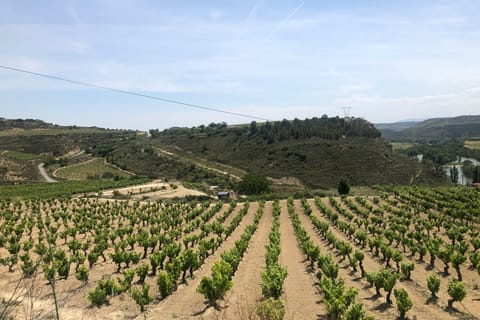
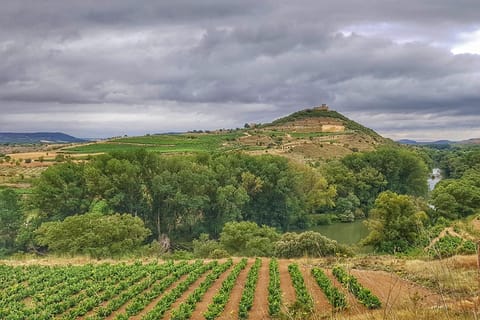
Made in: La Rioja: every municipality of the Rioja Alta, Sierra Rioja Alta, Sierra Rioja Media and Sierra de Rioja Baja comarcas, plus listed municipalities of Rioja Media (Daroca, Lagunilla de Jubera, Logroño, Ocón, Santa Engracia, Villamediana de Iregua) and Rioja Baja (Arnedo, Autol, Igea, Quel and others)