Rebula, Sauvignon Blanc, Sivi Pinot, Malvazija, Merlot, Cabernet Franc, ChardonnayBiljana
Kontrabánt traces the family to 1888, when Ignac Sirk moved from Višnjevik to Biljana. Marko Sirk now works thirteen hectares of vineyard and orchard with his wife Nataša and their son Miha.
Why locals love it: A thirteen hectare farm at Biljana whose sparkling wine carries a different name from the house, so the bottles and the cellar are easy to miss as the same place.
Tip: The traditional method sparkling is labelled Marcus and made from Chardonnay. The tasting room seats sixty indoors and thirty out, and there is a shop for buying by the bottle.
Rebula, Sauvignonasse, Chardonnay, Sauvignon Blanc, Sivi Pinot, Merlot, Cabernet SauvignonVipolže
The family dates its winegrowing to 1923, when Valentin Keber and Andrej Benedetič bought the Brgolišče plot. Ten hectares are now spread across twelve separate sites above Vipolže.
Why locals love it: The cellar sits on the western edge of Brda where the hills drop into the Friulian plain, well past the Dobrovo cluster most visitors never leave.
Tip: Cherries and olive oil are sold alongside the wine and the tasting hall looks straight out over the hills, so it works as a lunch stop rather than a quick call.
Rebula, Sauvignonasse, Malvazija, Sauvignon Blanc, Merlot, Cabernet Sauvignon, Cabernet Franc, Modri PinotFounded 1767Pristavo
The Erzetič family farm fifteen hectares of terraced marl here and date the estate's winegrowing to 1767. The Donna Regina sparkling has been made since 1994.
Why locals love it: A former Thurn-Taxis farm at Pristavo, a hamlet with no through traffic, making traditional method sparkling since 1994 with almost no export profile.
Tip: The range leans on the local trio of Rebula, Sauvignonasse and Malvazija rather than on the international varieties, which is the point of coming.
Rebula, Sauvignon Blanc, Sauvignonasse, Sivi Pinot, Beli Pinot, Merlot, Cabernet Sauvignon7 haNeblo
Franc and Borut Kocijančič work parcels between 75 and 160 metres above the western edge of Brda, two red and six white varieties on the same farm the family has held for generations.
Why locals love it: Neblo is the last village before the Italian line, seven hectares of mostly terraced vineyard and about 50,000 bottles a year, sold largely at the door.
Tip: The Brjač vineyard is picked last, in the final days of October, and goes into the Merlot of the same name. Kontrabánt lists the farm as opening only on the Saturday of DOK Brda.
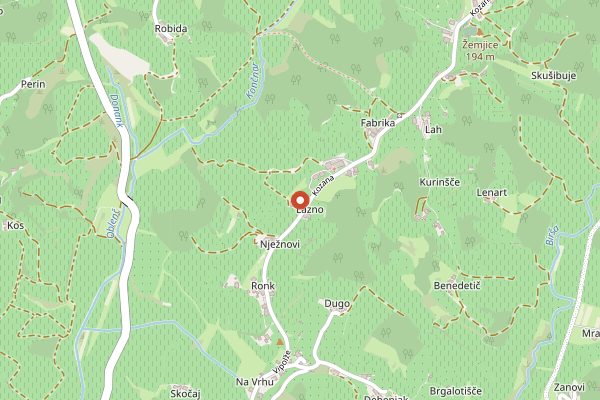
Rebula, Merlot, Sivi PinotKozana
Damjan Prinčič farms a small Kozana holding where the orchard matters as much as the vineyard, bottling Rebula, Merlot and Sivi Pinot and pressing olive oil on the same farm.
Why locals love it: A smallholding that sells freeze-dried fruit and preserves under the Skrje and Liopicon names alongside the wine, and takes visitors only by arrangement.
Tip: A tasting here usually comes with something from the orchard. Turizem Brda also lists the farm among its olive oil producers.
Rebula, Sauvignonasse, Malvazija, Sauvignon Blanc, Chardonnay, Cabernet Sauvignon9 haPlešivo
The Blažič family work vineyards on both the Slovenian and Italian side of the line, ferment and macerate spontaneously, and put Rebula, Sauvignonasse and Malvazija at the centre of the range.
Why locals love it: Nine hectares split across the border at Plešivo, a tasting room that seats twelve indoors, and no capacity for anyone who has not phoned first.
Tip: Twelve seats inside and ten outside, so a group of more than a dozen has to be arranged well ahead rather than turning up.