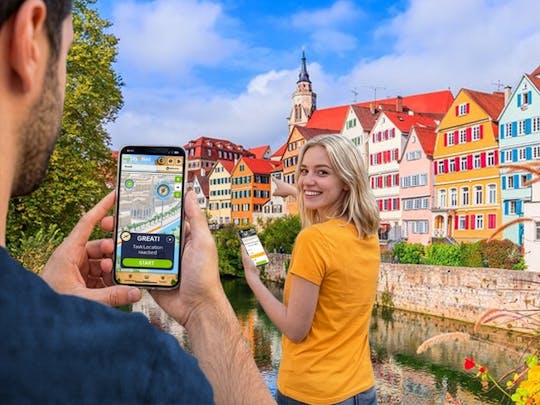
Strasbourg pairs a cathedral old town and European institutions with an easy add-on wine stop, several Alsace Wine Route villages sit directly between it and the Ortenau side of the Rhine.
Pours: Alsace Cremant, Alsace Riesling
Tip: Combine a Strasbourg morning with an afternoon stop in an Alsace village on the drive back rather than making the wine route a separate trip.
Basel sits directly south of the Markgraeflerland, an easy add-on for anyone tasting Gutedel in Auggen or Schliengen: the Swiss grow the same grape under the name Chasselas just across the border.
Pours: Swiss Chasselas (Basel's own name for Gutedel)
Tip: The Markgraeflerland's Gutedel villages sit on the direct route south, break the drive with a cellar stop before crossing into Switzerland.
Europe's second-most-visited theme park sits at Rust, between Freiburg and Offenburg, a family day out that bookends easily with an Ortenau cellar stop in Durbach on the way there or back.
Pours: Ortenau Riesling, Ortenau Spaetburgunder
Tip: If travelling with a group that splits between the park and the vineyards, Durbach's wine estates are a 30 to 40 minute detour off the direct Rust route.
The high Black Forest around Titisee and Triberg is fruit-brandy rather than wine country, Kirschwasser distillers share the same cellars and cooperages that Baden's Spaetburgunder growers use lower down the slopes.
Pours: Schwarzwald Kirschwasser and Obstbrand (fruit brandy, not wine)
Tip: This is a spirits detour, not a wine one, pair it with a Kaiserstuhl or Breisgau cellar visit on the drive rather than expecting vineyards at altitude.
Baden's own Bodensee vineyards around Meersburg sit on the lake's German shore; a short ferry or drive reaches the Austrian and Swiss shore around Bregenz and Konstanz for a cross-border style comparison.
Pours: Vorarlberg and Swiss Bodensee wines
Tip: Take the car ferry from Meersburg or Konstanz rather than driving the full lake road, it is faster and gives the best view of the vineyard-lined shore.