AOP, first protected 1983Goat milk, rawSoft, bloomyBloomy rindAlso Picodon de l'Ardèche / Picodon de la Drôme
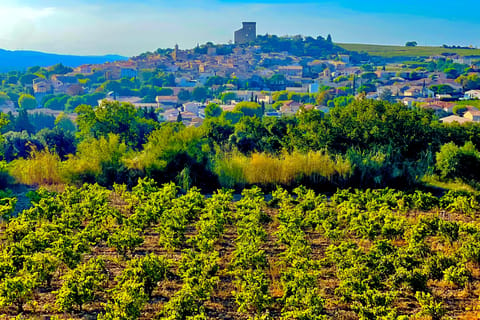
A small flat disc of raw whole goat's milk from the Drôme and Ardèche hills, 5 to 7 cm across and 1.8 to 2.5 cm high. The curd is ladled by hand into perforated moulds, dry-salted on both faces and dried for at least 24 hours. It weighs about 60 g after 8 days, and ageing can run to several months. The syndicate says it has been made by the ancestral method since the 14th century. It has been an AOC since 1983. The classic rind is white or blue and flowery; the Dieulefit version is washed with clear water and aged for a month or more.
Taste: Frank and goaty, sometimes piquant, with subtle hazelnut and mushroom notes, according to the Picodon syndicate. The paste is fine and supple, sometimes crumbly, and the flavour grows stronger the longer it ages.
Ageing: At least 8 days (about 60 g by then); the Dieulefit washed version at least one month
Made in: Ardèche and Drôme departments, plus the cantons of Valréas (Vaucluse) and Barjac (Gard)

AOP, first protected 2009Goat milk, rawSemi, softNatural rind
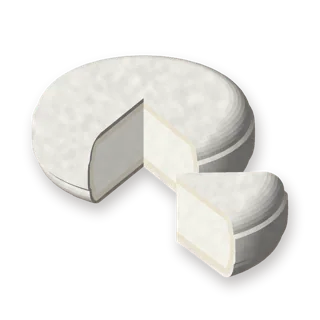
A tiny disc of raw whole goat's milk from Alpine, Saanen or local Massif Central goats, 4.2 to 5 cm across and 1.9 to 2.4 cm high, about 35 g by Le Guide du Fromage and at least 30 g by the specification. It is made in the Pilat massif, in listed communes of the Rhône and Loire including Condrieu, Ampuis and Chavanay. The surface flora is ivory, white or blue; the paste is white to ivory, firm and smooth with no holes. It became an AOC by Décret 2009-49 of 13 January 2009 and an EU AOP in 2013. INAO says the name probably comes from rigol or rigot, local words for streams.
Taste: Hazelnut, forest-floor and whey aromas, on a firm, smooth paste that melts in the mouth and is moderately salted, according to INAO and the specification. French Wikipedia adds that it is best eaten from May to August.
Ageing: At least 8 days from unmoulding
Made in: Pilat massif, communes of the Rhône and Loire departments around Condrieu and Ampuis
IGP, first protected 2013Cow milk, bothSoft, bloomyBloomy rindAlso Saint-Marcellin IGP
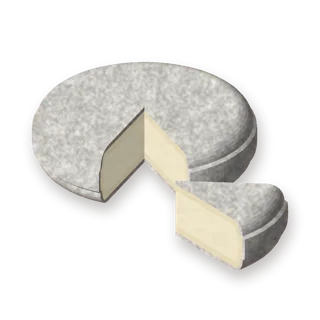
A small soft round of cow's milk from the Dauphiné, about 7 cm across and 2 cm high and at least 80 g according to the EU single document, with a very thin rind that runs from white to beige or greyish-blue. It has been an IGP since 2013, with milk, making and ageing all in Isère, Drôme and Savoie. French Wikipedia traces the first mentions to the reign of Louis XI and says goat and cow milk were blended until the 1980s; today the milk is cow's only, used raw or thermised but never pasteurised, per the EU single document. The consortium describes a firm dry style, a blue-skinned one and a soft one nearly runny at the heart. Lyon, per French Wikipedia, prefers it soft and almost runny, in a small dish.
Taste: The dry style is frank and milky with fruit; the blue one is intense with mushroom and forest floor; the soft one is supple and melting, less milky, with dried fruit, honey and cream notes, according to the consortium, which also calls it moderately salted.
Ageing: At least 10 days after renneting before sale, according to the EU single document; the dry style gets an extended drying and the blue style long cave ageing
Made in: Isère, Drôme and Savoie departments, around the town of Saint-Marcellin
Cow milk, bothSoft, bloomyBloomy rind
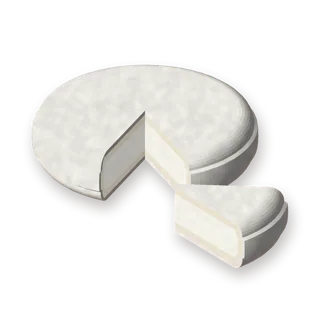
A soft cow's milk cheese of the Dauphiné: a flat cylinder with a white, flowery rind over a soft paste, 8.5 to 12 cm across, 2 to 4 cm high and 150 to 220 g. The Saint-Marcellin and Saint-Félicien committee says it is made from the milk of 150 dairy farms, lightly salted and sometimes enriched with a little cream. It has no protected name: a 2007 decree lists it as a soft cheese and, per French Wikipedia, producers filed an IGP application on 4 September 2023. French Wikipedia dates the first cow's milk Saint-Félicien to a trademark filed in 1956 by Marius Boucher of Villeurbanne. Maison Cardot lists it among its raw-milk cow's cheeses today.
Taste: Soft, creamy and melting under a white, flowery rind, with a mild, sweet taste and light salt, according to the committee. French Wikipedia calls the cheese thicker, richer and creamier than Saint-Marcellin; the accords-mets-vins.fr guide to Saint-Félicien says slightly milky and sometimes nutty.
Ageing: About four to six weeks; best from April to September
Made in: Traditionally the Rhône, Ain, Drôme and Isère departments
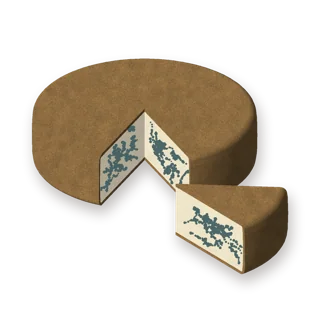
AOP, first protected 1998Cow milkBlueNatural rind
A blue cow's milk cheese from the Vercors massif, made in flat wheels 27 to 30 cm across and 7 to 9 cm high that weigh 4 to 4.5 kg. The milk comes from Abondance, Montbéliarde and Villard cows; the consortium says the previous evening's milk is heated and 30 to 50 percent warm raw morning milk is added. About 40 litres go into each wheel. Penicillium roqueforti is added to the milk with the rennet, and the wheels are pierced with needles on days 6 and 12 of a minimum 21 days of ageing to let in air for the blue. It became an AOC in 1998 and an AOP in 2001. The zone covers 13 Drôme and 14 Isère communes; the town of Sassenage lies outside it.
Taste: Mild and creamy, with a subtle hazelnut aroma, according to the consortium; INAO adds forest-floor notes and no excess bitterness, acidity or saltiness. French Wikipedia gives 28 percent fat.
Ageing: At least 21 days, pierced on days 6 and 12
Made in: 13 communes of the Drôme and 14 of the Isère in the Vercors massif (Sassenage itself is outside the zone)