When to visit Alsace: harvest, en primeur and the calendar that shapes a cellar visit.
Spring
- Budbreak and frost watch, April (April):
Budbreak arrives in April and with it the threat of spring frost across the lower-elevation parcels. Growers light candles and run wind machines through cold dawns, a fight that has cut yields in recent vintages from 2017 onward.
What to taste: ['Newly bottled village Riesling', 'Sylvaner and Pinot Blanc as fresh aperitifs', "Cremant d'Alsace Brut"]
- Slow Up Alsace cycling Sunday, early June (June):
On the first Sunday of June, 35 kilometres of the wine route between Bergheim and Marlenheim close to traffic for Slow Up Alsace. Tens of thousands of cyclists and walkers cross the vineyards, with growers and villages offering tastings and food stops along the way.
What to taste: ['Crisp Pinot Blanc poured by roadside growers', "Cremant d'Alsace", 'Cool Sylvaner on a bike-stop terrace']
Summer
- Flowering and fruit set, June (June):
Flowering through June fixes the size of the crop, with roughly a hundred days from flowering to harvest as a rule of thumb. Warm settled weather points to a generous vintage; rain and coulure thin the bunches and concentrate flavour.
What to taste: ['Chilled Pinot Blanc among the vines', 'Edelzwicker and Gentil', 'Light Pinot Noir as an early-summer red']
- Foires aux vins and summer festival season, July to August (July):
High summer is the season of the foires aux vins. From the Foire aux Vins de Ribeauville in July to the headline Foire aux Vins d'Alsace in Colmar across late July and August, village after village pours its growers' wines under marquees and along old streets.
What to taste: ["Cremant d'Alsace at the Colmar fair", 'Riesling Grand Cru flights', 'Pinot Gris from late-harvest pre-releases']
- Veraison and pre-harvest, late August (August):
Late August brings veraison, when Pinot Noir colours up and Gewurztraminer and Pinot Gris soften. Growers taste through the rows checking sugar and acidity, and recent warm vintages have pushed first picks into late August, especially for Cremant base wine.
What to taste: ['Estate barrel samples of the prior vintage', "Cremant d'Alsace on the terrace", 'Just-bottled Pinot Blanc and Auxerrois']
Autumn
- Vendange and Cremant base picking, September (September):
Harvest sweeps Alsace through September, Cremant base fruit and Pinot Noir first, then Riesling and Gewurztraminer through the month. Recent warm vintages have moved the start earlier; villages buzz with pickers, tractors and the smell of fermenting must.
What to taste: ['Cellar-side fermenting must on private visits', 'Last-vintage Riesling Grand Cru', 'Just-pressed Pinot Blanc juice']
- Sentiers gourmands gourmet walks, September to October (September):
Across autumn weekends, villages from Bennwihr and Mittelbergheim to Eguisheim and Kaysersberg run their sentiers gourmands: timed walks through the vines with successive courses and matched glasses of local wine at each stop.
What to taste: ['Riesling at the appetiser stop', 'Pinot Noir with the main course', 'Vendanges Tardives Pinot Gris with dessert']
- Vendanges Tardives and Selection de Grains Nobles, October to November (October):
In suitable years growers leave parcels of Riesling, Gewurztraminer, Pinot Gris and Muscat on the vine into late October or November for Vendanges Tardives, and rarer Selection de Grains Nobles with noble rot. The 2001 decree sets the legal minima.
What to taste: ['Vendanges Tardives Pinot Gris', 'Selection de Grains Nobles Gewurztraminer', 'Late-harvest Riesling with a cool acidity']
Winter
- Winter pruning across the vineyard, January to February (January):
Deep winter is the pruning season. Across the Bas-Rhin and Haut-Rhin growers walk the rows trimming canes through the cold, the quiet work that sets each vine's crop for the coming vintage. Cellar tastings are unhurried and appointments easy to land.
What to taste: ['Library-release Riesling Grand Cru', 'Pinot Gris from cooler vintages', "Cremant d'Alsace as an aperitif"]
- Noel d'Alsace and Christmas wine cellars, December (December):
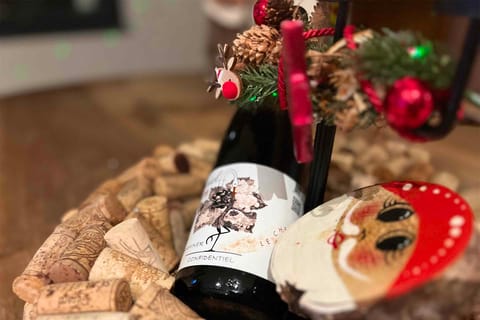
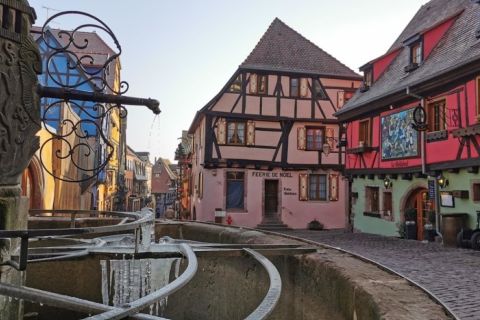
Strasbourg's Christkindelsmarik runs from late November to Christmas Eve and draws a couple of million visitors. Across the wine route, growers from Eguisheim to Bergheim open Christmas cellars pouring vin chaud and Cremant under the village lights.
What to taste: ["Cremant d'Alsace as a Christmas aperitif", 'Hot mulled Pinot Noir at the markets', 'Gewurztraminer with foie gras']
Seasonal in Alsace, FAQ
When is the best time to visit Alsace for wine?
Peak wine-travel season in Alsace is spring through autumn, with harvest the standout window.
Do I need an appointment to taste at Alsace estates?
classified-growth and grand-cru estates require booking days to weeks ahead; smaller family domaines often take walk-ins midweek.
What hours do Alsace cellars and tasting rooms keep?
most estates open 10:00 to 17:00 by appointment, often closed Sunday and Monday.
How does tipping work at Alsace tastings?
tipping is not expected at tastings; buying a bottle from the cellar door is the customary thank-you.
What is the one wine to try in Alsace?
Ask the next local you meet what they would order. Alsace rewards trust.