
Private Parmigiano Reggiano, Prosciutto and Balsamico tour
Discover and taste Emilia's world-renowned products, including Parmigiano Reggiano, Prosciutto di Modena and Traditional Balsamic Vinegar DOP!

Cheese · DOP · Emilia-Romagna
A hard, pressed cow's milk cheese from Provinces of Parma, Reggio Emilia, Modena, Bologna (west of the Reno) and Mantova (south of the Po).
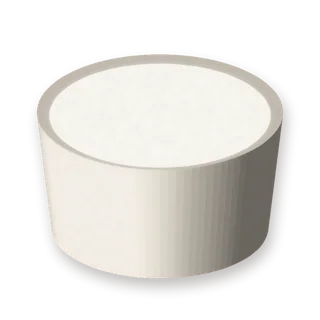
The hard, long-aged cheese of Parma, Reggio Emilia, Modena, Bologna west of the Reno and Mantova south of the Po. It is made from raw cow's milk, evening and morning milkings combined, with no additives, then salted and aged for at least 12 months, some wheels well past 60. Qualigeo dates its first written trace to 1254 as caseus parmensis, and Boccaccio's Decameron already knows it grated. Wheels run 35 to 43 cm across and 20 to 26 cm high, at least 30 kg, averaging 40 to 42 kg; it has been a protected Italian denomination of origin since 1955 and an EU PDO since 1996.
Made in: Provinces of Parma, Reggio Emilia, Modena, Bologna (west of the Reno) and Mantova (south of the Po)
Delicate and fragrant, tasty but not spicy, says Qualigeo. The paste is hard, finely granular and flakes when broken. The consortium's sensory guide finds milk, yogurt and fresh fruit at 12 to 18 months, dried fruit and broth around 30 to 36, spice beyond 40, with white tyrosine crystals as the mark of age.
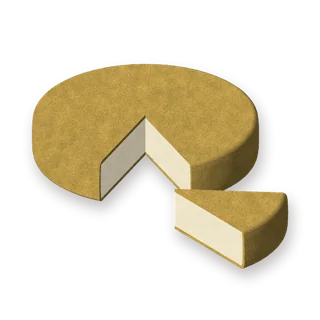
Rind: natural crust
Wine and cheese
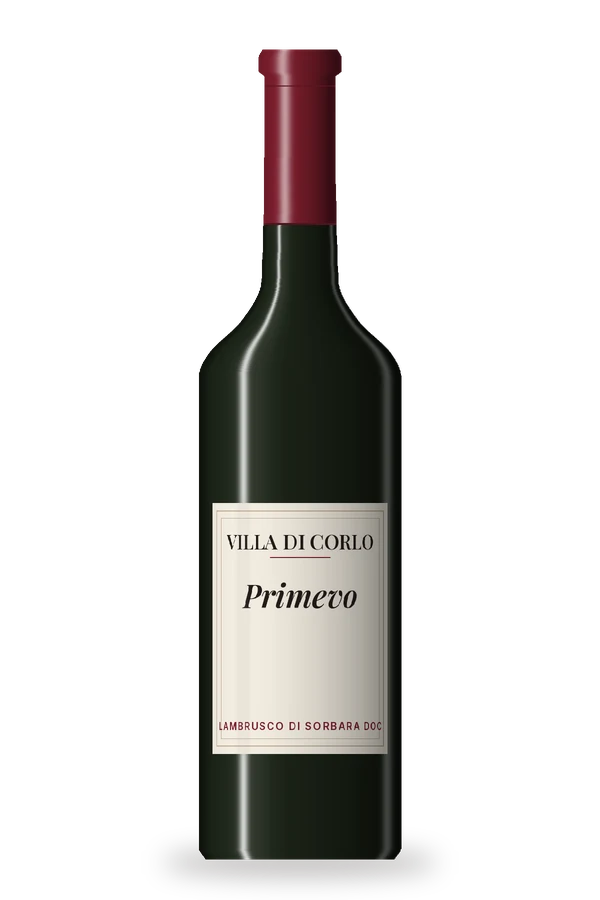
Qualigeo describes Lambrusco di Sorbara as a fresh sparkling red with raspberry and violet notes. Dry, its acidity and bubbles cut through the savoury richness of Parmigiano of two to three years, while its red fruit meets the brothy, nutty paste.
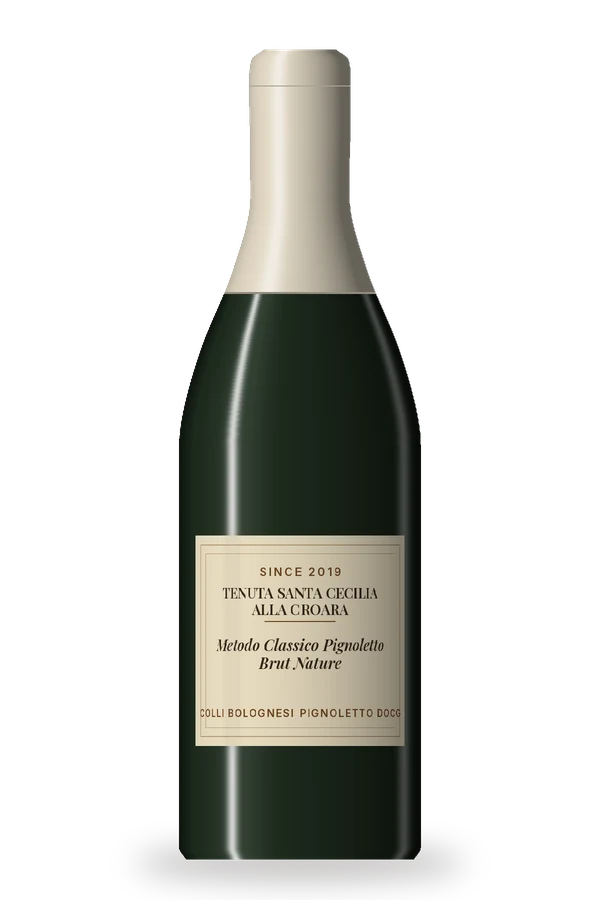
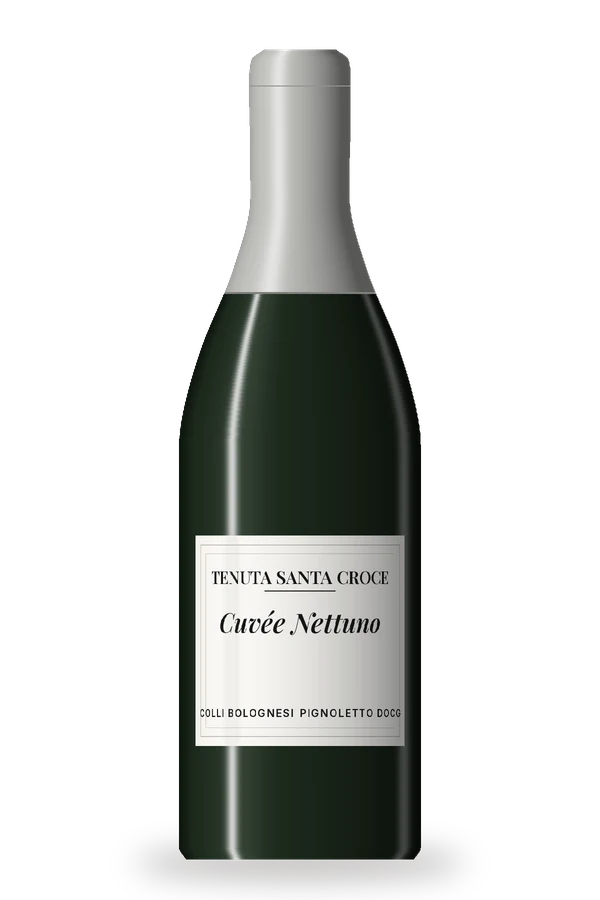
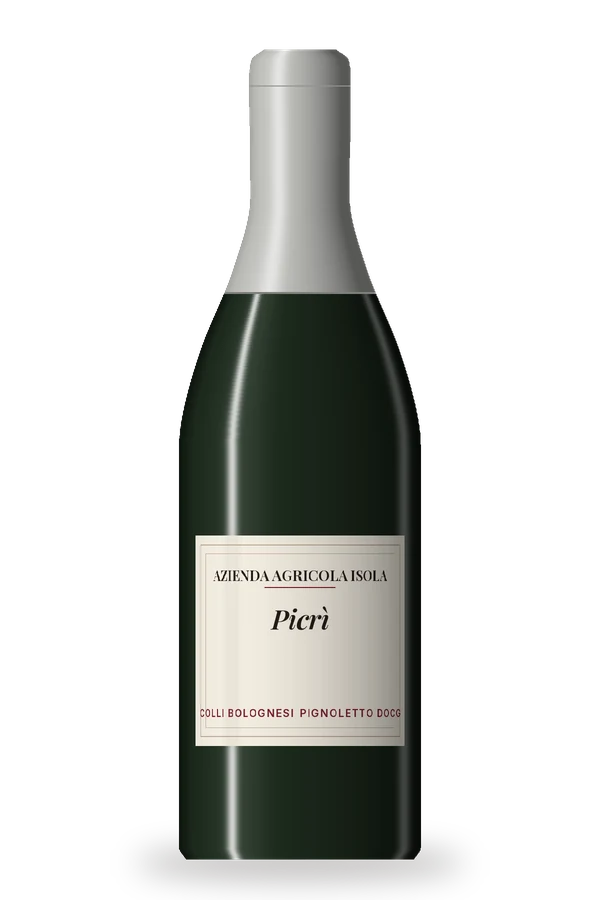
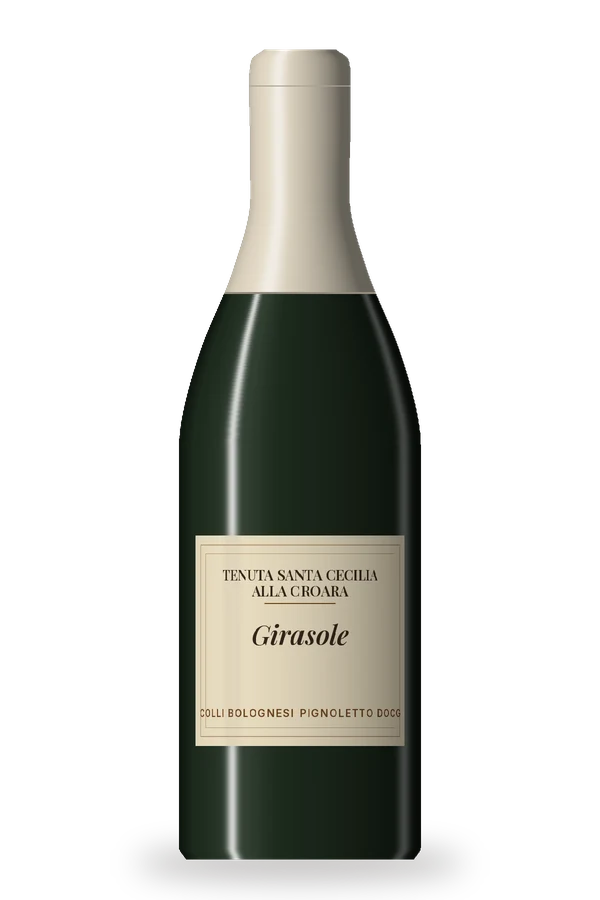
The Parmigiano Reggiano consortium suggests sparkling white wines as an aperitif with cheese aged 12 to 18 months. A dry sparkling Pignoletto, crisp with fine bubbles, cleans the palate between the sweet, milky, fruity shards.
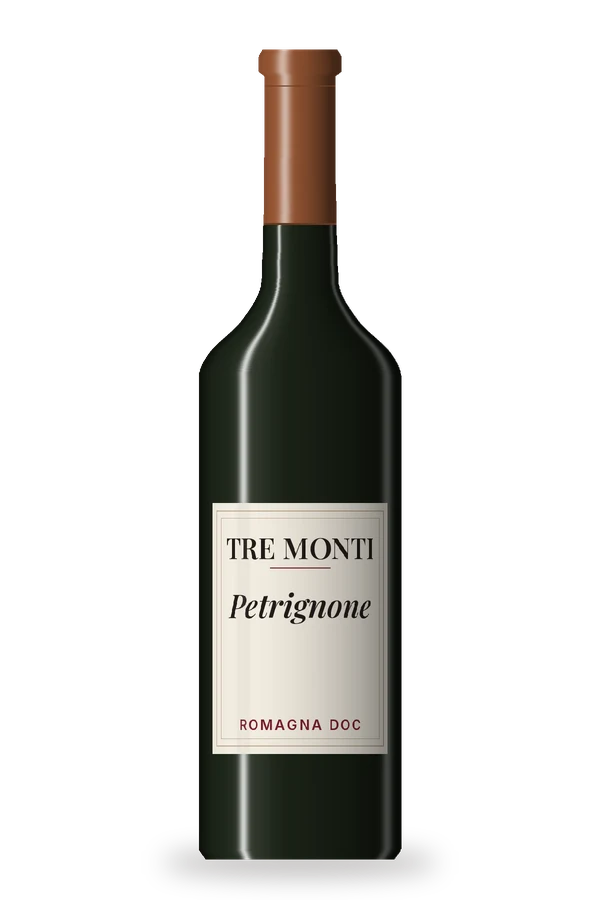
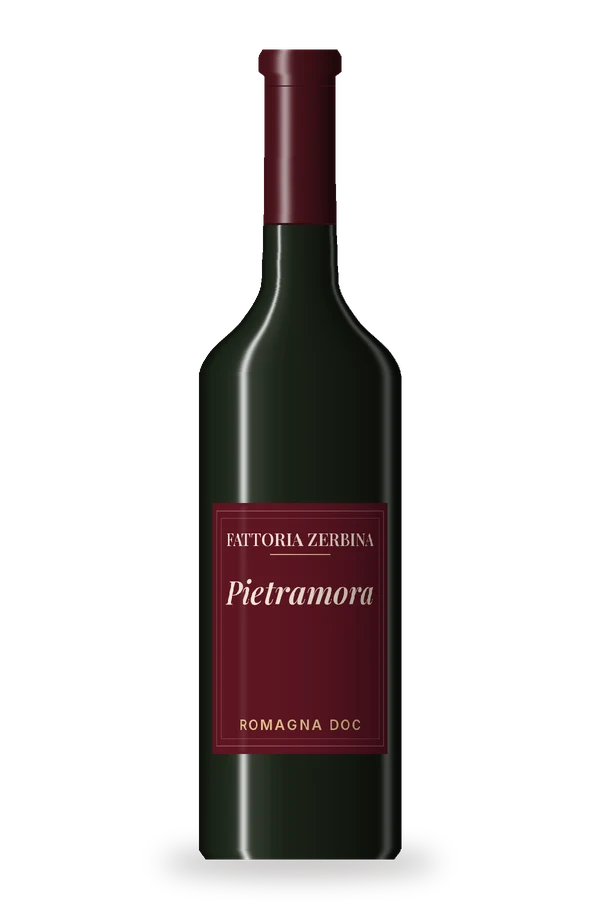
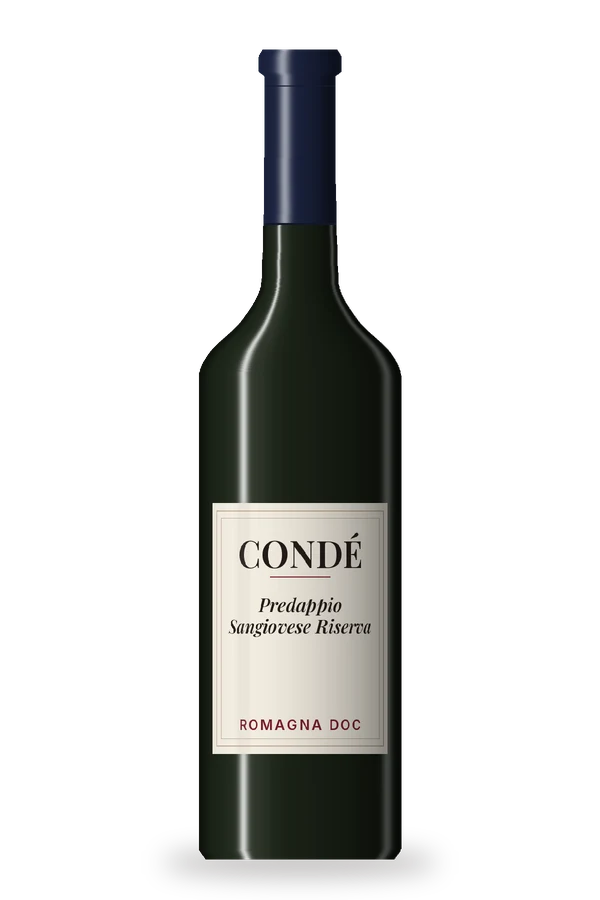
The Parmigiano consortium suggests structured wines for cheese beyond 40 months, and the Romagna wine board lists aged cheeses among the foods for Sangiovese. A Riserva has the weight to stand up to the spice, salt and crystals of long-aged wheels.
Cheese and wine tastings you can book where Parmigiano Reggiano is made, best reviewed first.
Discover and taste Emilia's world-renowned products, including Parmigiano Reggiano, Prosciutto di Modena and Traditional Balsamic Vinegar DOP!

From grass to table: dairy farm tour with grazing cows and observation of production. Taste the excellence of Parmigiano Reggiano with a light lunch made with fresh products.

Learn about, taste, and go behind the scenes of Emilian cuisine on a 7-hour tour. Tour a dairy factory, vinegar-production site, and wine cellar.
Wine and cheese tastings in Emilia-Romagna (4) · Cheese tastings and dairy visits in Emilia-Romagna (22) · Wine tastings and winery visits in Emilia-Romagna (11) · Cooking classes in Emilia-Romagna (30) · Food tours in Emilia-Romagna (27) · Wine tours and day trips in Emilia-Romagna (8) · All wine and food experiences
The grapes behind these winesSangioveseLambrusco di SorbaraGrechetto Gentile
From the source
Modena Parmigiano Reggiano dairy with a visitor programme: daily guided tours with a tasting of four ages, by reservation, and a shop open during tour hours.
Dairy built in 1975 as Nuova Martignana and part of 4 Madonne since 2022; the tour lets small groups step into the production room, with a tasting and a shop.
Family farm and dairy that went organic in 2005 and now makes organic Parmigiano Reggiano, fresh cheeses and butter, with a farm shop and guided visits with tasting.
Cooperative founded in 1966 by local cattle breeders at Zocca. It makes Parmigiano Reggiano, Bianca Modenese cheeses, ricotta and caciotte, sold in its farm shop.
Parmigiano Reggiano dairy at Collecchio, producing since 1953, with a production shop and an Experience in which guests make two wheels of their own with the dairy.
Dairy at Salsomaggiore Terme that dates its story to 1700 and sells Parmigiano Reggiano at several ages, with wines, liqueurs, cured meats and gift baskets.
Cheese shop about 50 metres from Osteria Fondo in Cesena, open two days a week, which also organises cheese evenings and courses in season.
Town-centre shop of the Bio Reggiani dairy, selling its organic Parmigiano Reggiano at several ages with other organic cheeses, cured meats and condiments.
One of the Gennari dairy's shops, in the centre of Collecchio, selling its Parmigiano Reggiano and fresh deli products made in the dairy's own laboratory.
Store at Sorbara, in the municipality of Bomporto, one of the retail stores listed by the 4 Madonne dairy group of Modena.
Tour from milk processing and brining to the ageing store, ending with four ages of Parmigiano Reggiano, ricotta and tosone cheese with wine. Every day, by reservation only.
Visit of the barns, production room, brine tanks and ageing store of an organic Parmigiano Reggiano farm, ending with three ages of the cheese, ricotta with balsamic, caciotta and a glass of Lambrusco.
Visitors step into the production room in protective gear, then taste four ages of Parmigiano Reggiano with ricotta and wine. Milk is processed in the morning, so afternoon tours do not see it.
Hands-on programme in which guests make two wheels of Parmigiano Reggiano with the dairy's help; the dairy ages them until collected. Proceeds support cancer research.
Fair in the centre of Sogliano al Rubicone, run by the Pro Loco, with tasting and sale of Formaggio di Fossa DOP, stalls of local products such as saba and savor, and side events of theatre and music.
Museum of Parmigiano Reggiano with over 120 objects on the cheese's making and ageing, an audioguide and a shop. It moved from Soragna to the former Cappuccini church at Fontevivo on 13 June 2026.
Yes. Qualigeo says it is made from raw cow's milk, evening and morning milkings combined, with no additives.
The minimum is 12 months and there is no maximum. The consortium says 24 to 36 months is the most common range on the market, with some wheels of 40 to over 100 months.
Tyrosine crystals. The consortium describes them as an indicator of ageing; they grow in number and size as the cheese matures and can be felt as small grains when tasting.
The consortium says the rind is edible. It forms naturally as the surface dries, with no additives or treatments, and it should be cleaned before eating.
Same cheeseboard
Plan the trip
Tastings and tours where it is made, and somewhere to stay.
3 kinds of Pasta, Ragù, Tiramisu and Unlimited Wine tasting
All 287 experiences in Emilia-RomagnaBooking links go to our partners (GetYourGuide, Viator, Zen Hotels), who may pay us a commission. It never decides what we cover. Editorial standards.
Sources: protection register, www.qualigeo.eu, it.wikipedia.org. The drawing is made from the cheese's recorded shape, rind and paste, not a photograph.