Nikolaihof Roman Cellar Heritage ★ 4.8
Nikolaihof stands on the site of a Roman settlement dating to the 1st century AD, with intact Roman cellar foundations visible in the vaulted cave.
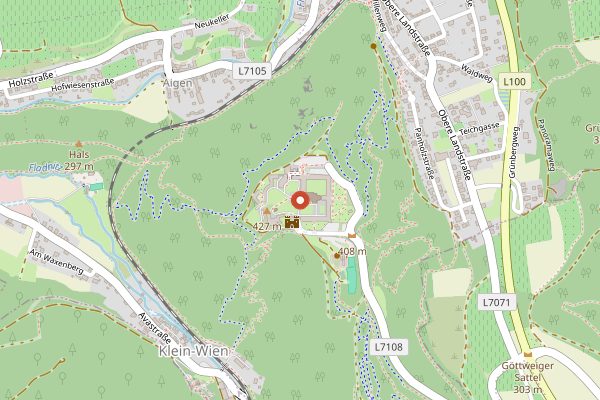
The Benedictine Abbey Göttweig has produced wine continuously since 1083. The experience cellar tour explores nine centuries of monastic viticulture, including the 1681-expanded Grand Cellar that once stored hundreds of thousands of litres. A museum-quality living wine heritage destination.
Address: Göttweig 1, 3511 Furth bei Göttweig, Austria, Wachau
Nikolaihof stands on the site of a Roman settlement dating to the 1st century AD, with intact Roman cellar foundations visible in the vaulted cave.
The city museum of Krems housed in a 13th-century Dominican monastery, including a historic wine cellar. Exhibits trace viticulture and the wine trade as the foundation of Krems citizenry from the Middle Ages; works by baroque painter Kremser Schmidt also displayed.
The Spitz shipping museum in a historic building preserving model ships, horse-drawn towboat equipment and the last functioning 17th-century boat organ.
Located in the historic Teisenhoferhof in Weißenkirchen, the Wachaumuseum traces the cultural, social and agricultural development of the valley across centuries, with strong emphasis on viticulture and the apricot economy that defines Wachau identity.
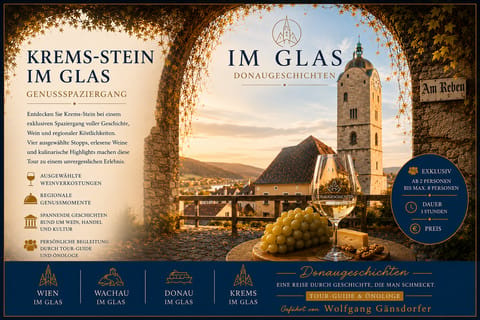
Discover Krems & Stein with pleasure! Between old wine presses, we taste finger foods, typical Wachau/Krems wines, and share stories, with wit, taste, and a real sense...
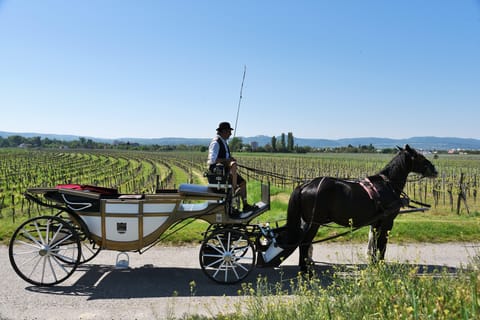
An extraordinary, discreet carriage tour for 2 with fresh sandwiches & a bottle of sparkling wine
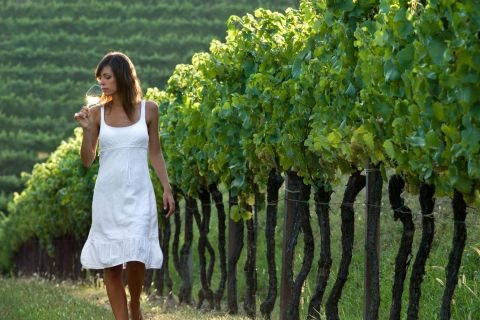
Enjoy a small group, half-day long wine tasting tour near Vienna. Meet with local winemakers, and taste quality Austrian wines. Complete your experience with a traditi...