The cheeses made in and around Jerez & Sherry: the protected names first, then the local cheeses people actually eat, with their milk, rind, ageing and taste.

The cheeses of Jerez & Sherry

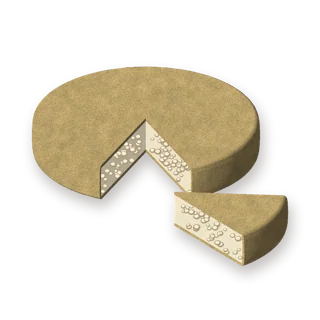
Queso de cabra payoya

Goat milk, pasteurisedSemi, hardNatural rind

The goat cheese of the Sierra de Cádiz, made from the milk of the Payoya (or Montejaqueña) goat, a breed native to the Sierra de Grazalema and Serranía de Ronda. Dairies in Villaluenga del Rosario, Grazalema, Ubrique, Villamartín and Alcalá de los Gazules sell it fresh, semicured and cured. Cured cheeses are often finished in Iberian lard (Payoyo, La Pastora de Grazalema, El Gazul) or in olive oil (El Gazul). It has no protected name. Payoyo's own site says Payoyo is not a type of cheese and is not made with the milk of a particular breed, but a patented, legally recognised trademark. Spanish Wikipedia says a DOP for goat cheese of the Sierra de Jerez and Serranía de Ronda was in process.

Taste: Payoyo describes its semicured goat cheese as very creamy, nutty, slightly acid and savoury, and its cured one as dark straw, smooth on the palate with an intense goat flavour. Quesería El Gazul calls its goat cheese creamy and balanced, firm but flexible when cut, with fresh herbal notes and clean milky tones.

Ageing: Semicured from about 35 days (Payoyo) or 40 to 60 days (La Pastora de Grazalema); cured from about 105 days (Payoyo), or 4 to 8 months (La Pastora)

Made in: Sierra de Cádiz, from Villaluenga del Rosario and Grazalema to Ubrique, Villamartín and Alcalá de los Gazules; the Payoya goat's home range is the Sierra de Grazalema and the Serranía de Ronda
Queso de Grazalema

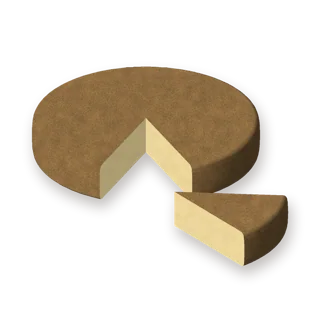
Sheep and goat milk, pasteurisedSemi, hard

The name given to the sheep, goat and mixed-milk cheeses of the Grazalema mountains, made from Merina Grazalemeña sheep and Payoya goat milk, which Grazalema's tourist office names for its cheeses. Spanish Wikipedia lists a Queso de Grazalema, mixed milk with no quality seal, in the national cheese catalogue. It is a regional name without a registered designation. La Pastora de Grazalema and Payoyo sell semicured and cured sheep and goat-and-sheep cheeses of about 2 kg, some coated in lard or in olive oil and wheat bran.

Taste: Payoyo describes its semicured sheep cheese as intense yet very soft and creamy, and its cured sheep cheese as straw yellow, with an intense flavour and a texture that melts on the palate. Its semicured goat and sheep blend is very melting, slightly acid, with a hint of hazelnut.

Ageing: Payoyo: semicured from about 35 days (sheep) or 75 days (goat and sheep blend), cured from about 105 to 120 days; La Pastora de Grazalema: semicured sheep 40 to 180 days

Made in: Sierra de Grazalema, Cádiz province (Grazalema and neighbouring Villaluenga del Rosario)

Which local wines to drink with them →

Book wine experiences in Jerez & Sherry

See all 295 bookable experiences in Jerez & Sherry

Cheeses in Jerez & Sherry, FAQ

Is Queso Payoyo a protected cheese?

No. Payoyo's own site says Payoyo is not a type of cheese and is not made with the milk of a particular breed, but a patented, legally recognised trademark of Queso Payoyo S.L., founded in 1996; it adds that the payoya-montejaqueña goat breed was catalogued after the brand was registered. We found no registered DOP or IGP; Spanish Wikipedia describes a DOP for the goat cheese of the Sierra de Jerez and Serranía de Ronda as in process.

How big is a whole payoya goat cheese?

Payoyo sells whole cheeses in a 2 kg format and La Pastora de Grazalema sells them at about 450 g, 900 g and 1.9 kg. Neither page gives a diameter.

How long is it aged?

Payoyo gives a minimum of 35 days for its semicured goat cheese and 105 days for its cured one; La Pastora gives 40 to 60 days for semicured and 4 to 8 months for cured.

What are the lard and olive oil versions?

Payoyo cures its goat cheese at least 105 days, rubs it with lard from local Iberian pigs and rests it 90 more days in the cellar. La Pastora coats its cured goat cheese in a layer of Iberian pork lard; its label lists the lard at 5.5 percent. El Gazul sells goat cheese in extra virgin olive oil, which it says makes the paste firmer and drier with fruity notes.

What milk is Queso de Grazalema made from?

Grazalema's tourist office names Merina Grazalemeña sheep and Payoya goat milk for its cheeses. Spanish Wikipedia's list of Spanish cheeses gives mixed milk for the catalogue entry.

Is Queso de Grazalema protected?

No. Spanish Wikipedia's list of Spanish cheeses, built from the national catalogue, shows it with no quality seal, and we found no DOP or IGP register entry.

How long is it aged?

Payoyo gives a minimum of 35 days for semicured sheep cheese and 105 days for cured sheep cheese; its goat and sheep blend is 75 and 120 days. La Pastora gives 40 to 180 days for its semicured sheep cheese.

← Back to Jerez & Sherry wine guide