
From Aix-en-Provence: Half-day Sidecar Wine Tour
Leave Aix-en-Provence aboard a vintage sidecar and discover the legendary Sainte-Victoire mountain, Cézanne’s muse, along with charming villages and local wine tastings.
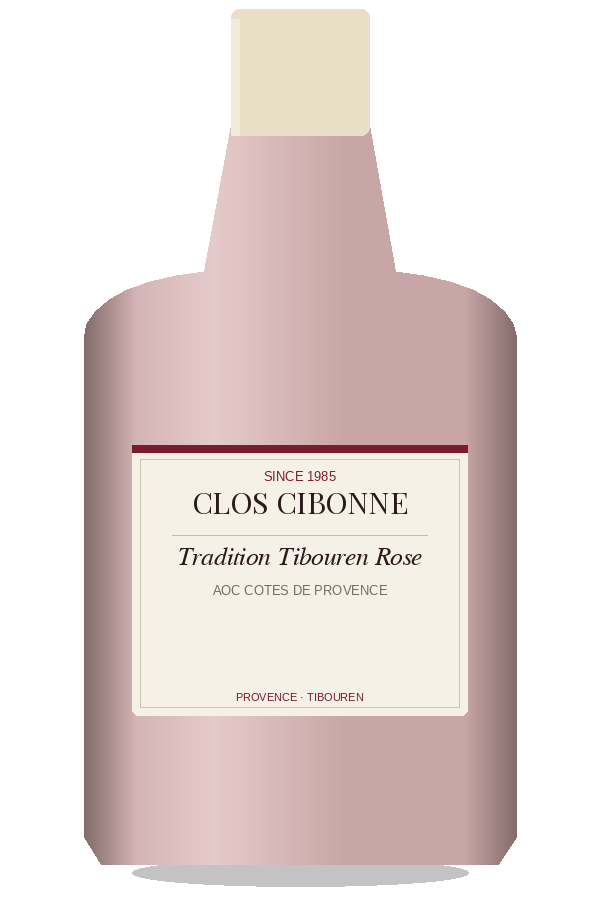 Pale salmon pink
Still Rose · AOC Cotes de Provence · Provence
The reference for serious Tibouren in Provence: aged 12 months in old foudres under a velum that allows controlled oxidation. Dried fruit, orange peel and nutty depth set this apart from any other Provencal rose.
No critic score is published for this bottle that we can cite with a reviewer, a vintage and a review year, so none is shown. The rating in the header is our own.
Aroma: dried strawberry, orange peel, wild herb, almond
Palate: red currant, blood orange, saline, nutty oxidation
The reference for serious Tibouren in Provence: aged 12 months in old foudres under a velum that allows controlled oxidation. Dried fruit, orange peel and nutty depth set this apart from any other Provencal rose.
Allow 30 minutes from open to pour.
Clos Cibonne has championed Tibouren as the native Provencal grape since the 1930s under the Roux family. The Tradition cuvee is aged 12 months in 100-hectolitre old foudres under a velum that creates a thin yeast layer, allowing controlled oxidation. The technique produces a rose unlike any other in the region.
Dried strawberry, orange peel, wild herb and almond on the nose; red currant, blood orange, saline and nutty oxidative notes on the palate. Medium-bodied with high acidity and a long savoury finish.
Drink between 2 and 8 years from vintage. Unique among Provencal rose, the foudre-aged Tradition genuinely benefits from cellaring; bottles often peak between year 3 and 5.
Yes. The estate does not use animal-derived fining agents on the Tibouren cuvees.
Bouillabaisse with rouille is the canonical pairing. Pieds et paquets marseillais, aioli garni and aged Manchego are equally strong matches.
Tibouren is a native Provencal grape grown almost exclusively in the Var. It produces aromatic, structured roses with distinctive wild-herb notes. Clos Cibonne is the producer most identified with the variety, bottling Tibouren-led roses aged under flor in old foudres.
Leave Aix-en-Provence aboard a vintage sidecar and discover the legendary Sainte-Victoire mountain, Cézanne’s muse, along with charming villages and local wine tastings.
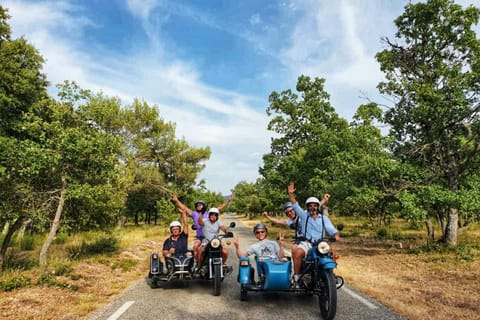
Cruise through Provence in a vintage sidecar, soak in Cézanne’s landscapes, and enjoy a chilled glass of wine at a local vineyard.
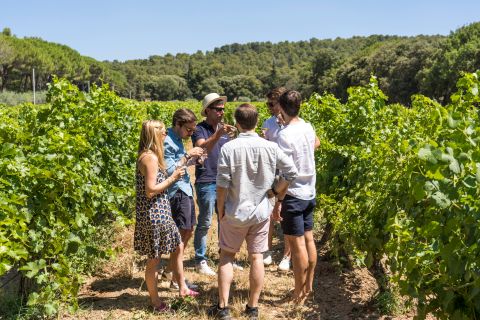
Experience the Provençal lifestyle with this tour from Aix-en-Provence. Start your day by savoring the wines of Côtes de Provence. In the afternoon, explore some of Lu...