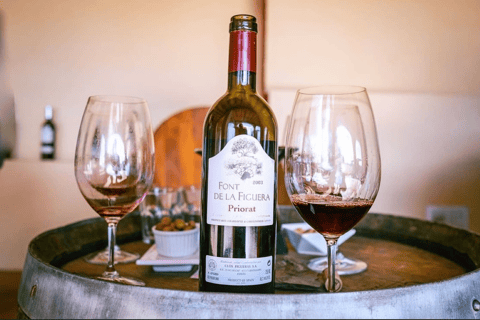
Priorat Tour to 3 Small Wineries with Pick-Up Near Your Hotel
Welcome to a unique experience in the heart of Priorat, a region with some of Spain's most outstanding red wines. Discover Priorat, the only wine region near Barcelona...
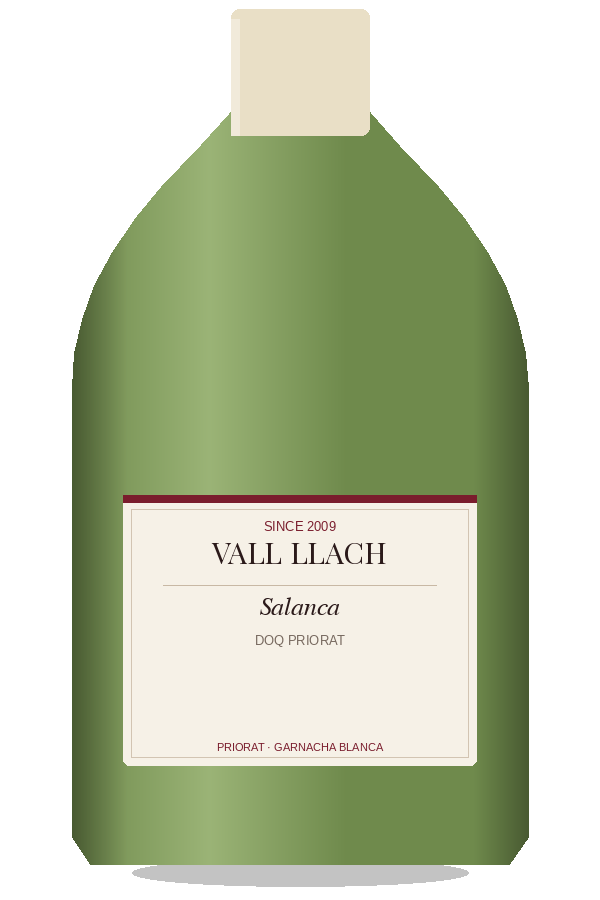 Pale gold
Still White · DOQ Priorat · Priorat
Barrel-fermented white blend of Garnacha Blanca and Macabeo from Vall Llach's Porrera vineyards.
No critic score is published for this bottle that we can cite with a reviewer, a vintage and a review year, so none is shown. The rating in the header is our own.
Allow 5 minutes from open to pour.
Salanca is the white wine from Vall Llach, added to the estate's range to reflect the potential of Priorat's indigenous white varieties. The wine is based on old-vine Garnacha Blanca and Macabeo from the estate's highest-elevation plots.
Structurally medium-bodied, low tannins, high acidity with a medium finish.
Drink 2-8 from vintage. Young vintages benefit from 30-90 minutes of decanting; mature bottles should be handled carefully for sediment.
Grilled sea bream with lemon oil is the canonical pairing; Catalan cream of vegetable soup is the other strong match. Mineral freshness and citrus in the wine complement the clean fish.
The blend is Garnacha Blanca, Macabeo. The wine is classified as DOQ Priorat.
Welcome to a unique experience in the heart of Priorat, a region with some of Spain's most outstanding red wines. Discover Priorat, the only wine region near Barcelona...

Walk among vineyards guided by a local in the unknown and unspoiled landscape of the Priorat wine region. Enjoy an easy half-day walk and savour the Priorat world-famo...
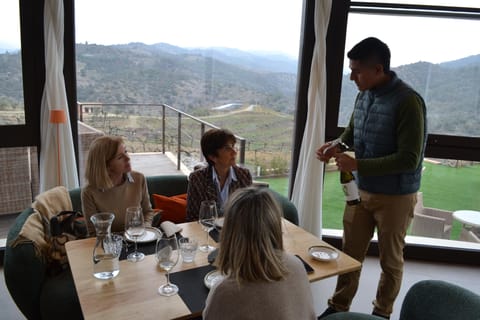
Winery tours in Priorat with tastings of organic wines produced through biodynamic and regenerative farming methods. A unique experience in Priorat. Tasting room with ...