Garnacha Tinta
Known internationally as Grenache, Garnacha Tinta is the dominant variety of DOQ Priorat, prized above all as old head-trained vines on llicorella slate.
The grapes that define Priorat: the canonical varietals and how the region expresses them.
The grapes that define Priorat: the canonical varietals and how the region expresses them.
Known internationally as Grenache, Garnacha Tinta is the dominant variety of DOQ Priorat, prized above all as old head-trained vines on llicorella slate.
Known as Carignan in French, Mazuelo in Rioja and Samsó in Catalan, Cariñena is the prestige old-vine variety of the Priorat, particularly the Cariñena heartland of Porrera.
An authorised international variety in DOQ Priorat, where it was introduced by the founders of the modern era in the 1980s as a blending component.
An authorised variety in DOQ Priorat, where it contributes dark fruit, violet aromatics, spice and mid-palate richness to blends. Syrah ripens relatively easily in the hot Priorat summers and is used by producers including Clos de l'Obac and Ferrer Bobet as a blending component. It is rarely bottled as a varietal in Priorat; its role is primarily structural and aromatic complementation to the native Garnacha.
The principal white variety of DOQ Priorat, and the foundation of the region's small but growing white wine category. Garnacha Blanca produces full-bodied, low-acid wines with ripe stone-fruit, almond and herbal character on llicorella soils. When handled with careful temperature control and early picking, it develops a vivid mineral edge. Clos de l'Obac's Kyrie and Terroir al Limit's Pedra de Guix are notable Priorat whites based on this grape.
Also known as Viura in Rioja, Macabeo is the most widely planted white grape in Catalonia and an authorised variety in DOQ Priorat. It is used primarily as a blending component in white cuvees alongside Garnacha Blanca, contributing fresh acidity and citrus aromatics. The Vinicola del Priorat cooperative uses Macabeo in its Onix Clasic Blanc, and several estates blend it into their white wines to balance Garnacha Blanca's fuller body.
An authorised white variety in DOQ Priorat, used by Terroir al Limit for its Pedra de Guix Vi de Coster cuvee in dry-vinified form. Unlike its role in Montilla-Moriles and Jerez (where it makes sweet, raisined wines), Priorat's Pedro Ximenez is harvested early and fermented dry, yielding wines of surprising freshness and mineral acidity on llicorella soils. The variety's natural high-sugar potential is tamed by Dominik Huber's early-picking approach.
An authorised blending variety in DOQ Priorat, used by some estates including Clos de l'Obac and Mas Martinet in their multi-varietal cuvees.
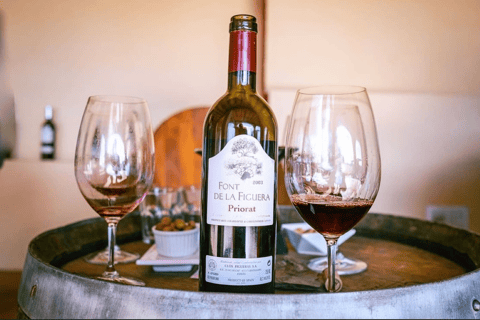
Welcome to a unique experience in the heart of Priorat, a region with some of Spain's most outstanding red wines. Discover Priorat, the only wine region near Barcelona...

Walk among vineyards guided by a local in the unknown and unspoiled landscape of the Priorat wine region. Enjoy an easy half-day walk and savour the Priorat world-famo...
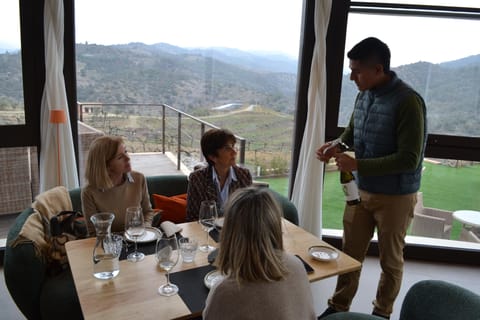
Winery tours in Priorat with tastings of organic wines produced through biodynamic and regenerative farming methods. A unique experience in Priorat. Tasting room with ...
Peak wine-travel season in Priorat is spring through autumn, with harvest the standout window.
classified-growth and grand-cru estates require booking days to weeks ahead; smaller family domaines often take walk-ins midweek.
most estates open 10:00 to 17:00 by appointment, often closed Sunday and Monday.
tipping is not expected at tastings; buying a bottle from the cellar door is the customary thank-you.
Ask the next local you meet what they would order. Priorat rewards trust.