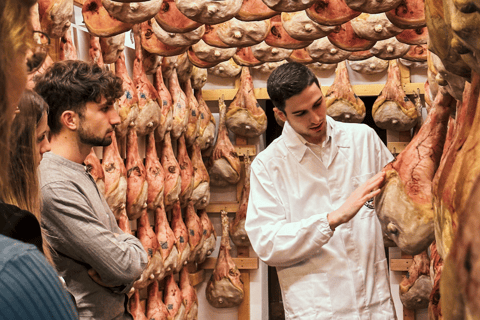
Prosciutto Ham Factory Visit & Lunch Tasting near Udine
Discover the artisanal process of crafting Prosciutto Crudo San Daniele ham with an exclusive guided factory tour followed by a tasting lunch of cured meats, cheeses, ...
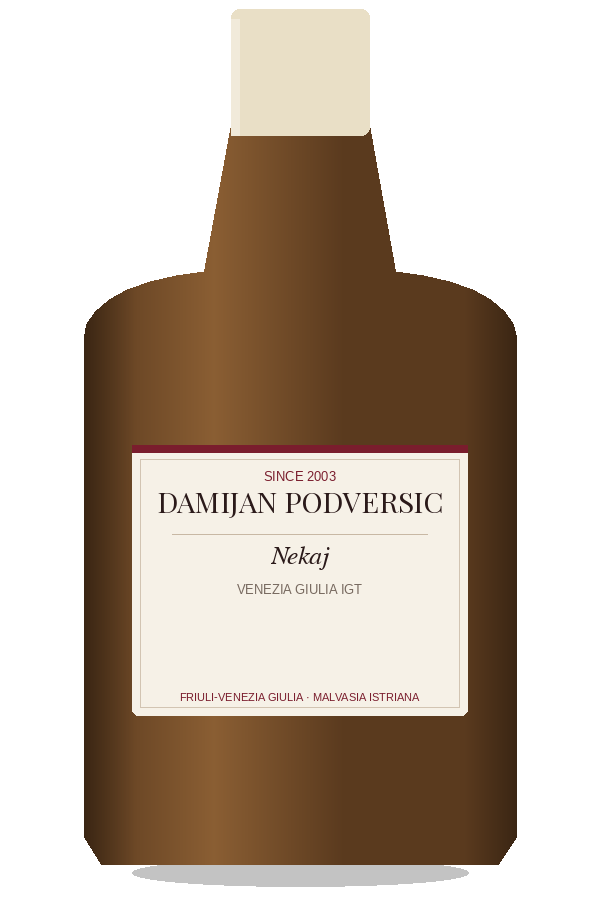 Amber
Amber
Orange · Venezia Giulia IGT · Friuli-Venezia Giulia
Single-variety Malvasia Istriana with the estate's signature two-month skin contact. Honeysuckle and white pepper aromatics over a tea-tannin saline finish.
No critic score is published for this bottle that we can cite with a reviewer, a vintage and a review year, so none is shown. The rating in the header is our own.
Aroma: candied orange peel, honeysuckle, white pepper, almond, hay
Palate: yellow stone fruit, lemon pith, tea tannin, saline finish
Single-variety Malvasia Istriana with the estate's signature two-month skin contact. Honeysuckle and white pepper aromatics over a tea-tannin saline finish.
Damijan's single-variety Malvasia Istriana, the indigenous Adriatic-coast white grape vinified the estate's extended-maceration way.
Candied orange peel, honeysuckle, white pepper, almond and hay on the nose; yellow stone fruit, lemon pith, tea tannin and a saline finish on the palate. Full-bodied with medium tannin and high acidity.
Malvasia Istriana is the indigenous white grape of the Istrian peninsula and adjoining Friulian coast. Aromatic with honeysuckle and white pepper notes; extended skin contact emphasises the wine's pithy texture and saline minerality.
Drink between 3 and 15 years from vintage. The wine reaches a long plateau from year 5; honeysuckle aromatics soften into honey with age.
Discover the artisanal process of crafting Prosciutto Crudo San Daniele ham with an exclusive guided factory tour followed by a tasting lunch of cured meats, cheeses, ...
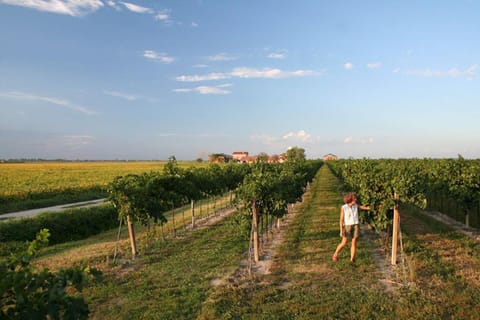
Join a special guided visit and wine tasting surrounded by the enchanting landscape beloved and described by Ernest Hemingway in “Across the river and into the trees”
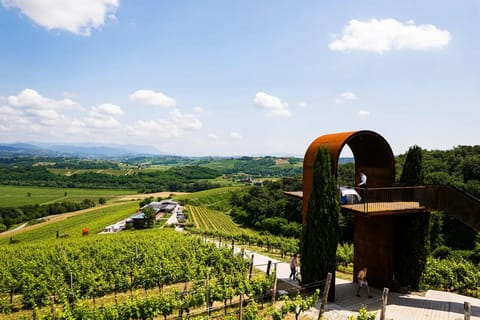
Tasting of 3 wines with a platter of cold cuts, a tour of the estate, the vineyards and Miravé. Extra: a quad bike tour through the vineyards and woods, and a tasting ...