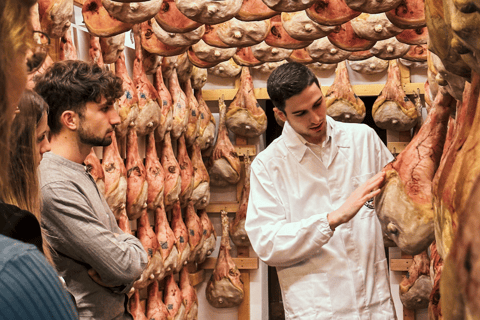
Prosciutto Ham Factory Visit & Lunch Tasting near Udine
Discover the artisanal process of crafting Prosciutto Crudo San Daniele ham with an exclusive guided factory tour followed by a tasting lunch of cured meats, cheeses, ...
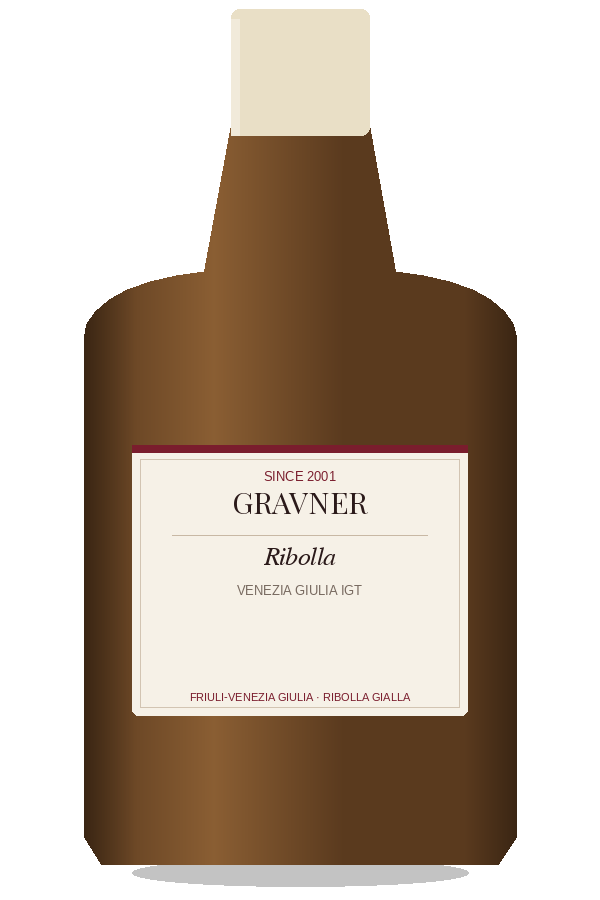 Amber
Amber
Orange · Venezia Giulia IGT · Friuli-Venezia Giulia
Josko Gravner's flagship Ribolla Gialla, fermented six to seven months on the skins in buried qvevri after his 2001 conversion to the Georgian amphora method. Dried apricot and orange peel aromatics over a tea-tannin palate and a saline pithy finish.
No critic score is published for this bottle that we can cite with a reviewer, a vintage and a review year, so none is shown. The rating in the header is our own.
Aroma: dried apricot, orange peel, walnut skin, chamomile, beeswax
Palate: candied citrus, tea tannin, hazelnut, saline pithy minerality
Josko Gravner's flagship Ribolla Gialla, fermented six to seven months on the skins in buried qvevri after his 2001 conversion to the Georgian amphora method. Dried apricot and orange peel aromatics over a tea-tannin palate and a saline pithy finish.
Josko Gravner's first amphora vintage of Ribolla was 2001, after a 1990s research journey to Georgia where he studied traditional qvevri vinification. The conversion replaced his earlier French-barrique programme with extended skin contact in buried clay amphorae, anchoring the modern Italian orange-wine movement at Oslavia.
Dried apricot, orange peel, walnut skin, chamomile and beeswax on the nose; candied citrus, tea tannin, hazelnut and a saline pithy finish on the palate. Full-bodied with medium tannin and a high acidity that survives six years of oak ageing.
Qvevri are large unglazed clay amphorae buried in the cellar floor. Gravner adopted the Georgian tradition from 2001 onwards, fermenting Ribolla on the skins for six to seven months with no added yeasts or sulphites, then ageing six years in large Slavonian botti before release.
Extended skin contact on a white grape gives the wine an amber-orange hue and the tannin structure of a red. Gravner's Ribolla is the most-cited reference bottle of the modern orange-wine category.
Drink between 3 and 25 years from vintage. The wine reaches an aromatic plateau at year 8 to 12; younger vintages benefit from a 60-minute decant to lift the tea-tannin grip.
Discover the artisanal process of crafting Prosciutto Crudo San Daniele ham with an exclusive guided factory tour followed by a tasting lunch of cured meats, cheeses, ...
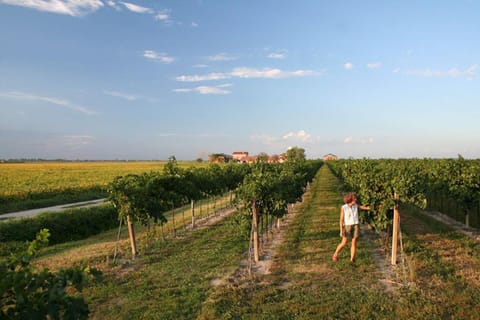
Join a special guided visit and wine tasting surrounded by the enchanting landscape beloved and described by Ernest Hemingway in “Across the river and into the trees”
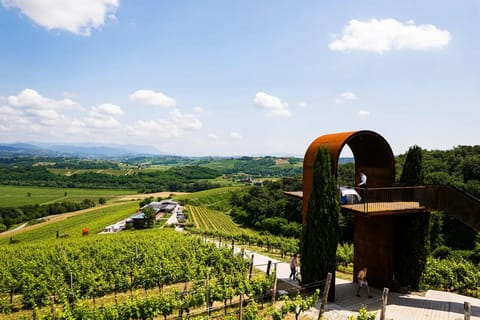
Tasting of 3 wines with a platter of cold cuts, a tour of the estate, the vineyards and Miravé. Extra: a quad bike tour through the vineyards and woods, and a tasting ...