
Bordeaux: Médoc & St-Emilion Wine 3 châteaux with lunch
Tour two mythical wine regions of Médoc and St-Emilion in Bordeaux. Taste wines at 3 wine estates and enjoy a picnic lunch in the garden of a beautiful chateau in St-Emilion.
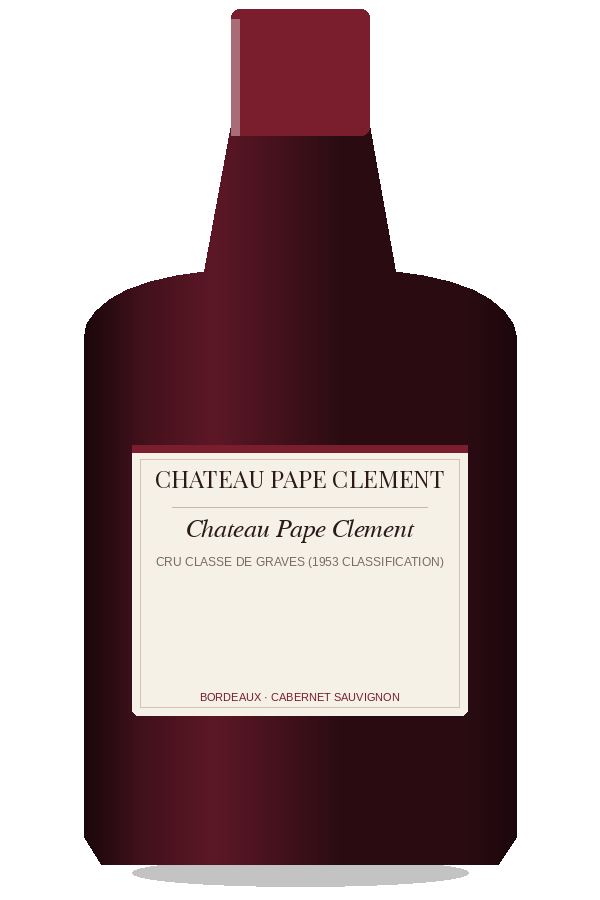 Deep garnet
Still Red · Cru Classe de Graves (1953 classification) · Bordeaux
From an estate documented since 1305 under Bertrand de Got (later Pope Clement V), one of the longest continuously documented vineyards in Bordeaux. Cabernet-and-Merlot blend delivering cassis, graphite, and tobacco with refined tannins; in great vintages approaches first-growth complexity.
| Critic | Vintage | Score |
|---|---|---|
| Vinous reviewed 2022 | 2019 | 97/100 |
| Vinous reviewed 2023 | 2020 | 98/100 |
Scores as published by each critic for the vintage shown.
Aroma: creme de cassis, graphite, lead pencil shavings, scorched earth, tobacco
Palate: black cherry, plum, dark chocolate, violets, licorice
From an estate documented since 1305 under Bertrand de Got (later Pope Clement V), one of the longest continuously documented vineyards in Bordeaux. Cabernet-and-Merlot blend delivering cassis, graphite, and tobacco with refined tannins; in great vintages approaches first-growth complexity.
Allow 95 minutes from open to pour.
The oldest wine property in Bordeaux, Pape Clement takes its name from Bertrand de Got, Archbishop of Bordeaux who became Pope Clement V in 1305 and who planted vines at the Pessac estate. The property passed through various clerical and secular hands before arriving with Bernard Magrez in 1985, who dramatically elevated quality through investment in viticulture and winemaking.
On the nose, creme de cassis, graphite, lead pencil shavings, scorched earth, tobacco. On the palate, black cherry, plum, dark chocolate, violets, licorice. Structurally full-bodied, firm tannins, medium acidity with a very long finish. From the oldest wine estate in Bordeaux, tracing its history to the 14th-century papacy. Cabernet-and-Merlot blend delivering cassis, graphite, and tobacco with flawless tannins; in great vintages approaches first-growth complexity.
Drink 8-25 from vintage. Young vintages benefit from 30-90 minutes of decanting; mature bottles should be handled carefully for sediment.
Rack of lamb with Bordeaux reduction is the canonical pairing. Other strong matches include Beef tenderloin with truffle sauce and Wild boar stew. A classic Pessac-Leognan pairing; the cassis and scorched-earth character mirror the reduction while tannins harmonise with lamb.
The blend is Cabernet Sauvignon (50%), Merlot (45%), Petit Verdot (3%), Cabernet Franc (2%). The wine is classified as Cru Classe de Graves (1953 classification).
Tour two mythical wine regions of Médoc and St-Emilion in Bordeaux. Taste wines at 3 wine estates and enjoy a picnic lunch in the garden of a beautiful chateau in St-Emilion.

Discover the magnificent village of Saint-Emilion on a customized wine tour from Bordeaux. Enjoy an expert tasting in a grand cru château. Stop for photos to capture t...

Explore Bordeaux’s Left Bank on a private tour of the Médoc. Visit iconic wine estates, admire grand architecture, and enjoy sweeping vineyard views.