
Bordeaux: Médoc & St-Emilion Wine 3 châteaux with lunch
Tour two mythical wine regions of Médoc and St-Emilion in Bordeaux. Taste wines at 3 wine estates and enjoy a picnic lunch in the garden of a beautiful chateau in St-Emilion.
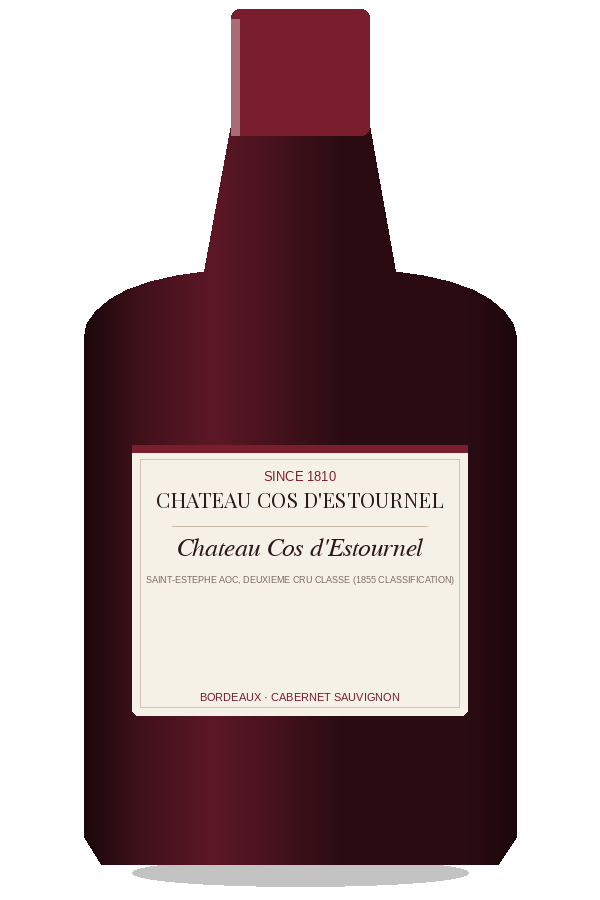 Deep garnet
Still Red · Saint-Estephe AOC, Deuxieme Cru Classe (1855 classification) · Bordeaux
Saint-Estephe Deuxieme Cru Classe (1855) with an oriental spice and incense aromatic signature seldom found in Pauillac wines. Merlot-rich for Saint-Estephe, delivering suppleness alongside the appellation's characteristic mineral-tannic power.
| Critic | Vintage | Score |
|---|---|---|
| Wine Advocate reviewed 2019 | 2016 | 100/100 |
| Wine Advocate reviewed 2006 | 2003 | 100/100 |
| James Suckling reviewed 2019 | 2016 | 100/100 |
Scores as published by each critic for the vintage shown.
Aroma: lilac, rose hip, crushed stones, camphor, incense, wild blueberries
Palate: crème de cassis, kirsch, mocha, wood smoke, espresso, dark plum
Saint-Estephe Deuxieme Cru Classe (1855) with an oriental spice and incense aromatic signature seldom found in Pauillac wines. Merlot-rich for Saint-Estephe, delivering suppleness alongside the appellation's characteristic mineral-tannic power.
Allow 95 minutes from open to pour.
Founded by Louis-Gaspard d'Estournel in 1810, the estate is named for the hill (Cos or Caux in Gascon) on which it sits. D'Estournel built the famous pagoda-adorned chai inspired by his travels to India and China, where he had exported wine. The estate passed through various owners before Michel Reybier acquired it in 2000. Fully organic since 2024.
On the nose, lilac, rose hip, crushed stones, camphor, incense. On the palate, crème de cassis, kirsch, mocha, wood smoke, espresso. Structurally full-bodied, firm tannins, high acidity with a epic length with spice, incense, and mineral tension finish. The most distinctive of the Saint-Estephe grands crus classés, with an distinctive oriental spice and incense aromatic signature absent in Pauillac wines. Merlot-rich for Saint-Estephe, delivering seductive suppleness alongside the appellation's characteristic mineral-tannic power.
Drink 10-40 from vintage. Young vintages benefit from 30-90 minutes of decanting; mature bottles should be handled carefully for sediment.
Braised beef cheek with star anise and cinnamon is the canonical pairing. Other strong matches include Roast leg of lamb with preserved lemon and Pigeon breast with foie gras and truffle. The wine's incense and spice aromatics mirror the Oriental spices in the braise; long-cooked collagen richness matches the wine's body.
The blend is Cabernet Sauvignon (56%), Merlot (40%), Cabernet Franc (4%). The wine is classified as Saint-Estephe AOC, Deuxieme Cru Classe (1855 classification).
Tour two mythical wine regions of Médoc and St-Emilion in Bordeaux. Taste wines at 3 wine estates and enjoy a picnic lunch in the garden of a beautiful chateau in St-Emilion.

Discover the magnificent village of Saint-Emilion on a customized wine tour from Bordeaux. Enjoy an expert tasting in a grand cru château. Stop for photos to capture t...

Explore Bordeaux’s Left Bank on a private tour of the Médoc. Visit iconic wine estates, admire grand architecture, and enjoy sweeping vineyard views.