
Palermo Rooftop Cooking Class with Full Meal, Wine & Stories
Experience an authentic Sicilian cooking class in Palermo set on a panoramic 7th-floor terrace overlooking the city, and join a local chef for a hands-on culinary jour...
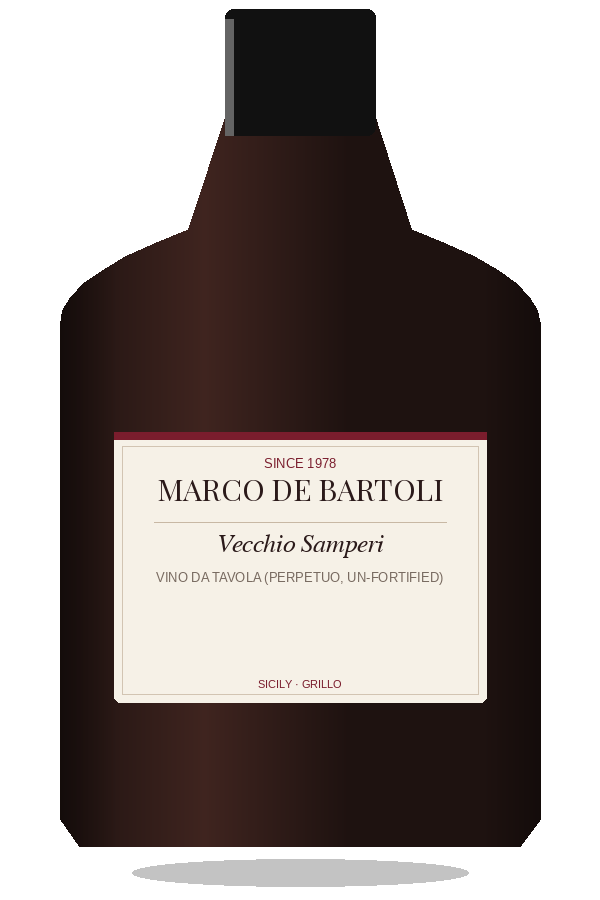 Tawny amber
Fortified Marsala · Vino da Tavola (perpetuo, un-fortified) · Sicily
Vecchio Samperi is Marco De Bartoli's life work: un-fortified perpetuo Grillo aged in a 5-tier solera at Samperi, achieving Marsala-like depth and complexity entirely through natural oxidation, with no fortification spirits added. Sold as IGT Sicilia rather than Marsala because no spirit is added.
No critic score is published for this bottle that we can cite with a reviewer, a vintage and a review year, so none is shown. The rating in the header is our own.
Aroma: extreme walnut rancio, dried apricot, beeswax, coffee
Palate: concentrated dried fruit, hazelnut oil, bitter orange, sea salt
Vecchio Samperi is Marco De Bartoli's life work: un-fortified perpetuo Grillo aged in a 5-tier solera at Samperi, achieving Marsala-like depth and complexity entirely through natural oxidation, with no fortification spirits added. Sold as IGT Sicilia rather than Marsala because no spirit is added.
Allow 5 minutes from open to pour.
Marco De Bartoli founded his estate at Samperi in 1978 with a singular mission: to revive the authentic, un-fortified perpetuo style of Marsala that the fortification regulations of 1969 had effectively suppressed. Unable to label the wine as Marsala DOC (because it contains no grape spirits), De Bartoli classified Vecchio Samperi as Vino da Tavola - yet it became more celebrated and more expensive than any Marsala DOC wine. The 20-year and 30-year versions represent different solera withdrawals.
On the nose, extreme walnut rancio, dried apricot, beeswax, coffee. On the palate, concentrated dried fruit, hazelnut oil, bitter orange, sea salt. Structurally full-bodied, low tannins, medium acidity with a extraordinary length, rancio, saline finish. Vecchio Samperi is Marco De Bartoli's life work and Sicily's most important wine: un-fortified perpetuo Grillo aged in a 5-tier solera at Samperi, achieving Marsala-like depth and complexity entirely through natural oxidation - no fortification spirits added. Among the world's most distinctive and debated fortified-style wines.
Drink 10-50+ from bottling. Young vintages benefit from 30-90 minutes of decanting; mature bottles should be handled carefully for sediment.
Served solo, gently chilled, as meditation wine is the canonical pairing. Other strong matches include Aged Parmigiano Reggiano 36+ months and Sicilian pantesca salad (Pantelleria) with tuna and capers. The extraordinary complexity of Vecchio Samperi rewards pure contemplative solo drinking.
The blend is Grillo. The wine is classified as Vino da Tavola (perpetuo, un-fortified).
Experience an authentic Sicilian cooking class in Palermo set on a panoramic 7th-floor terrace overlooking the city, and join a local chef for a hands-on culinary jour...

Discover Palermo at night on a walking tour with street food, Sicilian wine, and live storytelling inspired by local legends, folklore, mystery, and unusual Sicilian tales.
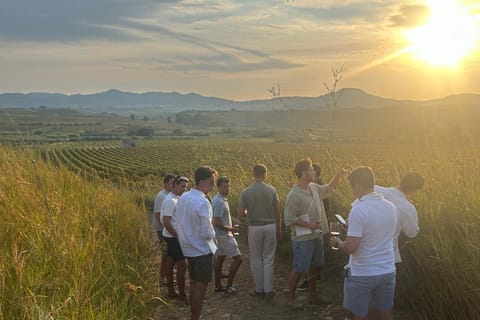
In this experience, you can immerse yourself in the tranquil atmosphere of Tenute Baglio Passofondo, an oasis of peace just a few kilometers from Trapani and Palermo.