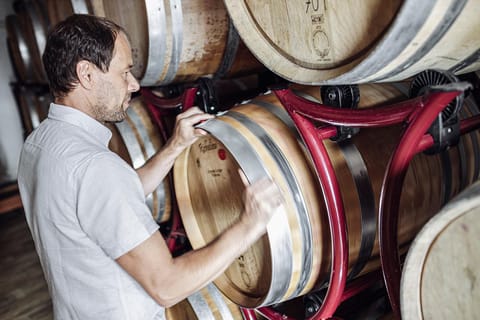
Bolzano: Loacker Wine Experience with Tasting
Discover the world of Loacker wines on a guided tour in Bolzano. Explore the vineyards, visit the barrel cellar, and enjoy a tasting of 6 wines at the panoramic SKYWIN...
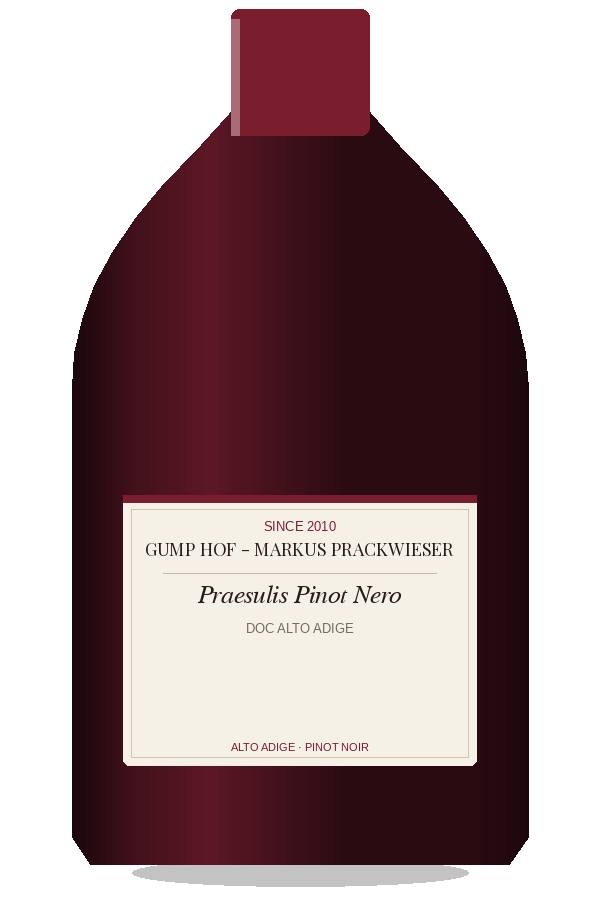 Ruby, medium depth
Still Red · DOC Alto Adige · Alto Adige
Praesulis Pinot Nero from steep Eisacktal slopes at 400-800 m: finesse-rich red-fruit aromatics with alpine herb spice shaped by Dolomite fallwinds, structured fresh palate from barrique ageing in the rock-carved cellar.
No critic score is published for this bottle that we can cite with a reviewer, a vintage and a review year, so none is shown. The rating in the header is our own.
Aroma: finesse-rich red fruit, alpine herb spice
Palate: structured, fresh, elegant
Praesulis Pinot Nero from steep Eisacktal slopes at 400-800 m: finesse-rich red-fruit aromatics with alpine herb spice shaped by Dolomite fallwinds, structured fresh palate from barrique ageing in the rock-carved cellar.
Praesulis Pinot Nero is described by the producer as a recent addition to the wine family, drawn from steep south-west-facing Eisacktal slopes with Dolomite fallwind influence.
Finesse-rich red-fruit aromatics with alpine herb spice shaped by Dolomite fallwinds. Structured fresh palate from barrique ageing in the rock-carved cellar.
Drink between 5 and 12 years from vintage. The cuvee is part of the cellar's premium tier and supports medium-term cellaring.
From steep south-west-facing Eisacktal slopes at 400-800 m elevation, where Dolomite fallwinds influence the variety's spice register.
Gump Hof's cellar is carved into the native bedrock - the estate's signature cellar architecture that provides stable temperatures for the barrique ageing programme.
Discover the world of Loacker wines on a guided tour in Bolzano. Explore the vineyards, visit the barrel cellar, and enjoy a tasting of 6 wines at the panoramic SKYWIN...

Visit Verona and the Valpolicella wine region on a full-day tour. Enjoy a guided walking tour of Verona, taste Amarone and Valpolicella wines at a family-run winery, a...
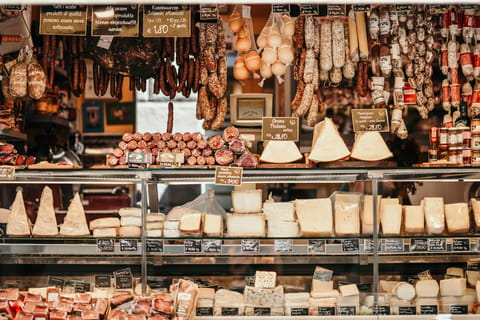
Discover the unique culinary tradition of Bolzano on a street food tour with a local guide. Visit food stalls and sample street food as you stroll through the historic...