Bolzano: Loacker Wine Experience with Tasting
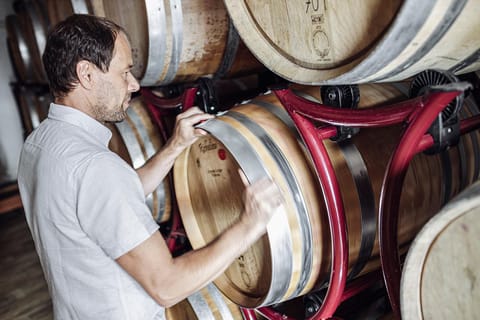
Discover the world of Loacker wines on a guided tour in Bolzano. Explore the vineyards, visit the barrel cellar, and enjoy a tasting of 6 wines at the panoramic SKYWIN...
 Deep garnet
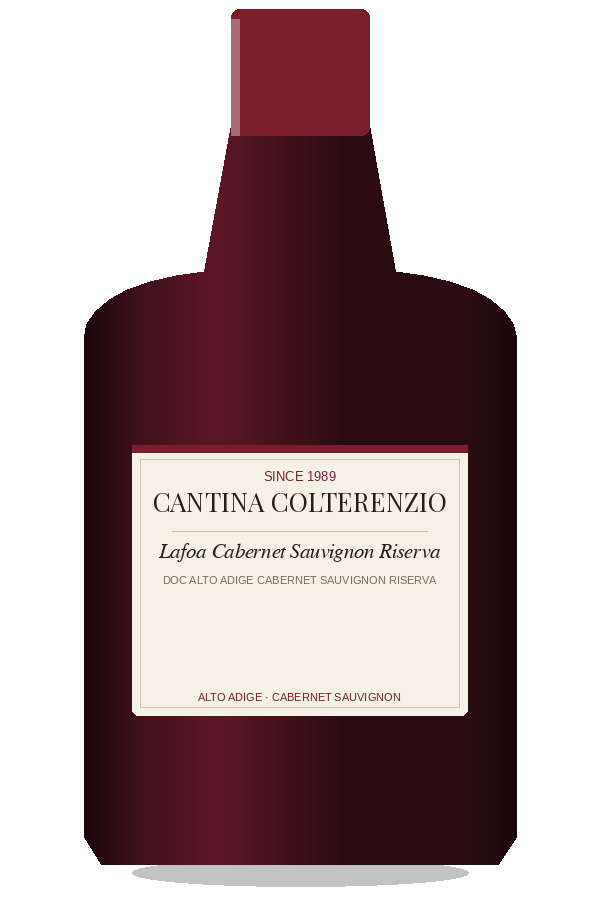
Still Red · DOC Alto Adige Cabernet Sauvignon Riserva · Alto Adige
Colterenzio's Lafoa Cabernet Sauvignon Riserva from the sunny Lafoa hillside vineyard at 430 metres behind the winery; the parcel was developed by replanting Vernatsch to Cabernet Sauvignon to produce a ripe Alto Adige Cabernet.
No critic score is published for this bottle that we can cite with a reviewer, a vintage and a review year, so none is shown. The rating in the header is our own.
Aroma: black currant, cherry, tobacco, graphite
Palate: dark fruit, firm tannin, fresh acidity, long elegant finish
Colterenzio's Lafoa Cabernet Sauvignon Riserva from the sunny Lafoa hillside vineyard at 430 metres behind the winery; the parcel was developed by replanting Vernatsch to Cabernet Sauvignon to produce a ripe Alto Adige Cabernet.
Colterenzio's Lafoa Cabernet emerged when the cellar developed the sunny hillside vineyard behind the winery, replacing Vernatsch vines with Cabernet Sauvignon. The first release was in 1989 (some sources cite 1993 for the current named cuvee); the wine became one of the regional reference points for Alto Adige Cabernet.
Black currant, cherry, tobacco and graphite on the nose; dark fruit, firm tannin, fresh acidity and a long elegant finish on the palate. Full-bodied, dry, with firm tannins and high acidity.
Drink between 6 and 22 years from vintage. Young vintages benefit from 60-90 minutes of decanting; cellared bottles develop tobacco, cedar and dried-herb complexity.
A sunny mountain slope behind the Colterenzio cellar at 430 metres altitude. Sandy soils with gravelly morainal deposits; the vineyard was developed by replacing Vernatsch vines with Cabernet Sauvignon.
Lafoa was an early Alto Adige red to demonstrate that the region could ripen Cabernet seriously, opening the path for regional Cabernet production.
Discover the world of Loacker wines on a guided tour in Bolzano. Explore the vineyards, visit the barrel cellar, and enjoy a tasting of 6 wines at the panoramic SKYWIN...

Visit Verona and the Valpolicella wine region on a full-day tour. Enjoy a guided walking tour of Verona, taste Amarone and Valpolicella wines at a family-run winery, a...
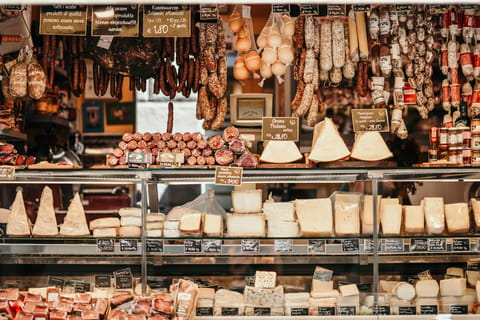
Discover the unique culinary tradition of Bolzano on a street food tour with a local guide. Visit food stalls and sample street food as you stroll through the historic...