
Bordeaux: Médoc & St-Emilion Wine 3 châteaux with lunch
Tour two mythical wine regions of Médoc and St-Emilion in Bordeaux. Taste wines at 3 wine estates and enjoy a picnic lunch in the garden of a beautiful chateau in St-Emilion.
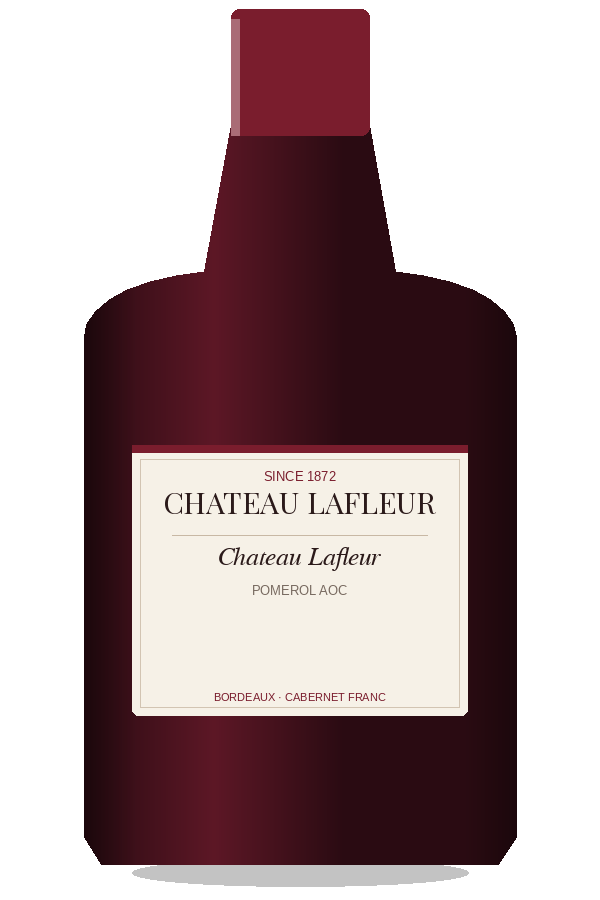 Deep garnet
Still Red · Pomerol AOC · Bordeaux
Unique Pomerol with an equal Cabernet Franc-Merlot split giving a perfumed floral lift and structural precision rarely seen in the appellation. Biodynamic farming since 2014; produced from just 4.5 hectares on the Pomerol plateau.
| Critic | Vintage | Score |
|---|---|---|
| Wine Advocate reviewed 2014 | 1947 | 100/100 |
| Wine Advocate reviewed 2018 | 2015 | 99/100 |
| Wine Advocate reviewed 2025 | 2022 | 99/100 |
Scores as published by each critic for the vintage shown.
Aroma: mulberry, cherry, rose petal, iris, orange zest, vine smoke, black truffle
Palate: pure blue and black fruits, supple tannins, vivid acidity, profound depth, long resonant finish
Unique Pomerol with an equal Cabernet Franc-Merlot split giving a perfumed floral lift and structural precision rarely seen in the appellation. Biodynamic farming since 2014; produced from just 4.5 hectares on the Pomerol plateau.
Allow 95 minutes from open to pour.
Lafleur dates to 1872 and passed through several owners before the Guinaudeau family took charge. Baptiste and Julie Guinaudeau manage the tiny 4.5-hectare estate with a precision that has earned it comparisons to Petrus. Biodynamic farming was introduced in 2014, aligning with the family's philosophy of minimal intervention. The 25% new oak regime is deliberately conservative for a wine of this quality level.
On the nose, mulberry, cherry, rose petal, iris, orange zest. On the palate, pure blue and black fruits, supple tannins, vivid acidity, profound depth, long resonant finish. Structurally full-bodied, firm tannins, high acidity with a very long finish. Unique Pomerol with an equal Cabernet Franc-Merlot split giving a perfumed floral lift and structural precision rarely seen in the appellation. Biodynamic farming since 2014; produced from just 4.5 hectares on the Pomerol plateau.
Drink 10-40 from vintage. Young vintages benefit from 30-90 minutes of decanting; mature bottles should be handled carefully for sediment.
Roasted rack of venison with wild berry reduction is the canonical pairing. Other strong matches include Truffle-studded roast beef fillet and Aged sheep's-milk cheese (Ossau-Iraty). The wine's high Cabernet Franc percentage gives a tension and berry brightness that lifts the gamey meat.
The blend is Cabernet Franc (50%), Merlot (50%). The wine is classified as Pomerol AOC.
Tour two mythical wine regions of Médoc and St-Emilion in Bordeaux. Taste wines at 3 wine estates and enjoy a picnic lunch in the garden of a beautiful chateau in St-Emilion.

Discover the magnificent village of Saint-Emilion on a customized wine tour from Bordeaux. Enjoy an expert tasting in a grand cru château. Stop for photos to capture t...

Explore Bordeaux’s Left Bank on a private tour of the Médoc. Visit iconic wine estates, admire grand architecture, and enjoy sweeping vineyard views.