
Jerez City Guided Tour and Winery Visit
Upgrade your experience by combining a historic center city tour with a visit to one of the most famous wineries in Jerez. Taste three excellent wines at the winery.
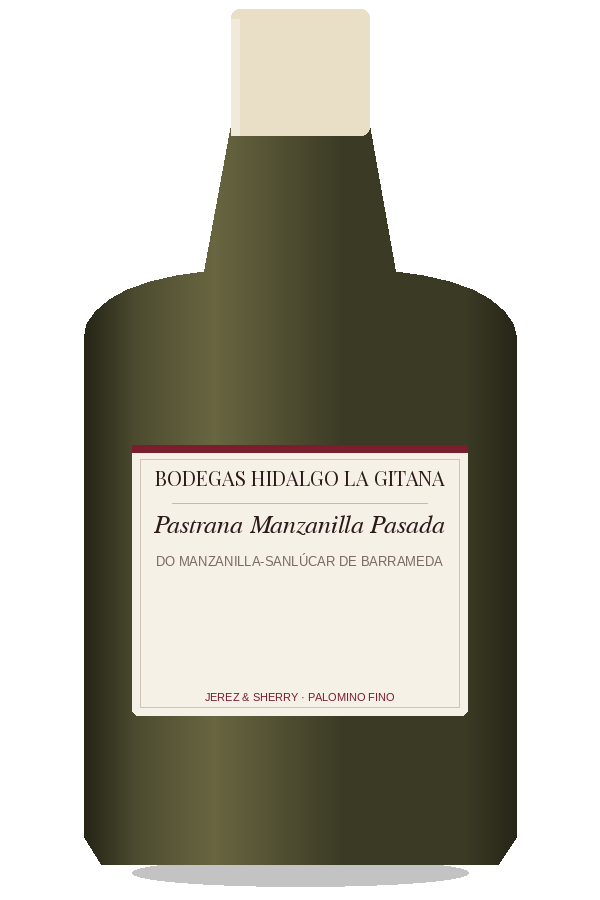 Pale straw
Fortified Sherry · DO Manzanilla-Sanlúcar de Barrameda · Jerez & Sherry
Single-vineyard Manzanilla Pasada from the Pago Miraflores: extended biological ageing produces a wine midway between fresh Manzanilla and Amontillado, with uncommon depth and saline persistence.
No critic score is published for this bottle that we can cite with a reviewer, a vintage and a review year, so none is shown. The rating in the header is our own.
Aroma: toasted almonds, chamomile, sea salt, dried herbs, light oxidative notes
Palate: walnut, lemon oil, saline, dried apple, subtle rancio
Single-vineyard Manzanilla Pasada from the Pago Miraflores: extended biological ageing produces a wine midway between fresh Manzanilla and Amontillado, with uncommon depth and saline persistence.
Allow 5 minutes from open to pour.
Pastrana is one of the few single-vineyard Manzanilla Pasadas bottled under a dedicated label. The Pago Miraflores vineyard sits on high-chalky albariza soil above Sanlúcar, exposed to Atlantic breezes that maintain unusually consistent flor. The wine is aged longer than a standard Manzanilla until the flor partially recedes, developing the characteristic intermediate Pasada profile.
On the nose, toasted almonds, chamomile, sea salt, dried herbs, light oxidative notes. On the palate, walnut, lemon oil, saline, dried apple, subtle rancio. Structurally medium-bodied, low tannins, high acidity with a long, saline and nutty finish. Single-vineyard Manzanilla Pasada from the Pago Miraflores: extended biological ageing produces a wine midway between fresh Manzanilla and Amontillado, with uncommon depth and saline persistence.
Drink 3-20 from bottling. Young vintages benefit from 30-90 minutes of decanting; mature bottles should be handled carefully for sediment.
Grilled red mullet is the canonical pairing. Other strong matches include Salted almonds and aged Manchego and Cured anchovies. The wine's saline complexity and slight oxidative depth stand up to the intense, aromatic fish.
The blend is Palomino Fino. The wine is classified as DO Manzanilla-Sanlúcar de Barrameda.
Upgrade your experience by combining a historic center city tour with a visit to one of the most famous wineries in Jerez. Taste three excellent wines at the winery.
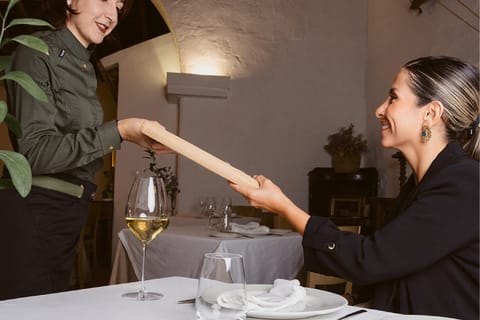
PAIRING MENU TO SAVOR THE BEST PRODUCTS OF THE LAND AND OUR EXCLUSIVE SHERRY WINES
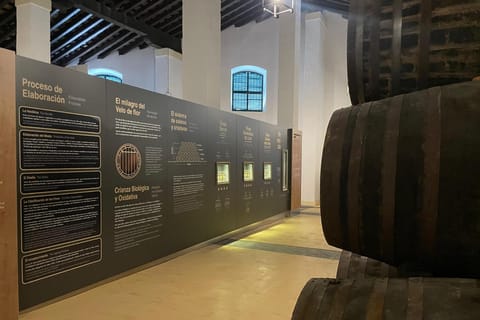
A guided tour of an 1850's winery, the tour includes an audio-visual, history of sherry wine and winemaking. Also wine tasting an exhibition with historical labels