Palomino Fino
The dominant grape of the Sherry Triangle, accounting for approximately 95 percent of total plantings in DO Jerez-Xérès-Sherry and virtually all production in DO Manzanilla-Sanlúcar de Barrameda.
The grapes that define Jerez & Sherry: the canonical varietals and how the region expresses them.
The grapes that define Jerez & Sherry: the canonical varietals and how the region expresses them.
The dominant grape of the Sherry Triangle, accounting for approximately 95 percent of total plantings in DO Jerez-Xérès-Sherry and virtually all production in DO Manzanilla-Sanlúcar de Barrameda.
The principal sweet grape of southern Spain and the source of densely concentrated, raisin-rich Pedro Ximénez sherries. PX grapes are sun-dried on esparto mats in the open air (asoleo) after harvest in late September, concentrating sugars to levels that result in wines of high viscosity and sweetness after partial fermentation and fortification. In the Jerez DO, Pedro Ximénez accounts for a small fraction of vineyard plantings but a disproportionate share of wine identity: a single tablespoon of old PX poured over vanilla ice cream is a traditional Andalusian dessert pairing. VORS PX aged 30-plus years in soleras develops chocolate, coffee, dried fig, date and molasses complexity. González Byass Noé, Lustau San Emilio and Tradición VORS Pedro Ximénez are produced at the VORS tier. PX is also used in small quantities to sweeten Pale Cream and Cream blended sherries. The grape name derives historically from a 16th-century figure, though multiple origin legends exist.
The sweet Moscatel variety of the Sherry Triangle, concentrated primarily around the coastal town of Chipiona where sandy soils (arenas) produce intensely aromatic, amber-coloured wines after sun-drying or late-harvesting. Moscatel de Alejandría (also called Muscat of Alexandria) is a different grape from Moscatel de Grano Menudo (Muscat Blanc à Petits Grains) and produces broader, marmalade-and-orange-blossom styles. Under the DO Jerez regulations, Moscatel Sherry is produced from 100 percent Moscatel de Alejandría grapes, sun-dried and fermented to near-dryness before fortification stops residual sugar at high levels. César Florido in Chipiona is the most specialised producer. Moscatel is also used in tiny quantities to sweeten Cream blended sherries. The variety is known as Morisco in some historical Jerez literature.
A lower-quality sibling variety to Palomino Fino, sometimes still present in older Jerez vineyards as a legacy planting. Also historically called Listán de Jerez or Tempranillo Basto.
One of the historical indigenous varieties of the Jerez zone, cultivated prior to the phylloxera crisis of the late 19th century and still occasionally encountered in un-grafted old-vine plantings in chalky albariza soils. Mantúo Castellano produces wines with naturally high acidity and moderate alcohol, historically used as an acidifying blending component in sherry production. Not currently permitted as a primary variety under DO Jerez regulations. Recorded in viticultural surveys of Jerez dating to the 17th and 18th centuries alongside Vigiriega and Vejeriego.
Albariza is not a grape variety but the principal terroir factor of the premium Jerez zone. A chalky-white Eocene marl composed of 40 to 80 percent calcium carbonate, the soil forms a crust in summer that minimises evaporation and retains the 600 to 700 mm of annual winter rainfall in a dense sponge several metres deep. Palomino Fino grown on albariza develops restrained fruit, high natural acidity and the neutral base wine character essential for biological ageing under flor. Lower-tier soils within the DO are: barros (dark clay, produces fuller-bodied wines used in Cream and sweet styles) and arenas (sandy soils, found near the coast, producing Moscatel and lighter Palomino). The albariza sub-types include albero (particularly white and chalky) and tosca (harder, more compact). The Consejo Regulador notes that albariza soils cover the premium pagos of Macharnudo, Carrascal, Balbaina, Añina and Miraflores.
A rare red grape indigenous to the coastal towns near Cádiz, historically produced in the fishing village of Rota and now undergoing a small revival.
One of the indigenous historical white varieties of the Jerez zone documented in pre-phylloxera Andalusian viticultural records. Vigiriega was historically cultivated alongside Mantúo Castellano and Vejeriego for use as acidifying components in the base wine blend before the dominance of Palomino Fino was formalised by the DO regulations. Essentially extinct in commercial production today but mentioned in 18th-century Jerez viticultural surveys. Included here for historical context regarding the pre-phylloxera grape diversity of the Sherry Triangle.

Upgrade your experience by combining a historic center city tour with a visit to one of the most famous wineries in Jerez. Taste three excellent wines at the winery.

PAIRING MENU TO SAVOR THE BEST PRODUCTS OF THE LAND AND OUR EXCLUSIVE SHERRY WINES
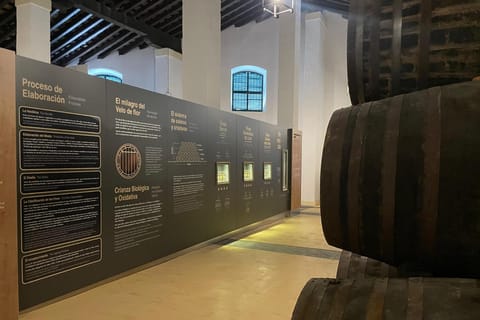
A guided tour of an 1850's winery, the tour includes an audio-visual, history of sherry wine and winemaking. Also wine tasting an exhibition with historical labels
Peak wine-travel season in Jerez & Sherry is spring through autumn, with harvest the standout window.
classified-growth and grand-cru estates require booking days to weeks ahead; smaller family domaines often take walk-ins midweek.
most estates open 10:00 to 17:00 by appointment, often closed Sunday and Monday.
tipping is not expected at tastings; buying a bottle from the cellar door is the customary thank-you.
Ask the next local you meet what they would order. Jerez & Sherry rewards trust.